
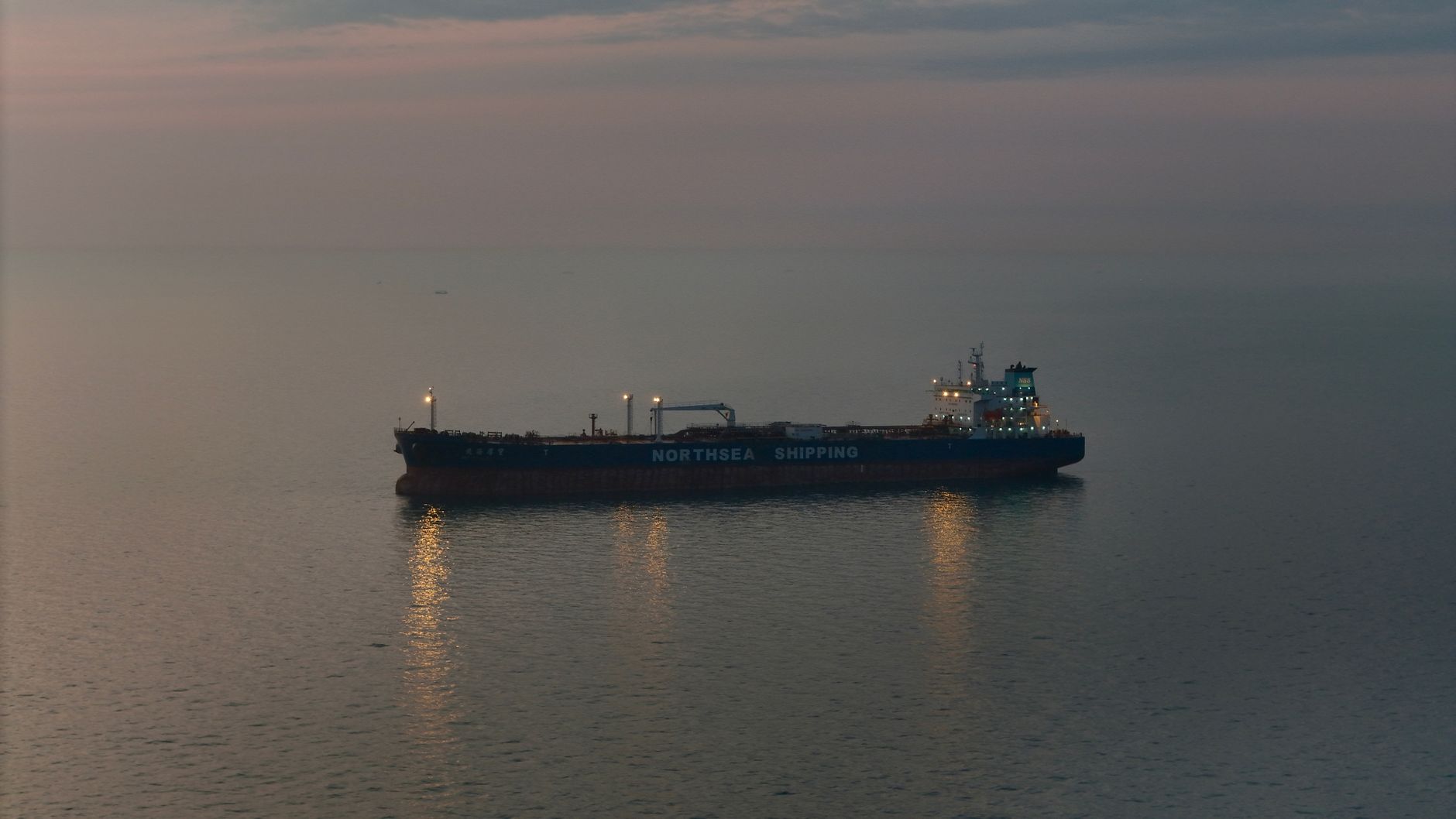
In a decisive move to enforce maritime security, the UK’s Royal Marines intercepted and seized a Russian “shadow fleet” tanker in the English Channel earlier this week. This first-of-its-kind operation targeted a vessel suspected of violating international sanctions and operating without valid environmental insurance. The intervention took place in international waters near the Dover Strait, a critical global shipping lane. By removing this high-risk vessel, the UK government aims to prevent potential oil spills and disrupt the financing of foreign conflicts. This article explores the tactical shift in maritime enforcement and what it means for global energy logistics.
- Royal Marines executed the first physical seizure of a shadow fleet vessel in the English Channel.
- The operation caused multiple other non-compliant tankers to immediately alter their routes.
- New enforcement protocols prioritize environmental safety and sanctions compliance in 2026.
What is the Russian shadow fleet and why is it a threat?
The term “shadow fleet” refers to a network of aging tankers with opaque ownership structures. These vessels often operate without Western-standard insurance or transparent maintenance records. Since 2022, this fleet has grown to bypass price caps on crude oil exports. Many of these ships are over 20 years old and pose significant ecological risks. A major spill in the English Channel would devastate Canadian and European trade routes alike.
Maritime experts have long warned about the dangers of these “ghost ships” navigating crowded waters. They frequently turn off their Automatic Identification Systems (AIS) to avoid detection. This “going dark” strategy increases the risk of collisions in high-traffic zones. The UK’s recent action signals that technical anonymity will no longer protect these vessels from physical intervention.
How did the Royal Marines execute this first-of-its-kind operation?
The operation involved elite Royal Marine units descending from Wildcat helicopters onto the deck of the moving tanker. This high-stakes boarding occurred during the early morning hours to ensure maximum surprise. Support vessels from the Royal Navy provided a security perimeter to prevent interference. Intelligence suggests the tanker was carrying hundreds of thousands of barrels of crude oil without a verified indemnity provider.
Following the boarding, the vessel was diverted to a secure UK port for a full technical inspection. Authorities are currently reviewing the ship’s manifest and crew documentation. This proactive approach marks a departure from previous strategies that relied solely on financial sanctions. Physical seizure creates a tangible deterrent for ship owners operating outside of international norms.
“This operation demonstrates that the UK will not tolerate vessels that endanger our waters or flout international law,” stated a senior maritime security official.
What are the immediate impacts on maritime traffic?
The ripple effects of the seizure were felt across the shipping industry within hours. Real-time satellite tracking showed at least four other suspicious tankers turning away from the English Channel. These vessels appear to be seeking longer, more expensive routes to avoid similar enforcement actions. This shift increases operational costs for the shadow fleet significantly.
Insurance premiums for high-risk vessels are expected to climb as a direct result of this intervention. Port authorities across Europe are now coordinating more closely to share data on suspect hull IDs. The UK is working in tandem with partners to uphold the MARPOL convention standards for preventing marine pollution. This cooperation ensures that environmental protection remains a top priority for all sovereign coastal states.
How does this enforcement change global energy security?
The seizure represents a tightening of the net around illicit energy exports. By targeting the transport mechanism rather than just the financial transactions, the UK hits the supply chain directly. This creates a bottleneck for sanctioned oil attempting to reach global markets. Analysts suggest this could lead to a temporary volatility in regional oil prices.
However, the long-term benefit is a safer and more transparent maritime environment. Legitimate shipping companies welcome the move as it levels the playing field. They no longer have to compete with operators who cut corners on safety and insurance. The precedent set this week likely encourages other nations to adopt similar boarding protocols.
Governments are now investing more in aerial surveillance and satellite monitoring to track non-compliant ships. AI-driven software helps identify patterns of suspicious behaviour before vessels enter sensitive straits. These technological advancements make it harder for the shadow fleet to hide in plain sight. Future maritime security will rely on this blend of high-tech tracking and rapid physical response.
As the UK continues its investigation, the global shipping community remains on high alert. This event proves that the era of looking the other way regarding shadow fleet operations is ending. Ship owners must now ensure full compliance with international safety and insurance regulations to avoid seizure. Maintaining the integrity of global trade routes requires constant vigilance and a willingness to take bold action when necessary.


