
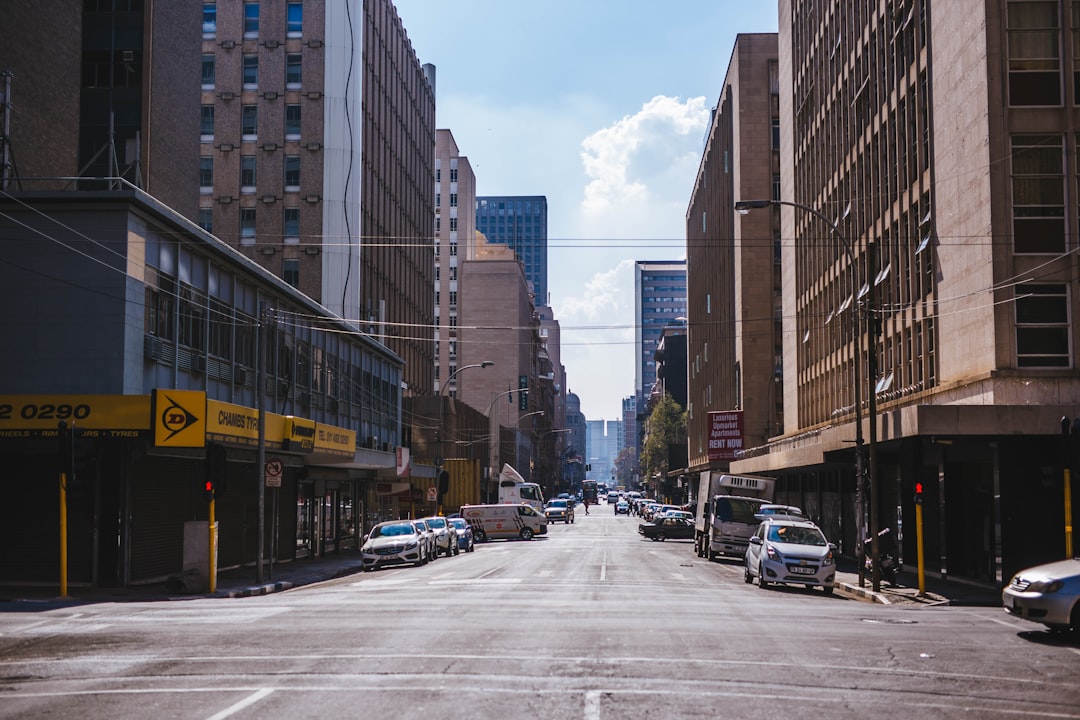
In June 2026, the South African Department of Home Affairs intensified its nationwide enforcement strategy, specifically targeting Johannesburg’s inner city to curb undocumented employment. This operation aims to prioritize local hiring and formalize the city’s vast informal economy by conducting rigorous inspections of small-scale enterprises. Government officials are currently patrolling the central business district (CBD) to verify the legal status of both employers and staff. This crackdown highlights a growing divide between national policy mandates and the operational realities of small businesses that rely on migrant labour. In this article, you will learn about the specific impacts of the 2026 Johannesburg immigration crackdown and how it is reshaping the urban economic landscape.
- The Department of Home Affairs has increased workplace inspections by 40% in urban centres.
- Small businesses in the retail and textile sectors report significant operational disruptions.
- New compliance requirements are forcing a rapid transition toward the formalization of labour.
Johannesburg’s inner city has historically functioned as a primary hub for regional trade and migration. For decades, small businesses in this area have operated within a grey zone, often employing foreign nationals to fill low-wage positions. These enterprises contribute significantly to the city’s micro-economy but frequently bypass official labour regulations. The current government push reflects a broader 2026 policy shift aimed at reducing local unemployment through stricter enforcement of the Employment Services Act. This context is essential for understanding why the current inspections are causing such widespread friction within the community.
Why is the 2026 immigration crackdown targeting Johannesburg’s inner city?
The focus on the inner city stems from its high density of informal businesses and residential blocks. Authorities argue that undocumented employment suppresses wages and limits opportunities for South African citizens in the entry-level job market. Consequently, the Department of Home Affairs has deployed specialized units to conduct door-to-door audits of business licences and work permits. These units are not only checking for valid documentation but also investigating the living conditions provided by employers. This multi-agency approach involves local law enforcement and labour inspectors working in tandem.
Small business owners, however, argue that the crackdown ignores the nuances of the urban economy. Many entrepreneurs claim they struggle to find local workers willing to accept the long hours and low pay characteristic of the informal sector. Furthermore, the sudden removal of experienced staff has led to the temporary closure of several prominent clothing stalls and eateries. This creates a vacuum in the local supply chain that affects both vendors and consumers. The tension between legal compliance and economic survival remains the central point of contention for inner-city stakeholders.
How are small businesses adapting to new labour regulations?
The enforcement surge has forced many business owners to rethink their recruitment strategies almost overnight. Some have begun partnering with local community forums to identify and train South African candidates for vacant roles. Others are investing in automated systems to reduce their total headcount and mitigate the risks of non-compliance. Specifically, the textile industry in the CBD is seeing a shift toward smaller, more specialized teams with verified legal status. This transition is costly and time-consuming, leading to a temporary decline in overall productivity across the district.
Legal consultants have seen a spike in requests for assistance with work permit applications and corporate compliance audits. Business owners are realizing that the era of informal hiring is ending as the government leverages digital tracking systems. These systems link business registration data with home affairs records to identify anomalies in real-time. Consequently, the cost of doing business in the inner city is rising as employers factor in the expenses of legal labour and social security contributions. While this increases the financial burden on entrepreneurs, it also offers a path toward greater economic stability.
What does the data say about migrant labour in South Africa?
Recent data indicates that the informal sector remains a critical component of the national economy despite the push for formalization. According to quarterly labour force surveys from Statistics South Africa, the informal trade sector accounts for a significant portion of urban employment. This data suggests that any major disruption to this sector could have ripple effects on national GDP growth. Government analysts argue that formalizing these roles will eventually lead to higher tax revenue and better protections for workers. However, the immediate data shows a contraction in inner-city trade volume as businesses struggle to adjust to the new enforcement climate.
Expert economists suggest that the crackdown must be paired with incentives for small businesses to thrive. Without support for local hiring initiatives, the crackdown might lead to a permanent relocation of businesses to other regions. Data from previous years shows that aggressive enforcement without economic support often results in a rise in underground, unregulated activities. Therefore, the government is being urged to balance its security-first approach with practical economic development programs. The success of the 2026 initiative will likely depend on this balance between law enforcement and business sustainability.
What are the long-term implications for the Johannesburg economy?
The 2026 immigration crackdown is likely to redefine the demographic and economic makeup of Johannesburg’s inner city for the next decade. If the government maintains this level of enforcement, we will see a more regulated and transparent urban marketplace. This could attract larger institutional investors who were previously deterred by the chaotic nature of the informal CBD. Moreover, the focus on local hiring could potentially reduce urban poverty if the training programs for South African workers prove effective. The shift toward a formalized economy represents a major milestone in the city’s post-pandemic recovery strategy.
Conversely, the loss of migrant-led innovation and regional trade networks could diminish Johannesburg’s status as a gateway to Africa. Many of the small businesses currently under pressure are the primary links to markets in neighbouring countries. If these businesses fail, the regional trade volume passing through South Africa could decrease significantly. Policymakers must consider whether the benefits of local job creation outweigh the potential loss of cross-border economic integration. The coming months will be a testing ground for the resilience of Johannesburg’s entrepreneurs and the efficacy of national labour policies.
The ongoing enforcement in Johannesburg serves as a clear signal that the South African government is committed to a “locals first” economic policy. Business owners should prioritize the auditing of their current staff and seek legal counsel to rectify any documentation issues immediately. As the city transitions toward a more formal structure, staying ahead of compliance requirements will be the only way to ensure long-term viability. By adapting to these changes now, entrepreneurs can protect their investments and contribute to a more stable and inclusive urban economy.


