
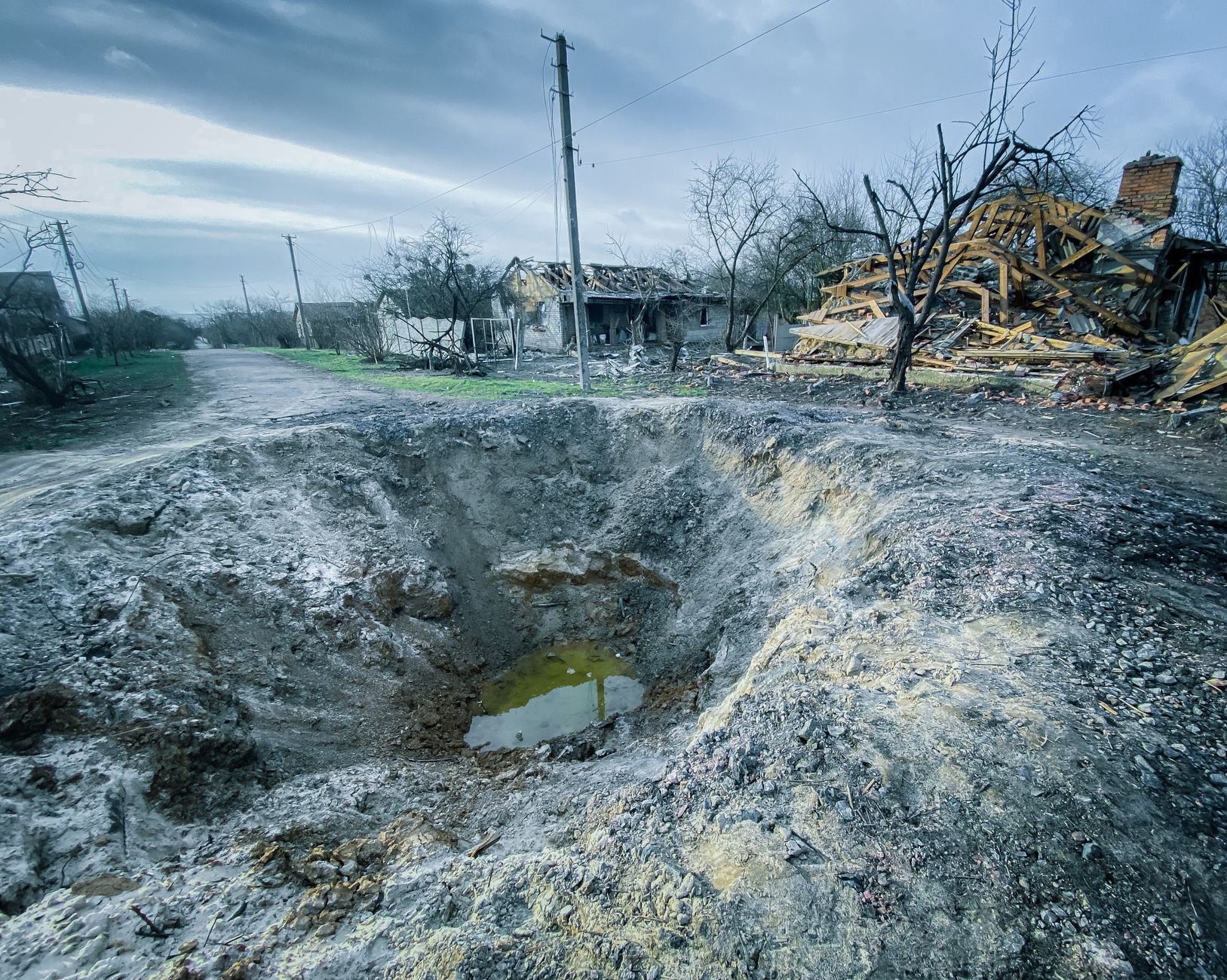
In a significant escalation of the ongoing conflict, Russian forces targeted the Kyiv-Pechersk Lavra on Sunday night, causing extensive damage to the thousand-year-old monastery in central Kyiv. This site remains one of the most revered locations in Eastern Orthodox Christianity, often compared to Paris’ Notre Dame in its cultural and spiritual weight. The strike represents a direct assault on Ukrainian Christian heritage, raising urgent questions about the protection of global heritage sites in active war zones. Readers will learn about the extent of the damage, the international legal response, and the long-term implications for cultural preservation in 2026.
- The Kyiv-Pechersk Lavra, an 11th-century spiritual centre, suffered severe structural damage from targeted Russian strikes.
- International observers view the destruction of religious sites as a systematic attempt at cultural erasure.
- The incident has triggered calls for stricter enforcement of the 1954 Hague Convention during modern conflicts.
The Kyiv-Pechersk Lavra, also known as the Monastery of the Caves, was founded in 1051. It has served as a preeminent centre of Eastern Orthodox Christianity for nearly a millennium. As a UNESCO World Heritage site, it is protected under international law, yet this status did not prevent it from becoming a target of the Russian military machine. The recent bombing has left several historic structures in ruins, including ancient cells and administrative buildings.
How does the destruction of the Lavra impact global Christian heritage?
The damage to the Lavra is not merely a local tragedy; it is a loss for the entire Christian world. Historians note that the monastery houses the incorrupt remains of medieval saints and some of the earliest examples of Eastern Slavic architecture. Consequently, the loss of these physical structures erases tangible links to the 11th century. This act of vandalism strikes at the heart of spiritual identity for millions of believers globally.
Experts suggest that the targeting of such high-profile religious sites is a deliberate psychological tactic. By striking the Lavra, the Russian military targets the historical continuity of the Ukrainian people. This method of warfare aims to demoralize the population by destroying the symbols of their endurance and faith. Furthermore, it challenges the international community’s ability to safeguard shared human history.
What are the legal consequences for targeting UNESCO World Heritage sites?
The 1954 Hague Convention for the Protection of Cultural Property in the Event of Armed Conflict explicitly prohibits the targeting of historical monuments and religious institutions. According to the UNESCO World Heritage Centre, these sites must be respected as neutral ground. However, the enforcement of these regulations remains a significant challenge when a state actor chooses to ignore international norms. Legal experts are currently documenting the damage to build a case for war crimes specifically related to cultural destruction.
In addition to legal ramifications, there are diplomatic consequences. Nations that previously remained neutral are now facing domestic pressure to condemn these acts of cultural vandalism. The destruction of a thousand-year-old monastery provides clear evidence of a disregard for the rules of engagement. This shift in public perception may lead to increased military and humanitarian aid for the protection of other vulnerable sites.
“The destruction of the Kyiv-Pechersk Lavra is a wound to the soul of the world. We are witnessing the systematic erasure of a culture’s memory in real-time.” — Dr. Elena Voloshina, Cultural Historian.
How can the international community prevent further cultural erasure?
In response to the bombing, preservationists are calling for the establishment of “cultural peace zones.” These zones would be monitored by satellite and international observers to ensure no military assets are placed nearby. While difficult to implement, such measures are seen as necessary in the face of nihilistic warfare. Additionally, digital archiving is being accelerated to preserve 3D maps of remaining structures.
The technical hurdles of post-conflict reconstruction are also being addressed. Restoring 11th-century masonry requires specialized knowledge and materials that are increasingly rare. Architects warn that while buildings can be rebuilt, the original frescoes and ancient spirit of the site may be lost forever. Therefore, the focus remains on immediate physical protection and reinforcement of existing structures.
What does this mean for the future of Ukrainian identity?
The resilience of the Ukrainian people has often been tied to their religious and cultural institutions. Despite the physical damage, the spiritual significance of the Lavra has only intensified for many. It has become a symbol of defiance against those who seek to overwrite history. The bells of the monastery, though damaged, continue to ring as a testament to the country’s survival.
Looking ahead, the recovery of Ukrainian Christian heritage will require a multi-decade global effort. This includes not only physical reconstruction but also the repatriation of artifacts and the restoration of historical narratives. The international community’s response to this crisis will set a precedent for how heritage is protected in future conflicts. Strengthening the legal and physical barriers around these sites is the only way to ensure they survive for another millennium. Supporting local preservation efforts today ensures that these irreplaceable links to our past remain intact for future generations.


