
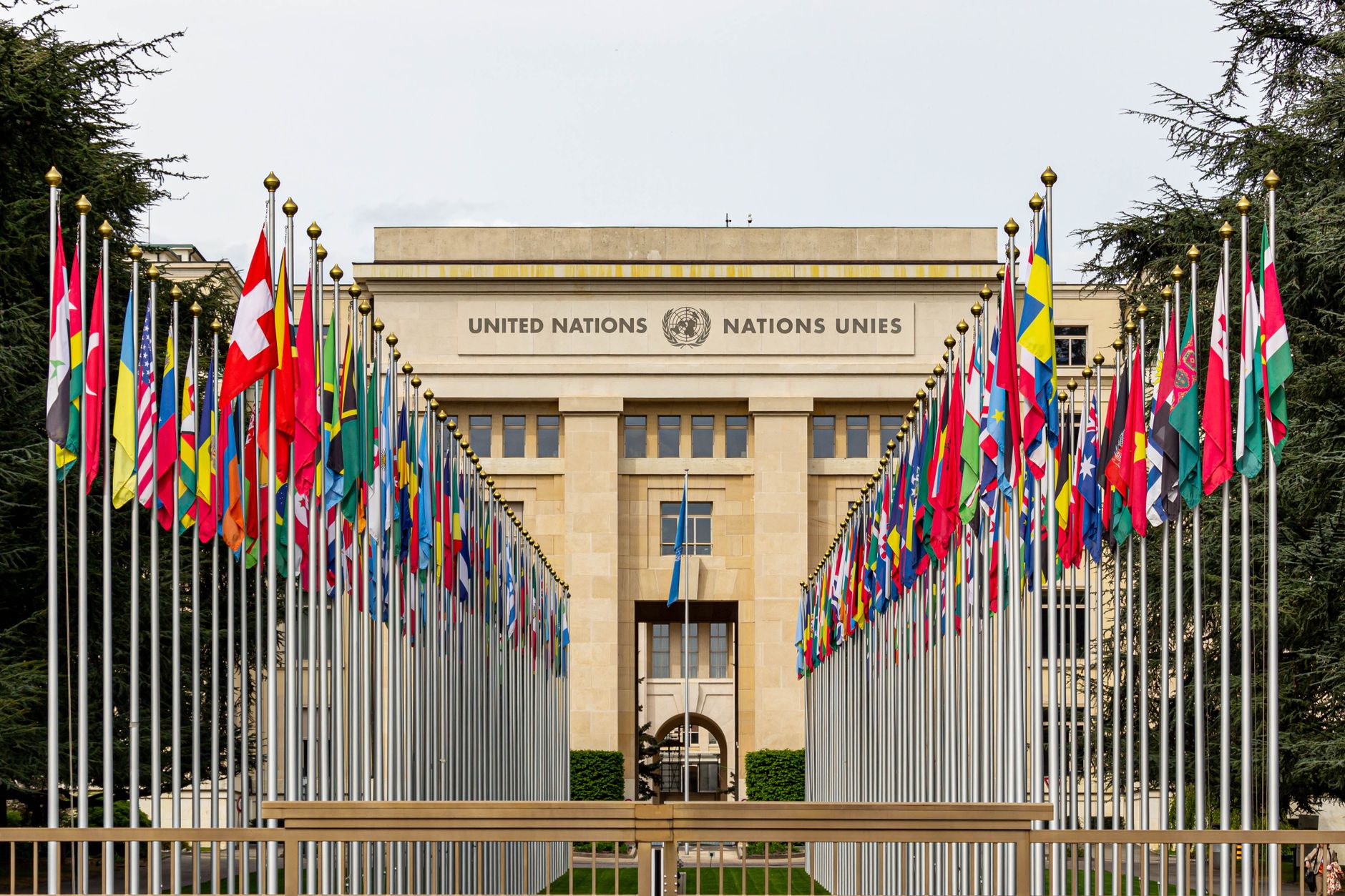
High-level officials from Washington and Tehran arrived in Geneva on Monday for a critical three-day summit. These discussions aim to formalize the 2026 Memorandum of Understanding (MoU) regarding regional security and nuclear compliance. This pivotal meeting occurs amidst rising global energy demands and shifting alliances in the Middle East. You will learn about the specific policy shifts, the economic implications for global markets, and the strategic goals of the US-Iran Switzerland talks 2026 in this comprehensive report.
- Formalization of nuclear enrichment limits and verification protocols.
- Proposed frameworks for phased sanctions relief to stabilize energy prices.
- Establishment of a permanent crisis-communication channel between Washington and Tehran.
The current diplomatic push follows a year of quiet back-channel negotiations facilitated by Swiss intermediaries. Both nations face domestic pressure to reach a sustainable agreement. For the United States, regional stability is paramount for maritime trade. Meanwhile, Iran seeks significant economic relief to bolster its domestic infrastructure.
Why do these Switzerland talks matter for global stability?
Switzerland has long served as a neutral ground for adversarial nations. The 2026 summit represents the most significant face-to-face engagement between these two powers in a decade. Negotiators are focusing on the technicalities of the Memorandum of Understanding signed earlier this year. This document outlines a roadmap for reducing military friction in the Persian Gulf.
The success of these talks could de-escalate tensions that have historically spiked global oil prices. Market analysts suggest that a formal agreement could lead to a decrease in the geopolitical risk premium. This would provide much-needed relief for international shipping and logistics sectors. Consequently, the world is watching Geneva with intense scrutiny.
The role of the International Atomic Energy Agency remains central to these discussions. Ensuring transparent monitoring of nuclear facilities is a non-negotiable demand for the American delegation. According to the official statements from the IAEA, consistent verification is essential for building international trust in any long-term accord.
What are the primary objectives of the 2026 Memorandum of Understanding?
The MoU serves as a framework for incremental progress rather than a single grand bargain. It prioritizes maritime safety and the release of frozen assets. Iran has reportedly agreed to cap its uranium enrichment at 60 percent as a gesture of good faith. In exchange, the US is considering temporary waivers for specific petrochemical exports.
“The 2026 talks represent a pragmatic shift toward functional diplomacy over ideological confrontation,” says Dr. Elena Vance, a senior fellow at the Global Security Institute.
Both sides are navigating complex internal political landscapes. Hardliners in both capitals remain skeptical of any concessions. Therefore, the Swiss mediators are pushing for small, verifiable wins. These minor successes are intended to build the momentum necessary for larger systemic changes.
How will these diplomatic efforts affect international energy markets?
Energy security is a major driver behind the renewed interest in the MoU. If the talks succeed, Iran could potentially re-enter the global market with significant crude oil volumes. This influx would likely stabilize prices at a time of high demand in Europe and Asia. Canadian energy firms are also monitoring the situation closely to adjust their long-term export strategies.
The following data points highlight the potential economic impact of a successful summit:
- Projected 15% reduction in maritime insurance rates for the Strait of Hormuz.
- Potential release of $7 billion in Iranian assets currently held in foreign banks.
- Estimated increase of 1.2 million barrels of oil per day in global supply.
These figures illustrate the high stakes involved for the global economy. A failure to reinforce the MoU could lead to renewed volatility. Analysts warn that a breakdown in communication might trigger immediate market corrections. This makes the technical details discussed in Geneva vital for financial planners worldwide.
As the second day of talks begins, the focus shifts to the implementation timeline. Negotiators must decide which sanctions will be lifted first and how verification will occur. The Swiss Foreign Ministry has emphasized that both parties are showing a “constructive spirit.” However, the path to a final signature remains fraught with technical hurdles.
The outcome of this week’s meetings will define the geopolitical landscape for the remainder of the decade. By prioritizing clear communication and verifiable actions, both nations have an opportunity to move past years of gridlock. Businesses and governments should prepare for various scenarios as the final session approaches. Staying informed on these diplomatic shifts is essential for navigating the evolving global trade environment.


