
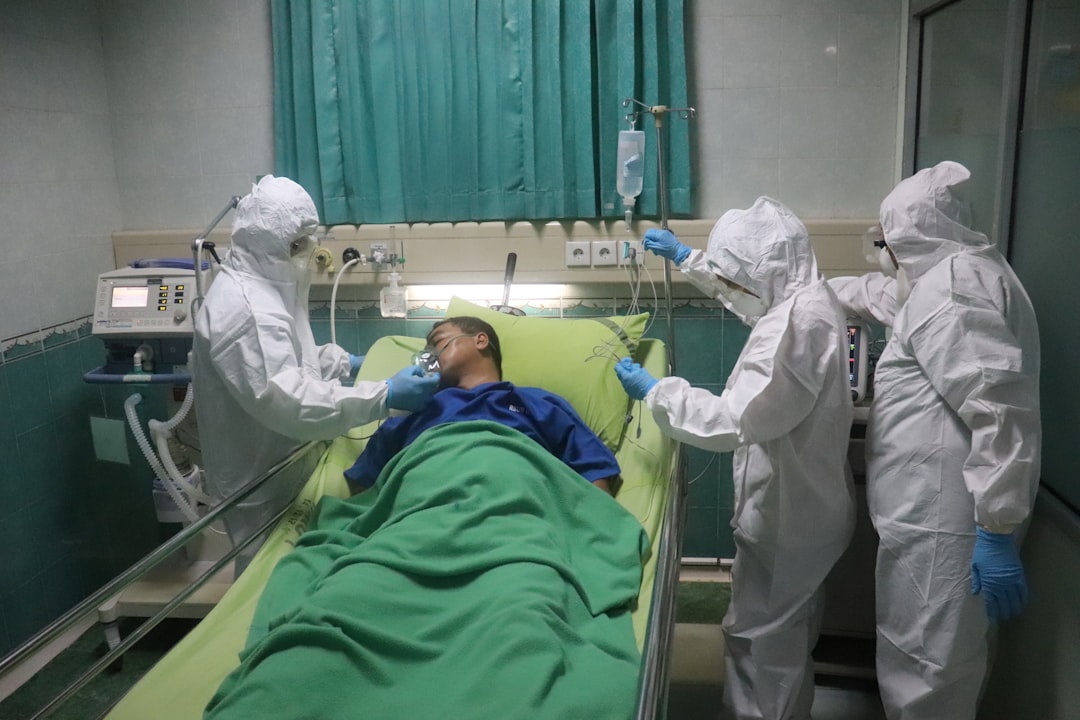
French health authorities have confirmed the country’s first case of Ebola in 2026. The patient is a physician who recently returned from a mission in the Democratic Republic of Congo. Official reports indicate the doctor is currently in isolation at a high-security medical facility. This incident has triggered immediate activation of national biosafety protocols to prevent further spread. Readers will gain insights into the specific containment measures and the broader impact on international medical missions.
- A French doctor tested positive for Ebola after returning from central Africa.
- The patient is isolated at a specialized military hospital near Paris.
- Health officials confirm that all contact tracing protocols are currently active.
- The risk to the general French public remains extremely low.
How is France managing the confirmed Ebola case?
The French Ministry of Health confirmed the case after the individual displayed symptoms upon arrival. Medical teams immediately transported the patient to the Bégin Military Teaching Hospital. This facility features advanced isolation units designed for viral haemorrhagic fevers.
Staff at the centre follow rigorous biosafety level 4 protocols. They utilize positive-pressure suits to ensure total separation from the pathogen. These measures prevent the accidental release of the virus within the clinical environment.
Health Minister officials stated that the transport occurred under strict quarantine conditions. No members of the public were exposed during the relocation process. The hospital remains fully operational for other departments while maintaining the isolation zone.
What are the protocols for medical volunteers?
The physician was part of an international humanitarian programme in the DR Congo. This region has faced intermittent outbreaks of the Zaire ebolavirus strain in recent years. Volunteers undergo extensive training before deployment to these high-risk areas.
Upon return, medical professionals must monitor their health for twenty-one days. This period covers the maximum incubation timeframe for the virus. The doctor reported a fever shortly after landing in France.
Rapid diagnostic tests confirmed the presence of the virus within hours. This quick detection highlights the effectiveness of current surveillance systems. Early intervention is critical for both patient survival and public safety.
How does this impact global health security?
International health agencies are closely monitoring the situation in central Africa. The World Health Organization provides comprehensive Ebola virus disease clinical guidelines to assist member states. These resources help nations prepare for imported cases from endemic regions.
France has maintained a high state of readiness for such scenarios. The national response plan includes dedicated laboratories for rapid viral sequencing. This allows scientists to identify the specific strain and its potential origins.
Recent advancements in vaccine technology have improved the outlook for exposed individuals. Therapeutic treatments involving monoclonal antibodies are also available in French hospitals. These medical tools significantly reduce the mortality rate associated with the disease.
What measures are being taken for contact tracing?
Epidemiologists are currently identifying every individual who had contact with the doctor. This includes flight crew members and passengers seated in close proximity. Most Ebola transmissions require direct contact with infected bodily fluids.
The risk of respiratory transmission is non-existent according to current scientific consensus. Authorities have already contacted the primary circle of the physician’s associates. These individuals are now under voluntary home quarantine as a precaution.
Monitoring will continue for the duration of the standard incubation window. No secondary cases have been reported at this time. The government continues to provide transparent updates to the public.
What are the implications for international travel?
There are currently no plans to restrict travel between France and the DR Congo. Health screenings at major airports like Charles de Gaulle remain a priority. Enhanced thermal imaging and health questionnaires help identify potentially ill travellers.
Airlines are cooperating with health officials to ensure cabin safety. Disinfection procedures for aircraft have been standardized across the industry. These steps ensure that international transit remains safe for all passengers.
The medical community continues to support missions in affected regions. Halting these programmes would hinder efforts to contain the virus at its source. French health experts emphasize that global cooperation is the best defence against outbreaks.
The successful isolation of this case demonstrates the strength of the national health infrastructure. Efficient detection and rapid response remain the primary tools for managing infectious threats. France continues to uphold its commitment to global health while protecting its citizens through evidence-based medicine.


