Recent seismic activity across Venezuela’s coastal regions, particularly in the state of La Guaira, has severely strained the nation’s already precarious healthcare infrastructure. Earthquake victims are overwhelming medical centres, pushing facilities and personnel past their operational limits. This escalating crisis highlights the critical vulnerability of Venezuela’s health system to natural disasters. Readers will understand the immediate and long-term implications of these seismic events on public health services.
- Recent earthquakes in Venezuela, especially La Guaira, are overwhelming local healthcare facilities.
- The nation’s health system, already fragile, faces critical shortages and infrastructural damage.
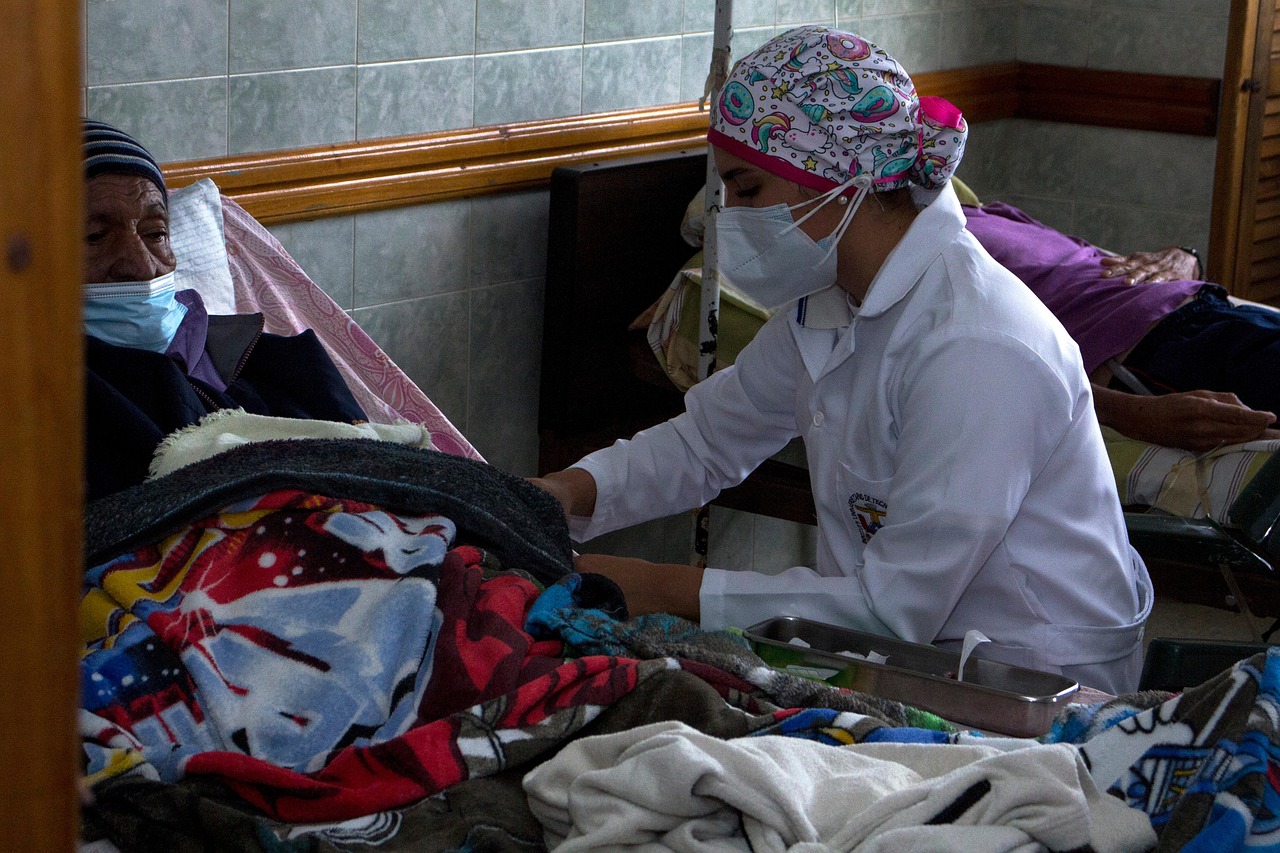
- Medical personnel are struggling to manage the influx of patients amid resource scarcity.
- The crisis necessitates urgent humanitarian aid and long-term recovery strategies.
Venezuela’s healthcare system has faced significant challenges for many years. Persistent economic pressures and underinvestment have led to widespread shortages of essential medicines, medical supplies, and functional equipment. Many hospitals and clinics across the country experienced deteriorating infrastructure even before the recent seismic events. This pre-existing fragility created a precarious situation, leaving little resilience for unexpected emergencies. The current earthquakes have thus exacerbated an already critical public health scenario.
How are seismic events impacting healthcare infrastructure?
The recent earthquakes have caused significant damage to vital healthcare facilities. Structural integrity has been compromised in several hospitals and clinics, particularly in the hardest-hit coastal areas. This damage forces partial or complete evacuation of services, redirecting patients to already overburdened facilities.
Immediate Damage and Operational Disruptions
Beyond structural damage, essential utilities like electricity and water supply have been disrupted. These outages severely impede surgical procedures, critical care, and basic sanitation within medical centres. Furthermore, damaged roads and communication lines hinder the transport of injured individuals and the delivery of vital medical supplies.
Access to affected areas remains a significant logistical challenge. Emergency response teams struggle to reach remote communities. This delay means many injured individuals receive delayed treatment, escalating the severity of their conditions. The overall capacity for emergency response is stretched thin.
What are the immediate challenges for medical personnel?
Frontline healthcare workers face immense pressure and resource scarcity. The sudden influx of trauma patients, including those with fractures, head injuries, and crush syndrome, demands immediate and specialized attention. However, staff are often working with limited equipment and dwindling supplies.
Shortages and Burnout Among Frontline Workers
Pharmacological shortages are particularly acute. Painkillers, antibiotics, and anaesthetics are in critically low supply, making effective patient management difficult. Medical personnel are also contending with severe emotional and physical burnout. Many have been working extended shifts under stressful and dangerous conditions for prolonged periods.
The lack of adequate personal protective equipment further endangers staff. This situation increases their risk of exposure to infectious diseases amidst crowded conditions. The mental health burden on these dedicated professionals is also a growing concern, demanding urgent support.
How is the international community responding to the Venezuelan health crisis?
International aid organizations and humanitarian groups have begun mobilizing resources to assist Venezuela. Emergency relief efforts focus on providing medical supplies, shelter, and clean water to affected populations. These interventions are crucial for immediate life-saving support.
Emergency Aid and Long-Term Support Initiatives
However, logistical hurdles often complicate the delivery of aid. Navigating damaged infrastructure and coordinating distribution remains a complex task. The Pan American Health Organization (PAHO) has previously highlighted the region’s vulnerability to natural disasters, underscoring the urgent need for robust disaster preparedness plans across Latin America. (Pan American Health Organization’s regional disaster preparedness assessments).
Longer-term recovery efforts will require substantial international cooperation. Rebuilding damaged infrastructure and bolstering the healthcare system’s resilience will be a multi-year undertaking. Sustainable funding and technical expertise are essential for these recovery phases.
What long-term implications exist for public health?
The immediate earthquake aftermath poses significant public health risks beyond direct injuries. Displaced populations living in temporary shelters face increased vulnerability to communicable diseases. Overcrowding and inadequate sanitation facilities can accelerate the spread of respiratory infections, diarrheal diseases, and skin conditions.
Disease Risk and Sustained Recovery Needs
Furthermore, the disruption of routine medical services, such as vaccinations and chronic disease management, creates a secondary health crisis. Patients with conditions like diabetes, hypertension, or HIV may miss critical appointments and medication refills. This interruption can lead to severe health complications and increased mortality rates.
The psychological impact of the disaster on survivors, especially children, is also profound. Trauma, anxiety, and depression are likely to be prevalent, requiring long-term mental health support services. Addressing these varied and complex health needs will demand a comprehensive and sustained public health response.
The situation in Venezuela’s coastal states demands immediate and coordinated action. Strengthening the nation’s fragile healthcare system against future seismic events and other natural disasters is paramount. Continued international support, coupled with internal reforms, will be essential to mitigate suffering and rebuild a more resilient public health infrastructure for all Venezuelans.