
Severe weather patterns are challenging communities across the Canadian Prairies in 2026, prompting flood concerns in Alberta and widespread tornado threats in Saskatchewan. Residents are bracing for potential impacts as meteorological forecasts indicate continued instability.
This evolving situation highlights the urgent need for robust emergency preparedness and adaptive infrastructure. Readers will learn about the current threats, regional responses, and the broader implications of these intense weather events for the Prairie provinces.
- Alberta is facing mounting flood concerns, with Edmonton experiencing near-record June rainfall levels.
- Saskatchewan is under active tornado watches and severe thunderstorm warnings, impacting several regions.
- Emergency services and local governments are activating response plans to mitigate risks and protect residents.
- The intensity of these events underscores ongoing discussions about climate resilience and adaptation strategies across the Prairies.
What Are the Immediate Threats Across the Prairies?
Alberta’s capital, Edmonton, has recently seen substantial rainfall, pushing river levels higher and raising flood alerts. This precipitation has saturated ground conditions, increasing the risk of overland flooding and overwhelmed drainage systems.
Authorities are closely monitoring major waterways, including the North Saskatchewan River. Public safety advisories urge residents in low-lying areas to prepare for potential evacuation orders.
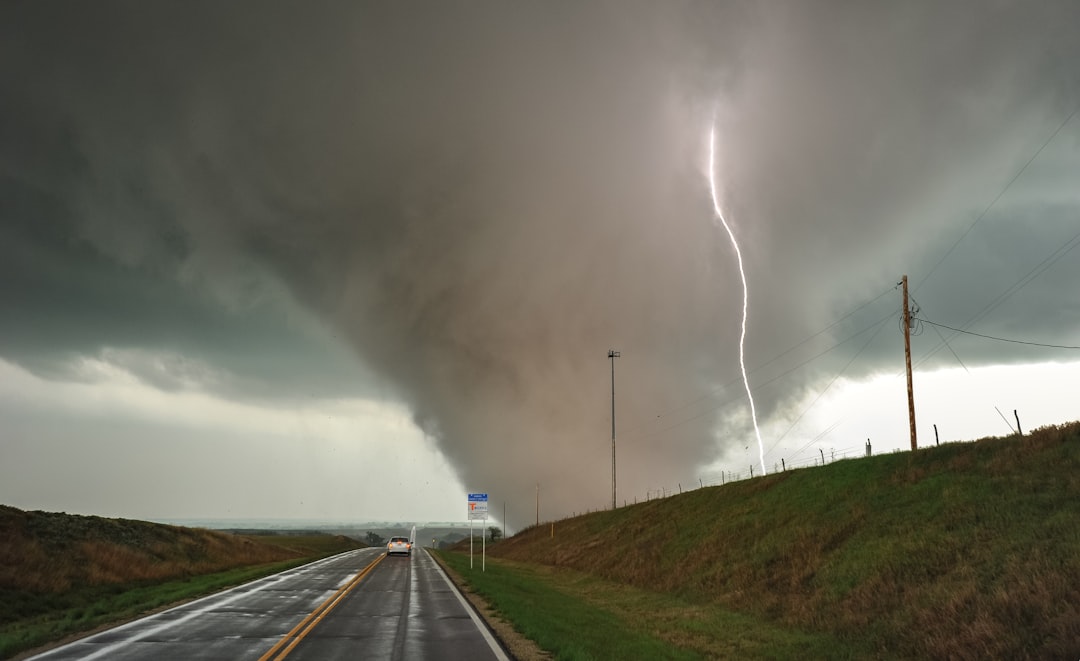
Concurrently, Saskatchewan is experiencing a volatile storm season. Multiple tornado watches have been issued across central and southern parts of the province. Severe thunderstorms, characterized by large hail and damaging winds, are also a significant concern.
Meteorologists indicate that atmospheric conditions are highly conducive to supercell development. This poses an elevated risk to both urban and rural communities.
How Are Alberta Communities Preparing for Flood Risks?
Municipalities in Alberta have activated their emergency operations centres. These centres coordinate resources and disseminate critical information to the public. Sandbagging efforts are underway in vulnerable areas.
Infrastructure crews are inspecting culverts and storm drains to ensure maximum capacity. Public awareness campaigns stress the importance of having emergency kits ready and knowing evacuation routes.
Provincial emergency management agencies are working closely with local authorities. This collaboration ensures a unified response to the escalating flood threat. Early warning systems are crucial for timely public notifications.
What Are the Risks Associated with Saskatchewan’s Severe Storms?
Saskatchewan’s frequent severe storms bring risks beyond just tornadoes. High winds can cause widespread power outages and property damage. Large hail poses a significant threat to crops, vehicles, and structures.
Farmers, in particular, face substantial uncertainty. Crop damage from hail or excessive rain can have long-term economic repercussions. Livestock safety is also a critical consideration during intense weather events.
Emergency responders are on high alert. They are prepared for search and rescue operations following potential tornado touchdowns. Public alerts advise residents to seek immediate shelter during active warnings.
How Do Climate Patterns Influence Prairie Weather Extremes?
The current weather patterns reflect a broader trend of increasing extreme weather events observed in Canada. Scientists suggest that a warming climate contributes to more intense rainfall and volatile storm systems.
Warmer temperatures can lead to more moisture in the atmosphere. This increased moisture fuels stronger thunderstorms and heavier precipitation. Such conditions amplify both flood risks and the potential for severe convective storms.
Historical data indicates a shift in the frequency and intensity of these events. This necessitates ongoing research and adaptive strategies. Understanding these influences is vital for future planning and mitigation efforts.
Evidence and Expert Perspectives on Climate Trends
Climate scientists from various Canadian institutions have consistently highlighted these trends. For instance, data compiled by Environment and Climate Change Canada’s climate data illustrates shifts in precipitation patterns and an increase in high-impact weather occurrences across the country.
Meteorologists emphasize that while individual weather events cannot be solely attributed to climate change, the observed patterns align with climate model projections. These projections indicate a future with more frequent and severe weather phenomena.
Emergency management officials often cite these scientific findings. They use them to justify enhanced preparedness measures and investments in resilient infrastructure. This proactive approach aims to protect communities.
What Are the Broader Implications for the Prairies?
The persistent threat of extreme weather carries significant implications for the Prairie provinces. Agriculture, a cornerstone of the regional economy, is particularly vulnerable. Crop yields can be drastically reduced by floods, hail, or drought, impacting food security and farmer livelihoods.
Infrastructure resilience is another major concern. Roads, bridges, and utility networks must withstand increasingly powerful storms. Investments in climate-resilient construction and maintenance are becoming imperative.
For residents, the psychological toll of repeated weather threats can be substantial. Community support networks and mental health resources are essential during and after these stressful events. Adaptation and preparedness are not just policy matters; they are deeply personal.
Moving forward, a coordinated approach involving government, industry, and individual citizens will be critical. This collaboration will help build more resilient communities capable of facing the challenges posed by an unpredictable climate.


