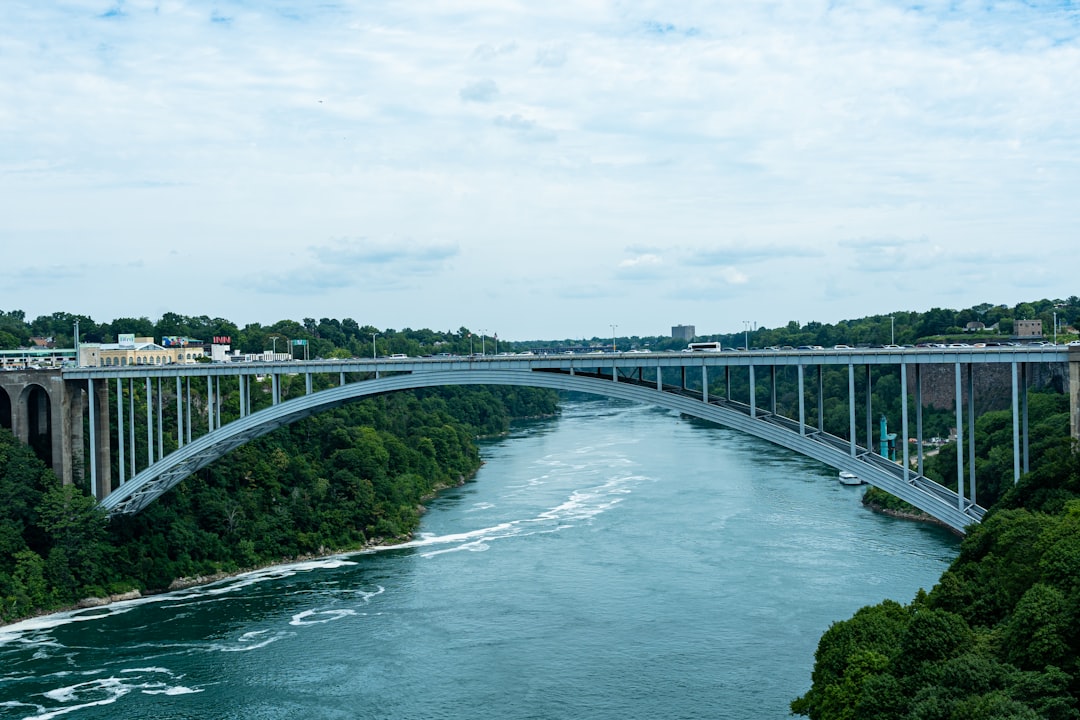
A critical piece of North American infrastructure, the Gordie Howe International Bridge, remains unopened in 2026, sparking growing frustration and calls for immediate action from U.S. lawmakers. Recently, a California Congressman added his voice to a chorus demanding the bridge’s operational launch. This delay impacts cross-border trade, supply chains, and the economies of both Canada and the United States. Readers will learn about the reasons behind the prolonged wait, the significant economic implications, and the intensifying political efforts to expedite its opening.
- The Gordie Howe International Bridge, completed late last year, remains closed to traffic in 2026.
- U.S. lawmakers, including a California Congressman, are publicly pressuring Canada for an immediate opening.
- The delay significantly impacts the vital Canada-U.S. trade corridor, particularly the automotive sector.
- Economic and logistical challenges are mounting due to the prolonged unavailability of the new crossing.
The Gordie Howe International Bridge, a monumental infrastructure project connecting Windsor, Ontario, and Detroit, Michigan, was completed late last year. This state-of-the-art span represents a significant investment in the future of North American commerce. Original projections aimed for an opening in late 2024, later revised to early 2025. Despite its physical completion, the bridge has yet to welcome traffic.
The bridge project, a public-private partnership, aims to enhance trade capacity and reduce border congestion. It is expected to become a crucial artery for the movement of goods and people. The ongoing delay, however, has become a point of contention.
Why is the Gordie Howe Bridge Still Not Open?
The physical construction of the bridge itself concluded in 2025. However, operational readiness extends beyond structural completion. Factors such as the finalization of customs plaza facilities on both sides contribute to the delay. Additionally, the integration of new border technology and the comprehensive staffing of customs and security personnel require extensive coordination. These elements are complex and necessitate rigorous testing and approval before opening.
Regulatory hurdles and bureaucratic processes can also prolong the timeline. Ensuring seamless cross-border operations demands alignment between Canadian and U.S. agencies. This includes establishing protocols for traffic management, emergency services, and security. Each step involves multiple stakeholders and requires careful negotiation.
What Are the Economic Stakes for Canada and the U.S.?
The Windsor-Detroit corridor is the busiest commercial land border crossing in North America. Billions of dollars in goods flow through this vital gateway annually. The existing Ambassador Bridge often experiences congestion, leading to delays and increased shipping costs.
The new Gordie Howe Bridge was designed to alleviate this pressure. Its delayed opening means businesses continue to face logistical bottlenecks. This particularly impacts the automotive industry, which relies heavily on just-in-time supply chains across the border. Manufacturers in Ontario and Michigan depend on efficient transit for parts and finished vehicles.
Analysts suggest that prolonged delays could lead to significant economic losses. These losses stem from increased fuel consumption, lost productivity, and potential rerouting of goods. The economic benefits anticipated from the new bridge, such as reduced travel times and enhanced trade fluidity, remain unrealized. According to data from Statistics Canada on international merchandise trade, the volume of goods moving between Canada and the U.S. underscores the corridor’s immense importance.
How Are U.S. Legislators Influencing the Opening?
The recent intervention by a California Congressman highlights growing impatience within U.S. political circles. His remarks underscore a broader sentiment among American politicians regarding the economic impact of the delay. Such calls for action often gain traction through media attention and diplomatic channels.
U.S. lawmakers are increasingly vocal about the need for Canada to expedite the bridge’s operational launch. They view the bridge as a shared asset critical to continental economic stability. Congressional pressure typically involves formal letters, public statements, and direct engagement with Canadian counterparts. These efforts aim to push for transparency and a firm opening date.
The U.S. perspective emphasizes the collaborative nature of the project. They highlight the significant investments made by both nations. This cross-border advocacy aims to accelerate the final stages of readiness. Such political engagement signifies the high stakes involved for both economies.
The ongoing delay of the Gordie Howe International Bridge’s opening presents a critical challenge for Canada-U.S. relations and cross-border commerce. While the physical structure stands ready, the complexities of operationalization continue to stall its use. The increasing pressure from U.S. lawmakers underscores the urgency of this situation. Expediting the final stages of readiness will unlock significant economic benefits, ensuring smoother trade and bolstering continental supply chains for years to come. Resolving these outstanding issues promptly remains paramount for all stakeholders.