
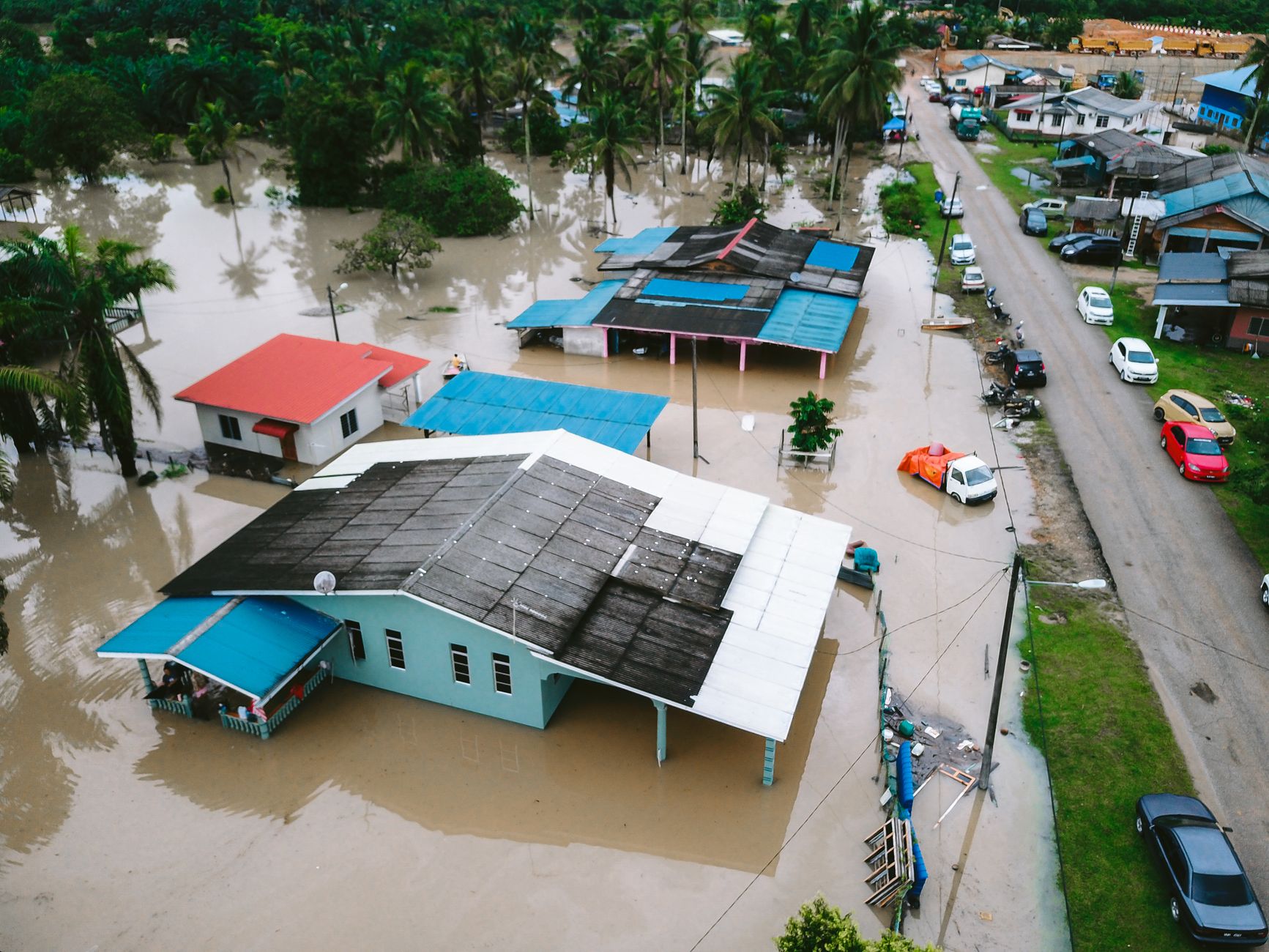
The World Meteorological Organization (WMO) recently issued a critical alert regarding the intensifying El Niño phenomenon. This natural climate pattern is expected to drive a significant increase in the likelihood of extreme weather events across the globe. Experts warn of a heightened risk for heatwaves, severe droughts, and heavy rainfall in various regions, demanding immediate attention from governments and communities worldwide. Canadians should understand the potential indirect impacts, from wildfire risks to altered seasonal patterns, as the global climate system responds to these shifts.
- The WMO has confirmed El Niño’s intensification, predicting a surge in extreme weather events globally.
- Regions face increased risks of heatwaves, droughts, and excessive rainfall, impacting agriculture and water security.
- Canada may experience indirect effects, including potentially milder winters in some areas and elevated wildfire risks.
- Global preparedness and early warning systems are crucial for mitigating the widespread humanitarian and economic impacts.
Understanding the El Niño Phenomenon
El Niño is a recurring climate pattern characterized by the unusual warming of surface waters in the central and eastern equatorial Pacific Ocean. This warming profoundly influences atmospheric circulation, altering global weather patterns. Typically, El Niño events occur every two to seven years, lasting nine to twelve months.
During an El Niño, trade winds weaken, allowing warm waters to spread eastward. This shift in ocean temperatures affects rainfall and temperature across continents. Its counterpart, La Niña, involves a cooling of these same Pacific waters, often leading to opposite weather effects.
The current intensification of El Niño follows a period of significant global climate anomalies. Scientists are closely monitoring its progression. Previous strong El Niño events have demonstrated the potential for extensive disruption.
How Will Intensified El Niño Manifest Globally?
The WMO’s forecasts indicate a strong likelihood of several distinct weather shifts. Many areas are bracing for prolonged periods of unusually high temperatures. These heatwaves pose serious health risks and can exacerbate existing drought conditions.
Droughts are expected to intensify in regions already vulnerable to water scarcity. This situation threatens agricultural yields and food security. Conversely, other parts of the world face the prospect of increased heavy rainfall and subsequent flooding. Such events can displace populations and damage infrastructure.
Tropical cyclone activity may also be affected. Warmer ocean waters can fuel more intense storms in certain basins. These combined impacts underscore the global reach of El Niño’s influence.
What Does This Mean for Canada?
While El Niño’s most direct impacts are often felt closer to the equator, Canada is not immune to its ripple effects. Historically, strong El Niño events have been associated with milder winters across much of Western and Central Canada. This can lead to reduced snowpacks, impacting water resources for the following spring and summer.
The risk of wildfires could also increase, particularly in regions experiencing drier conditions. Early snowmelt and reduced precipitation in crucial periods contribute to this danger. Conversely, some areas might see shifts in precipitation patterns, though predicting precise local impacts remains complex.
Fisheries along the Pacific coast may also experience changes. Warmer ocean temperatures can alter marine ecosystems, affecting fish migration and populations. These shifts require careful monitoring and adaptive management strategies.
Evidence and Expert Perspectives on Climate Linkages
The WMO’s warnings are grounded in extensive climate modelling and observational data. Climatologists emphasize that while El Niño is a natural phenomenon, its impacts can be exacerbated by long-term climate change. Rising global temperatures contribute to more extreme heat events and can intensify precipitation patterns.
Leading research institutions globally are collaborating to refine predictions and assess regional vulnerabilities. For detailed scientific updates and forecasts, consult the World Meteorological Organization’s official El Niño monitoring and information portal. These resources provide crucial data for policymakers and the public.
Experts consistently highlight the need for robust early warning systems. These systems allow communities to prepare for impending extreme weather. They also facilitate the deployment of resources to mitigate potential damage and protect vulnerable populations.
Implications for Global Preparedness and Policy
The intensification of El Niño carries significant implications for various sectors. Agriculture faces potential crop failures and livestock losses, which could destabilize global food markets. The insurance industry anticipates increased claims due to weather-related damages.
Governments must prioritize disaster risk reduction strategies. This includes investing in resilient infrastructure and improving emergency response capabilities. International cooperation is also vital for sharing data and coordinating aid efforts in affected regions.
For individuals, understanding local forecasts and preparing for potential hazards is paramount. This includes securing property, conserving water, and having emergency plans in place. The ongoing monitoring of El Niño’s evolution will continue to inform these critical preparedness measures, ensuring communities can adapt to a changing climate landscape.


