
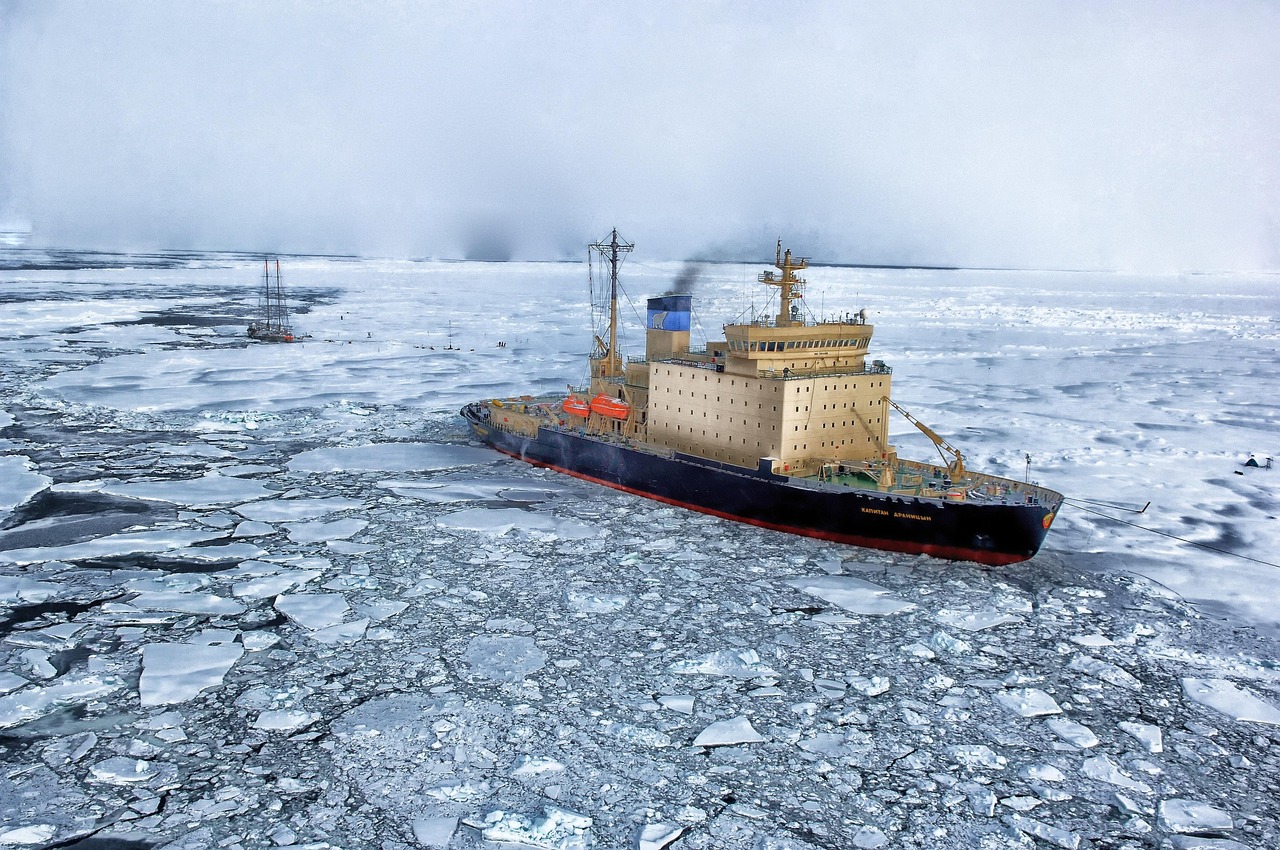
Canada has officially selected Germany’s ThyssenKrupp Marine Systems (TKMS) to construct its next-generation submarine fleet. This landmark defence procurement is projected to include up to 12 advanced submarines. The decision significantly strengthens Ottawa’s ties with key European allies. It also substantially bolsters Canada’s capabilities in protecting its vast Arctic territories. This article delves into the strategic rationale, anticipated benefits, and broader implications of this historic agreement for Canada’s national security and global standing.
- Canada has chosen Germany’s TKMS to build its new submarine fleet.
- The procurement encompasses up to 12 state-of-the-art submarines.
- This initiative aims to enhance Arctic defence and reinforce European alliances.
- The deal represents Canada’s largest defence acquisition in recent history.
Context: Why Canada Needs a New Submarine Fleet
For decades, Canada’s naval defence has relied on its aging Victoria-class submarines. These vessels, acquired from the United Kingdom, have served valiantly. However, they are approaching the end of their operational lifespans. The need for a modern, capable replacement has become increasingly pressing. Global geopolitical shifts and heightened activity in the Arctic demanded an urgent upgrade.
The Canadian government initiated a comprehensive process to identify a suitable partner. This search focused on technological prowess, strategic alignment, and long-term support. The decision to select TKMS marks the culmination of this extensive evaluation. It signals a definitive move towards a modernized naval force.
Why Was TKMS Chosen for Canada’s Submarines?
The selection of TKMS follows an extensive and rigorous evaluation process. Ottawa sought a partner capable of delivering highly advanced, reliable, and operationally flexible vessels. Germany’s deep expertise in conventional submarine design and construction proved a decisive factor. TKMS boasts a strong track record with various NATO and allied navies worldwide. Their proven designs offer robust performance and adaptability.
Furthermore, the partnership with Norway on this project highlights a collaborative European approach. This alignment underscores Canada’s commitment to interoperability with its allies. The decision reflects a strategic pivot towards proven European defence technology. It also ensures long-term support and continuous technological evolution for the new fleet. This collaboration fosters mutual security interests.
What Are the Strategic Benefits for Canada?
This procurement offers multifaceted strategic advantages for Canada. Firstly, it dramatically enhances Canada’s ability to assert sovereignty in the Arctic. The region is increasingly recognized for its geopolitical and economic importance. New submarines will provide crucial underwater surveillance and persistent presence capabilities. They are vital for monitoring maritime activity and protecting national interests.
Secondly, the deal strengthens Canada’s position within NATO. By acquiring modern, interoperable submarines, Canada reinforces its contributions to collective defence. This move aligns with broader efforts to modernize allied naval forces. It also demonstrates a renewed commitment to maritime security operations across various theatres. Canada’s global security footprint will expand.
Finally, the partnership fosters deeper diplomatic and economic ties with Germany and Norway. Collaborative defence projects often lead to broader cooperation. This can span joint research, technological development, and industrial opportunities. Such alliances are critical in an evolving global landscape.
How Will This Impact Canada’s Defence Industry?
While the primary construction will occur in Germany, significant opportunities for Canadian industry are anticipated. The agreement is expected to include robust provisions for industrial benefits. These could involve substantial technology transfer, long-term maintenance contracts, and specialized component manufacturing in Canada. Such clauses are standard in major Canadian defence procurements, ensuring domestic economic engagement.
These benefits could translate into substantial job creation and advanced skill development within Canada’s shipbuilding and broader defence sectors. Canadian companies may secure long-term roles in supporting the fleet. This would extend far beyond the initial construction phase. It ensures a domestic capacity for future maintenance, upgrades, and potential export opportunities. The economic ripple effect could be considerable.
What Are the Technical Specifications and Capabilities?
The new submarines are expected to feature cutting-edge technology. They will likely incorporate advanced stealth capabilities and extended endurance. Modern conventional submarines are highly versatile platforms. They can perform a wide range of missions. These include intelligence gathering, reconnaissance, special operations support, and anti-submarine warfare.
TKMS is renowned for its non-nuclear submarine designs. These often include advanced air-independent propulsion (AIP) systems. AIP allows submarines to remain submerged for weeks without surfacing. This capability is critical for sustained, clandestine operations, especially in challenging environments like the Arctic. The specific class and detailed specifications will be finalized in subsequent phases of the project. This ensures the vessels meet Canada’s unique operational requirements.
Evidence and Expert Perspectives on the Deal
Defence analysts have largely welcomed Canada’s decision. Many highlight the urgency of replacing the aging Victoria-class submarines. These vessels have served Canada for decades but are nearing the end of their operational lifespan. The new fleet represents a vital and overdue modernization effort. It ensures Canada maintains credible underwater capabilities.
Experts note that TKMS possesses a strong reputation for engineering excellence. Their submarines are in service with numerous navies worldwide. This global footprint provides a robust support network and continuous technological refinement. Official Canadian government defence procurement information indicates a thorough selection process was undertaken. This ensured the best value and strategic alignment for Canada. You can find further details on Canada’s defence priorities and procurement processes on the National Defence Canada website.
What Are the Implications for Canada Moving Forward?
The acquisition of Canada’s next-generation submarine fleet marks a pivotal moment for national defence. It underscores a significant investment in Canada’s long-term security posture. The new submarines will empower the Royal Canadian Navy with enhanced capabilities. These are crucial for protecting Canada’s extensive maritime interests both domestically and globally.
This strategic decision positions Canada as a more capable and reliable partner on the international stage. It reinforces the nation’s commitment to a rules-based international order. The long-term impact on Canada’s geopolitical standing and Arctic sovereignty will be substantial. The fleet’s arrival will redefine Canada’s naval power for decades to come, ensuring a robust and modern defence for the nation.


