
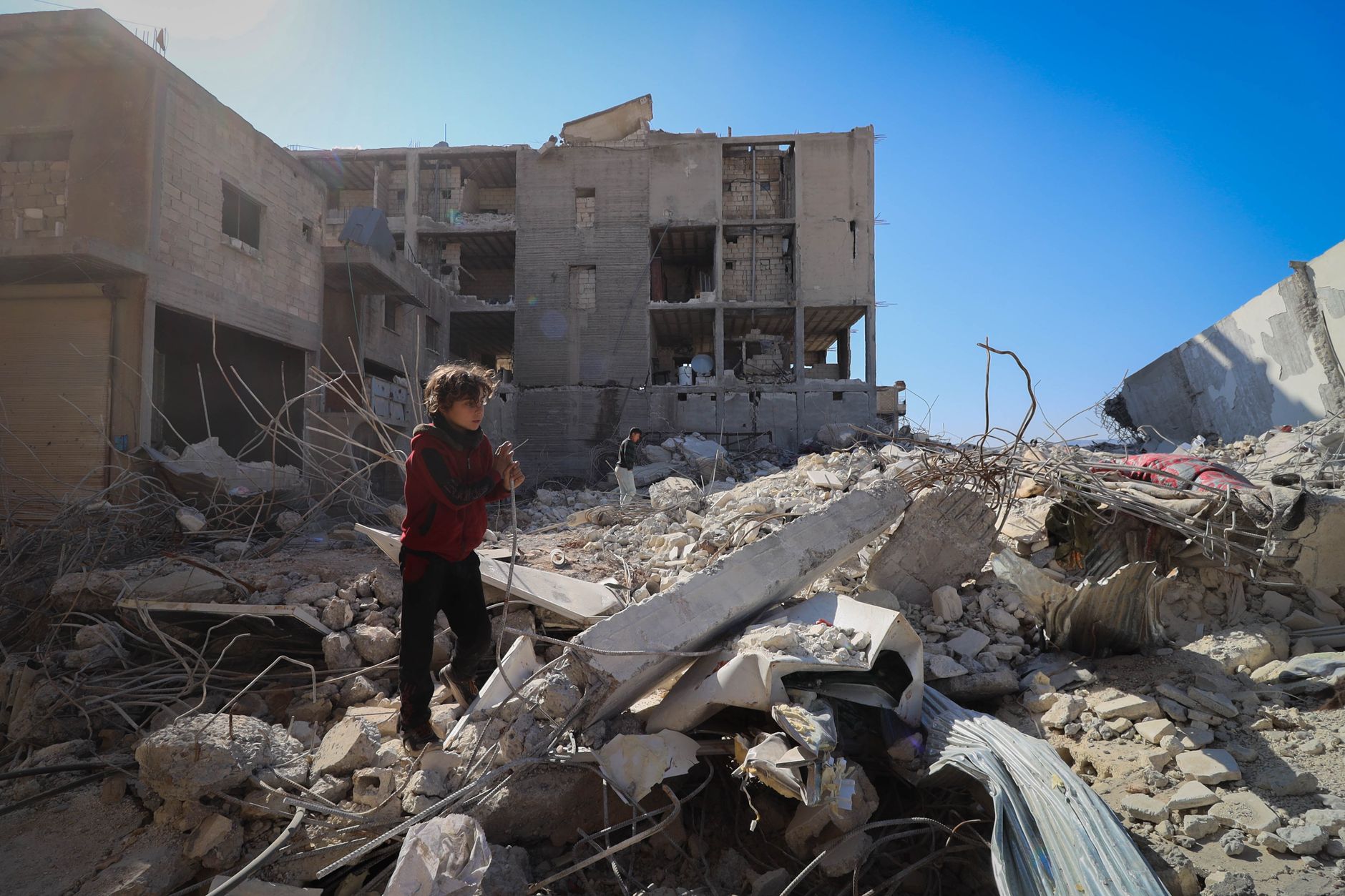
Recent Israeli air attacks and gunfire have reportedly killed nine Palestinians in Gaza, including two children, despite an active ceasefire. Medics in the region confirmed these casualties following the latest escalation of hostilities. This development raises serious concerns about the stability of the current peace arrangements and the safety of civilians in the Gaza Strip.
Readers will learn about the immediate impact of these incidents, the broader context of the ceasefire, and the potential implications for regional stability moving forward.
- Nine Palestinians, including two children, were killed in recent Israeli attacks in Gaza.
- These incidents occurred despite an existing ceasefire agreement.
- Medical sources confirmed the casualties, highlighting the immediate human cost.
- The violations threaten the fragile peace and raise international humanitarian concerns.
Understanding the Ceasefire Context
The recent violence unfolded against a backdrop of an established ceasefire agreement. This accord was intended to halt hostilities and provide a degree of stability to the region. However, its effectiveness is now under scrutiny following these reported breaches.
Such agreements are often complex, involving multiple parties and intricate stipulations. They typically aim to prevent further loss of life and facilitate humanitarian efforts. Violations, regardless of their scale, can rapidly undermine trust and escalate tensions.
What Led to These Renewed Hostilities?
Details surrounding the specific triggers for these latest attacks remain a critical point of investigation. Initial reports from medics indicate both air attacks and ground gunfire contributed to the casualties. This suggests a multi-faceted engagement rather than isolated incidents.
Breaches of ceasefires can stem from various factors. These include retaliatory actions, misinterpretations of agreements, or deliberate provocations. Each incident requires careful examination to ascertain its origin and prevent further escalation.
The Human Cost: Civilian Casualties in Gaza
The confirmed deaths of nine Palestinians underscore the severe humanitarian impact of the ongoing conflict. Among the deceased were two children, a tragic reminder of the vulnerability of non-combatants. Such losses frequently ignite widespread condemnation and calls for protection.
Civilian casualties are a persistent and devastating feature of conflicts globally. International law provides frameworks for protecting civilians during armed conflict. Yet, adherence to these principles remains a significant challenge in many active zones.
Immediate Responses and International Reactions
Following the reports, international bodies and humanitarian organizations are closely monitoring the situation. Calls for de-escalation and adherence to the ceasefire are expected to intensify. Diplomacy often plays a crucial role in managing such volatile situations.
Statements from involved parties will likely offer differing accounts and justifications. These narratives often shape public opinion and influence diplomatic efforts. The immediate priority remains preventing further loss of life and restoring a semblance of calm.
Evidence and Perspectives on Civilian Protection
The protection of civilians in armed conflict zones is a foundational principle of international humanitarian law. Organizations like the United Nations Office for the Coordination of Humanitarian Affairs (OCHA) consistently document the impact of hostilities on civilian populations. Their data frequently highlights the disproportionate suffering of non-combatants, including women and children.
For instance, OCHA reports often detail the challenges faced by medical personnel in conflict zones. These reports emphasize the critical need for safe access and the protection of healthcare facilities. Such documentation provides vital evidence for understanding the realities on the ground and advocating for compliance with international norms, as detailed in various mandates of UN humanitarian operations.
Expert analyses consistently point to the fragility of ceasefires without robust monitoring mechanisms. They also stress the importance of accountability for violations. Without these elements, trust begins to erode, and agreements become increasingly difficult to sustain.
Implications for Regional Stability and Future Peace Efforts
These recent incidents pose a significant threat to the fragile stability in the Gaza Strip. Violations of an existing ceasefire can quickly unravel diplomatic progress. This makes future peace negotiations considerably more challenging.
The humanitarian situation in Gaza remains a critical concern. Renewed violence exacerbates existing challenges, including access to essential services and reconstruction efforts. Sustained peace is vital for addressing these long-standing issues effectively.
Going forward, robust international engagement will be crucial. Efforts must focus on reinforcing the ceasefire and ensuring accountability for any breaches. This is essential to prevent a wider escalation and safeguard civilian lives in the region.


