
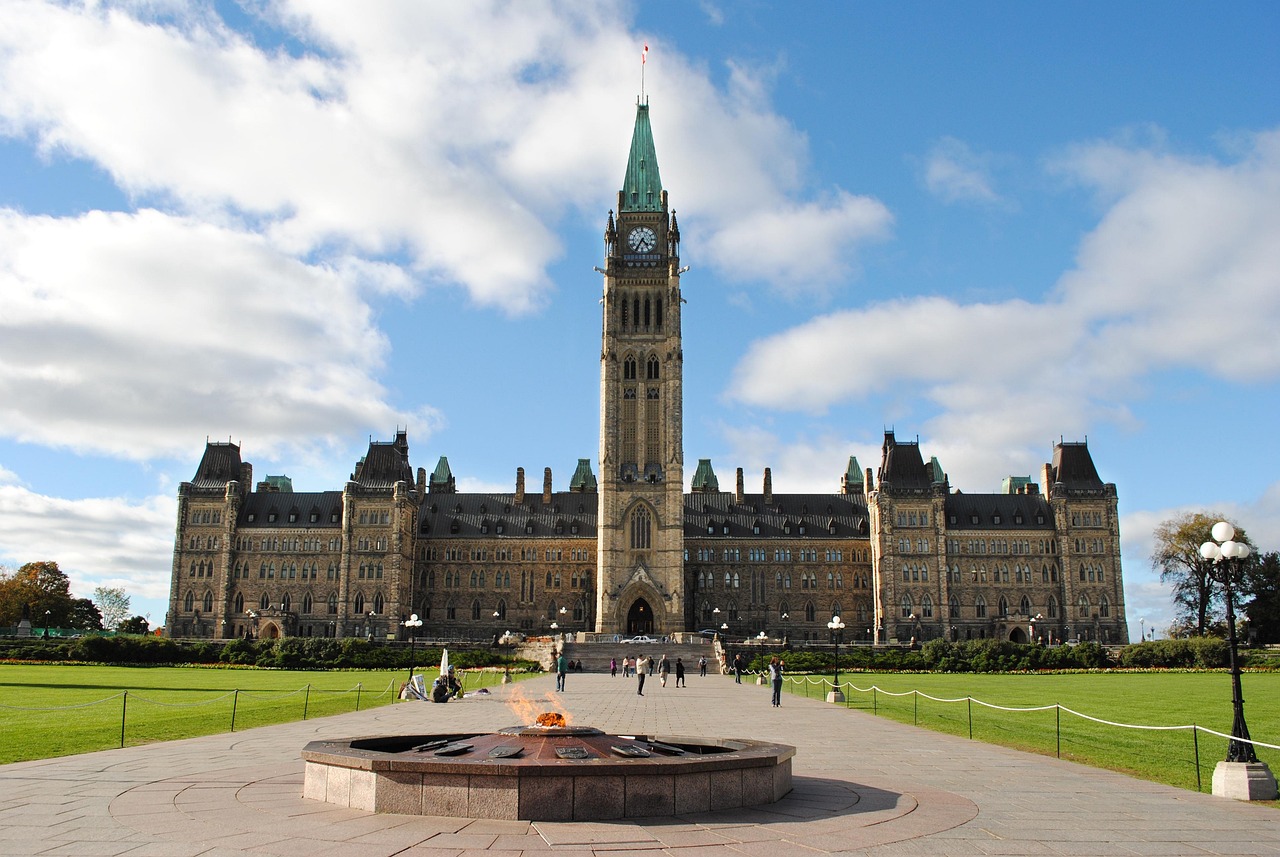
Federal authorities are addressing escalating transnational security threats in Canada following serious allegations against a foreign organized crime lead. This development complicates Canada-India diplomatic relations during a period of intense geopolitical scrutiny. Concurrently, domestic policymakers are debating economic strategies to counter shifting trade policies from the United States. Readers will learn how these security breaches and trade tensions reshape Canadian foreign policy.
- Allegations of foreign-linked gang violence have heightened national security priorities across Canada.
- Diplomatic tensions continue to complicate intelligence sharing and bilateral trade discussions.
- Economic leaders face domestic pressure to align trade strategies with changing United States policies.
- Federal agencies are strengthening legal frameworks to curb foreign interference and illicit financing.
How did these security concerns escalate?
For several quarters, Canadian intelligence agencies have monitored foreign networks operating within domestic borders. Recent reports implicate an international syndicate leader in masterminding targeted violent incidents across multiple provinces.
Consequently, local law enforcement agencies have increased cooperation with federal investigators to track illicit financial flows. These activities have drawn sharp criticism from parliamentary committees demanding stronger protective measures.
Historically, Canada has maintained a reputation as a safe haven for diverse communities. However, recent events suggest that global rivalries are increasingly playing out on Canadian soil.
This shift has forced security agencies to re-evaluate their domestic intelligence priorities. As a result, government officials are facing growing public pressure to deliver concrete answers.
Furthermore, the intersection of organized crime and foreign state actors presents a novel challenge. Traditional policing methods often struggle to address these highly sophisticated, state-sponsored networks.
What do these threats mean for Canadian sovereignty?
Transnational networks frequently exploit jurisdictional gaps to conduct illicit operations. Because of this, security experts argue that modern policing requires deeper international cooperation.
According to official reports from the Public Safety Canada national security framework, coordinated efforts are essential to dismantle foreign interference. This approach aims to secure vulnerable communities from external intimidation.
Furthermore, legal experts warn that diplomatic friction hinders the extradition of key suspects. This reality leaves Canadian prosecutors with limited options to resolve ongoing investigations.
In response, some lawmakers are calling for updated judicial tools to prosecute foreign agents. They argue that existing statutes do not adequately address modern espionage and transnational coercion.
Additionally, community leaders have expressed deep concern over the safety of diaspora groups. Many individuals fear retaliation for expressing political views that oppose foreign governments.
To address these fears, federal police have established dedicated hotlines for reporting foreign interference. Yet, building trust within affected communities remains a slow and challenging process.
How does economic policy intersect with these challenges?
At the same time, Canada faces significant pressure on the economic front. Prominent financial figures, including Mark Carney, have recently debated the best approach to navigate trade relations with the United States.
Some analysts suggest that resisting protectionist policies from Washington could backfire on Canadian industries. Therefore, balancing national security with economic stability remains a delicate task for Ottawa.
Indeed, businesses require stable borders and predictable trade agreements to thrive. If security tensions persist, international investors may view the Canadian market as increasingly volatile.
Moreover, Canada’s reliance on international trade makes it highly sensitive to diplomatic disputes. A prolonged standoff with major trading partners could disrupt critical supply chains.
For instance, agricultural and manufacturing sectors are particularly vulnerable to sudden trade barriers. Consequently, industry leaders are urging the federal government to prioritize diplomatic resolution.
In addition, the domestic debates highlight differing philosophies on economic resilience. Some advocate for closer alignment with North American allies, while others push for broader global diversification.
What are the implications for international alliances?
Canada’s traditional allies are closely watching how Ottawa handles these overlapping crises. The country’s intelligence-sharing capabilities within the Five Eyes alliance are under intense scrutiny.
If Canada fails to secure its borders, allies may hesitate to share sensitive information. Such a development would severely weaken the nation’s collective defence capabilities.
Conversely, demonstrating strong resolve could reinforce Canada’s position as a reliable security partner. This requires significant investments in cyber security and intelligence infrastructure.
Furthermore, international partners are facing similar threats from foreign interference. Collaborative strategies are currently being discussed at various global security summits.
By aligning policies with democratic allies, Canada can better resist coercive economic and political tactics. This collective approach remains vital in an increasingly fragmented global landscape.
What are the next steps for policy leaders?
Going forward, Ottawa must strengthen its domestic defence mechanisms while maintaining open channels for international trade. This dual challenge demands bipartisan cooperation and swift legislative action.
Ultimately, safeguarding communities from foreign threats will dictate the country’s geopolitical standing. Resolving these complex security and economic issues will shape Canadian prosperity for years to come.
To succeed, policymakers must balance assertive diplomacy with robust domestic protection measures. Only a comprehensive, unified strategy can secure Canada’s future in a turbulent world.


