
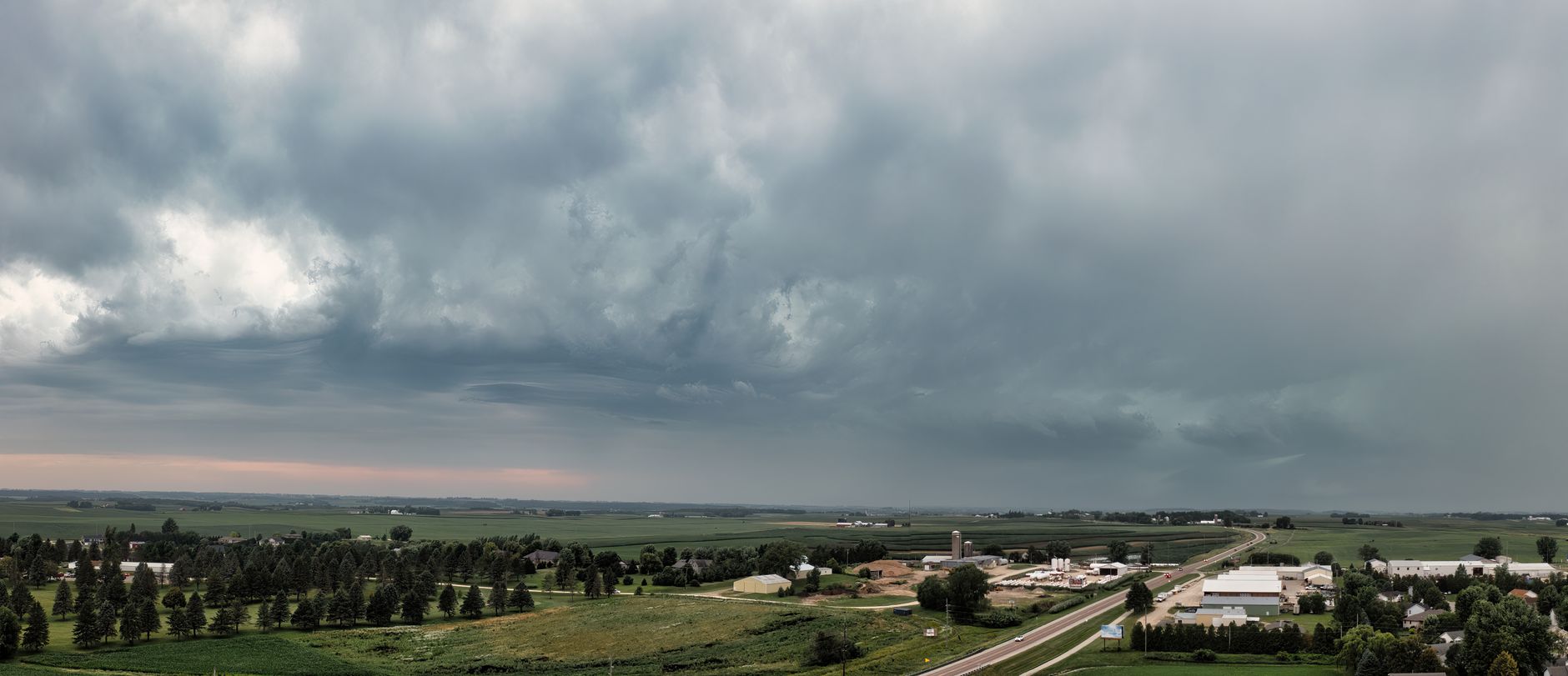
Weather researchers are deploying advanced high-tech sensors across Alberta’s infamous “Hail Alley” to study severe storms.
The Northern Hail Project recently launched this initiative to capture real-time data on ice stone impact.
This targeted hailstorm monitoring in Calgary aims to revolutionize how meteorologists predict destructive weather events.
You will learn how these new sensors function and what this data means for local infrastructure resilience.
- The Northern Hail Project is deploying new physical sensors across Alberta’s high-risk storm corridor.
- Calgary’s unique geography makes it a premier global laboratory for studying severe convective storms.
- This research aims to improve early warning systems and reduce millions of dollars in property damage.
Why Alberta is the epicentre of severe summer weather
Central Alberta regularly experiences some of the most severe hailstorms in North America.
This region features a unique mix of high elevation and cool mountain air currents.
Consequently, these factors create the perfect breeding ground for massive convective storms every summer.
How do the new Northern Hail Project sensors track storm severity?
The newly designed sensors record the kinetic energy of falling hail stones in real time.
Previously, researchers relied heavily on manual reports and post-storm public surveys.
Now, these automated stations measure the exact impact force of each falling stone.
According to scientific guidelines from Western University engineering departments, understanding kinetic impact is vital for safety.
This physical data helps engineers design stronger, more resilient building materials for homes.
Why is Calgary uniquely situated for this atmospheric research?
Calgary sits directly in the path of moist air masses colliding with dry mountain winds.
Storms often travel for several kilometres across the foothills before hitting urban neighbourhoods.
This atmospheric collision leads to incredibly rapid storm development over the city.
Therefore, researchers can observe multiple severe weather events within a single local region.
The city essentially serves as a living laboratory for meteorologists studying climate patterns.
What does the data reveal about changing storm patterns?
In recent years, insurance claims from severe weather in Alberta have climbed dramatically.
For instance, a single major storm can cause billions of dollars in localized property damage.
Experts from the Northern Hail Project emphasize that precise ground-level data is currently lacking.
By collecting physical samples and sensor readings, the team builds a highly accurate database.
How will this research protect Canadian communities?
Improved tracking directly translates to better warning times for local residents.
Furthermore, municipal planners can use this data to update local building codes.
For example, roofing materials can be tested against realistic hail impacts in simulated environments.
As the project continues to expand its sensor network, the gathered data will reshape meteorological standards.
Residents and businesses alike stand to benefit from more accurate, timely storm warnings.
By turning natural weather challenges into scientific opportunity, researchers are paving the way for a resilient future.


