
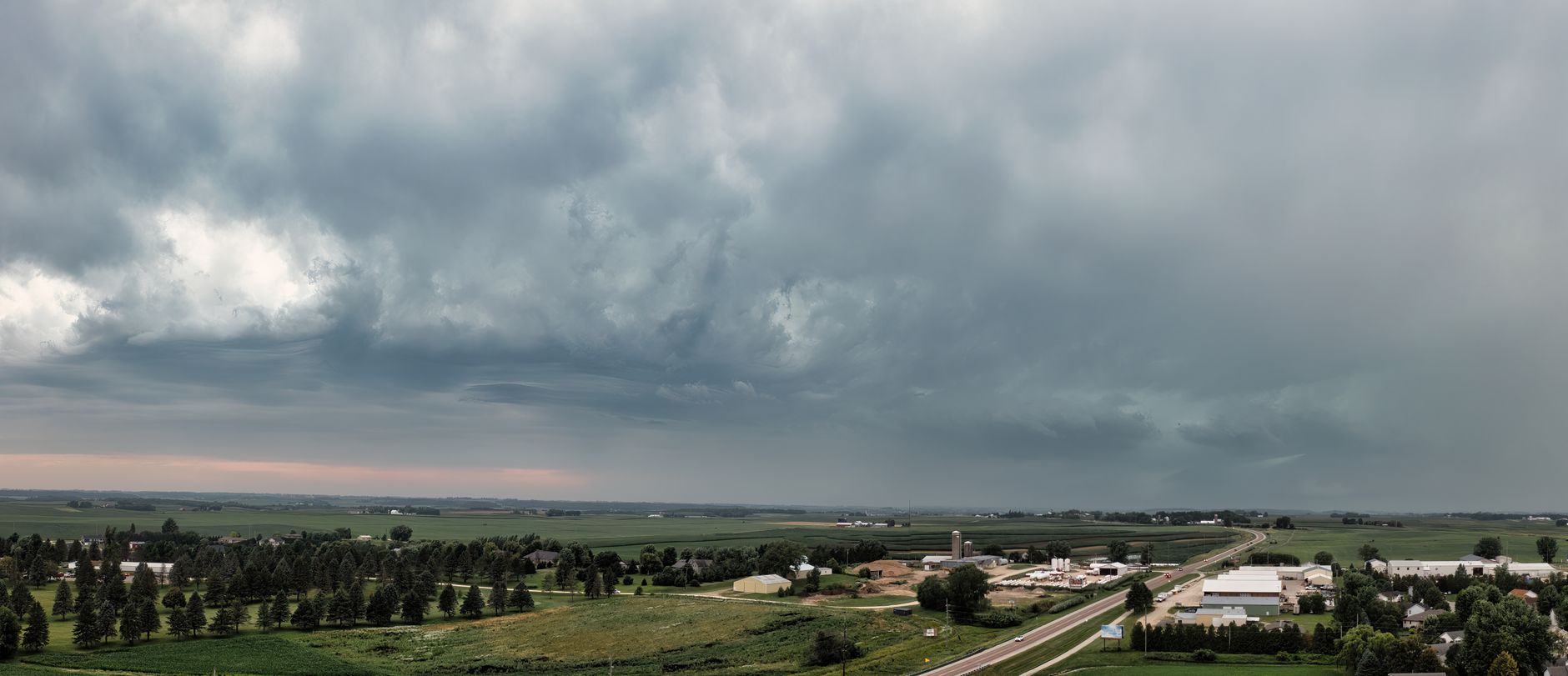
Recent severe weather events in Alberta have triggered a massive wave of insured storm damage in Edmonton and surrounding communities.
This volatile weather culminated in an estimated $230 million in insurance claims.
According to the Insurance Bureau of Canada, two major storms devastated local infrastructure, residential properties, and vehicles.
In this report, you will learn about the financial impact of these storms and how to protect your assets.
- Two severe storms in the Edmonton region caused an estimated $230 million in insured damages.
- The Insurance Bureau of Canada warns that severe weather events are escalating insurance costs across Alberta.
- Homeowners must document all property damage immediately to ensure successful insurance claims.
- Industry experts anticipate rising premiums as a direct result of these localized climate disasters.
Why Did the Edmonton Storms Cause Such Massive Damage?
The destructive storms brought a combination of torrential rain, localized flooding, and large hail.
These elements quickly overwhelmed municipal drainage systems in several neighbourhoods.
As a result, hundreds of basements suffered severe water damage.
Additionally, high winds tore shingles from roofs and downed mature trees onto parked vehicles.
According to industry reports, the sheer volume of simultaneous claims has put immense pressure on local restoration companies.
Adjusters have been working overtime to assess the widespread destruction across the region.
What Specific Areas Experienced the Worst Impact?
The severe storms targeted both suburban residential areas and commercial zones.
In particular, outer residential communities saw significant exterior damage due to relentless hail.
Siding on newer homes was punctured, and windows were shattered by the high-velocity ice.
Meanwhile, commercial properties experienced significant business interruptions.
Flooded parking lots prevented customers from accessing retail locations for several days.
This disruption added indirect economic losses to the direct physical damage.
What Does This Mean for Alberta Insurance Premiums?
Such substantial losses inevitably influence the broader financial landscape.
Insurance providers must balance their risk portfolios to remain solvent.
Therefore, policyholders across Alberta will likely see adjustments to their premiums in the coming cycles.
Furthermore, the rising cost of building materials compounds this financial issue.
Some insurers may also adjust coverage limits or increase deductibles for water and hail damage.
Consequently, consumers should review their policies to understand their current level of protection.
How Do Adjusters Process Large-Scale Storm Claims?
In the wake of major disasters, insurance companies deploy specialized catastrophe response teams.
These adjusters travel directly to the hardest-hit areas to expedite the assessment process.
However, the sheer volume of claims can lead to unavoidable processing delays.
To speed up the process, policyholders should submit digital photos immediately.
Keeping detailed logs of all communications with insurers is also highly recommended.
This documentation helps prevent misunderstandings and ensures a smoother settlement.
How Are Industry Experts Responding to the Crisis?
The escalating cost of natural disasters is a primary concern for Canadian financial institutions.
To address these systemic risks, the Insurance Bureau of Canada has actively advocated for enhanced climate adaptation strategies.
The bureau emphasizes that proactive investments in resilient infrastructure can mitigate future losses.
For instance, upgrading storm sewers and reinforcing roofs can significantly reduce damage.
Moreover, climatologists warn that these volatile weather patterns are no longer anomalies.
Instead, they represent a new baseline for Western Canadian weather.
How Can Homeowners Protect Themselves Against Future Storms?
Preparation remains the most effective defence against severe weather.
Homeowners should take immediate steps to safeguard their properties before the next storm hits.
First, installing a backwater prevention valve can stop sewage from backing up into basements.
Second, maintaining clean gutters ensures rainwater flows away from foundations.
Additionally, taking a detailed home inventory before any damage occurs simplifies the claims process.
Photographing valuable items and storing receipts digitally can expedite reimbursement.
As Edmonton recovers from this expensive double-storm event, the focus shifts toward long-term resilience.
Adapting to this volatile climate reality requires cooperation between governments, insurers, and property owners.
By taking proactive measures today, Albertans can better protect their homes and financial security against unpredictable elements.


