
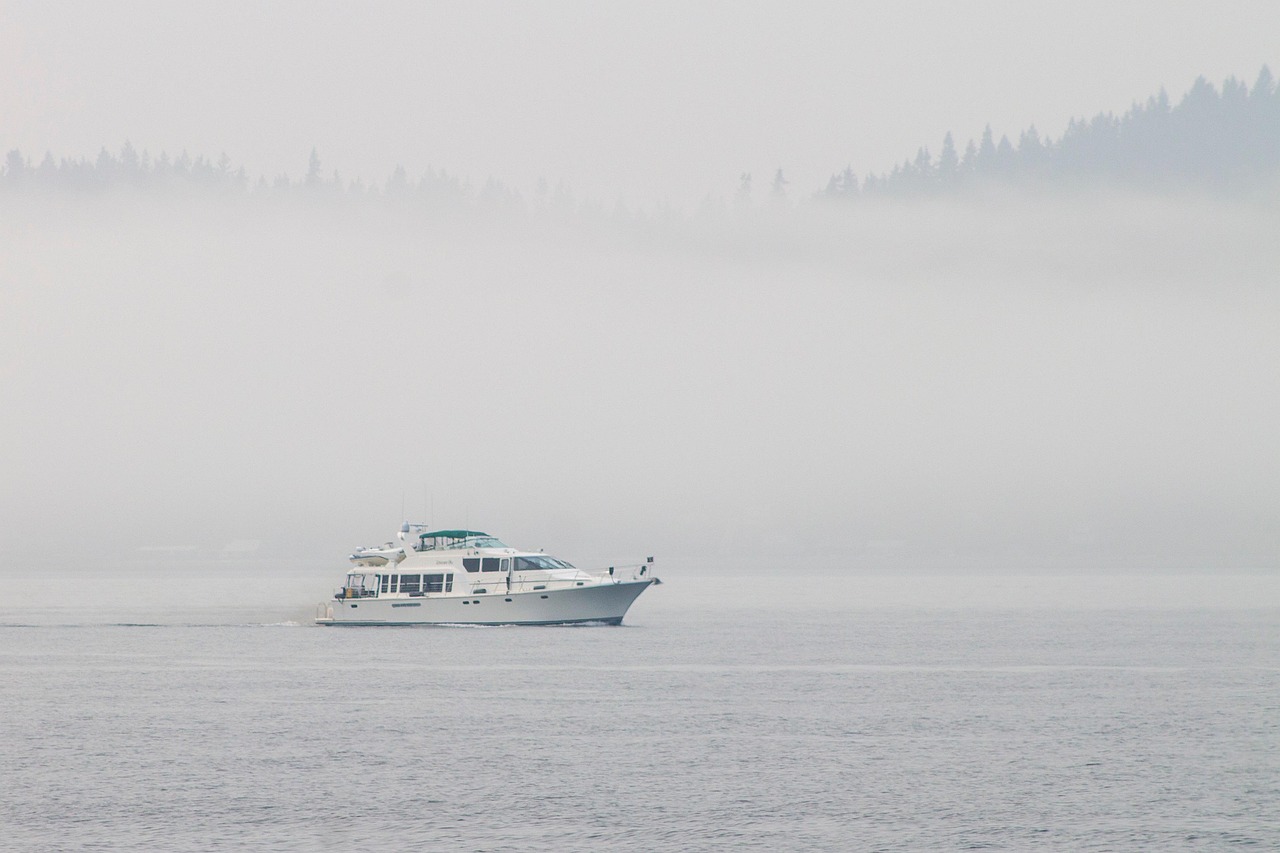
Alberta is experiencing fewer active blazes during the 2026 Alberta wildfire season. However, persistent smoke still blankets major municipalities. Officials confirm that while fire suppression succeeds, atmospheric conditions trap fine particulate matter across Western Canada. This article details why wildfire numbers dropped, why air quality remains hazardous, and how residents can protect their health.
- Active wildfire numbers in Alberta have decreased compared to recent record-breaking years.
- Persistent atmospheric pressure systems are trapping smoke, causing severe air quality issues.
- Health officials urge vulnerable populations to monitor local air quality indexes closely.
Understanding the Context of Alberta’s Wildfire Management
Historically, Alberta has grappled with intense wildfire cycles during the summer months. Dry spring conditions often set the stage for rapid fire spread across vast boreal forests.
In response to previous crises, the province overhauled its emergency management framework. This reform allowed for faster deployment of resources to high-risk zones.
Additionally, researchers have worked closely with forestry officials to map vulnerable vegetation. These maps help predict where fires are most likely to ignite.
As a result of these efforts, response teams have successfully contained many fires before they grew out of control.
Why is Alberta experiencing fewer wildfires this year?
Increased precipitation in key regions has helped dampen forest fuels. Additionally, Alberta Wildfire has deployed advanced monitoring systems to catch blazes early.
Enhanced public awareness campaigns have also reduced human-caused ignitions significantly. Furthermore, mutual aid agreements with international partners have strengthened local response capacities.
These combined efforts have kept the total burned area well below historic averages. However, officials warn that the season is far from over.
Why does the air quality remain poor despite fewer fires?
Even with fewer local fires, upper-level winds transport smoke from neighbouring jurisdictions. Air currents frequently carry particulate matter from active blazes in adjacent provinces and territories.
Additionally, stagnant weather patterns create temperature inversions over major urban centres like Calgary and Edmonton. This meteorological phenomenon traps pollutants close to the ground, preventing smoke from dispersing.
According to the official Environment and Climate Change Canada air quality report, particulate levels regularly exceed safe thresholds. Consequently, blue skies remain rare despite the lower number of active local blazes.
What do atmospheric scientists say about this trend?
Meteorologists point to shifting jet stream patterns as a primary driver of the current air quality crisis. These wind patterns dictate how smoke travels across North America.
“Even a single large fire can compromise air quality thousands of kilometres away,” explains one regional climate analyst.
Consequently, local fire counts do not tell the whole story. Furthermore, drier soil conditions in surrounding regions contribute to dust and secondary pollutants. This compounding effect worsens the overall atmospheric conditions.
How does the current situation impact local businesses and outdoor workers?
Outdoor industries face unique challenges during periods of poor air quality. For instance, construction crews must adjust their schedules to protect workers from prolonged exposure.
Employers are increasingly implementing mandatory rest breaks in air-conditioned spaces. Some companies also provide specialized protective equipment during high-risk days.
Furthermore, the tourism sector experiences fluctuating visitor numbers due to reduced visibility. Popular mountain destinations often see fewer bookings when smoke obscures scenic views.
Consequently, local businesses are developing contingency plans to mitigate seasonal financial losses. These adaptations are becoming essential for economic survival in the region.
How can residents protect themselves from persistent wildfire smoke?
Exposure to fine particulate matter poses serious risks to respiratory and cardiovascular health. Therefore, individuals must adapt their daily routines to minimize inhalation of toxic particles.
Health authorities recommend staying indoors when the air quality index reaches high-risk levels. Running high-efficiency particulate air (HEPA) filters inside homes can significantly clean indoor air.
Additionally, wearing well-fitted N95 respirators outdoors provides essential protection against fine debris. Residents should also limit strenuous physical activities during peak smoke hours.
What are the long-term implications for Alberta?
The disconnect between active fire counts and air quality highlights a complex environmental challenge. It demonstrates that wildfire impacts are regional rather than purely local.
As a result, municipal planning must evolve to address chronic seasonal smoke. Building codes may soon require advanced air filtration systems in public facilities.
Ultimately, adapting to these atmospheric changes is vital for public health. Continued investment in both fire prevention and air monitoring will shape the province’s resilience.


