
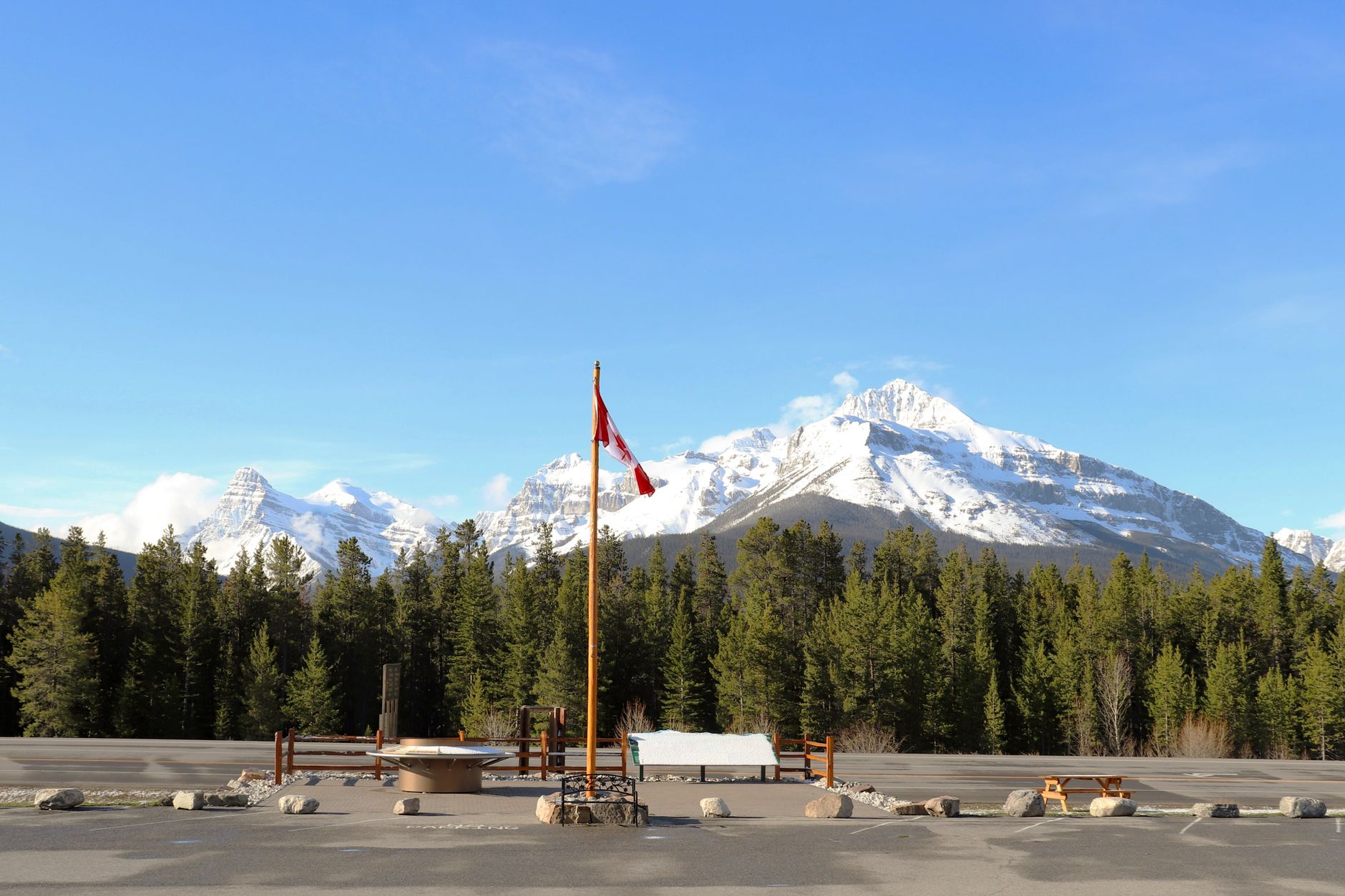
A high-stakes debate over Canadian federalism is intensifying across Western Canada. As Alberta approaches a critical vote, provincial and national flags have become polarizing symbols of identity. This upcoming Alberta independence referendum will decide if the province remains in Canada or pursues a binding separation process. In this report, you will discover how these symbols fuel division and what this vote means for the nation.
- The Alberta and Canadian flags have transformed into competing symbols of regional sovereignty and national unity.
- Voters will soon decide whether to remain in the federation or trigger a second, binding referendum on leaving.
- Legal experts warn that any path to secession faces immense constitutional hurdles under Canadian law.
The Road to the Referendum
Tensions between Edmonton and Ottawa have simmered for decades. Recently, these frustrations culminated in formal legislative steps toward a provincial vote.
Albertans are grappling with deep questions about economic fairness and regional representation. Consequently, local communities are increasingly divided over their political future.
Historically, energy policies and federal equalization payments have fueled regional alienation. Now, those systemic grievances have crystallized into a tangible choice about sovereignty.
Many residents feel the federal government systematically ignores Western economic contributions. This perception has energized grassroots movements advocating for total independence.
Why Are Provincial and National Flags Driving a Wedge in Alberta?
Flags normally represent shared pride and community. However, in modern Alberta, they now signal opposing political alignments.
The provincial flag has become a rallying cry for self-determination. Supporters of autonomy prominently display it to demand greater local control.
Conversely, the maple leaf represents a commitment to national unity. For many, flying the Canadian flag asserts a desire to remain within the federal framework.
This visual divide is visible on homes, businesses, and vehicles. As a result, everyday spaces have turned into quiet ideological battlegrounds.
Community leaders express concern over this growing social fragmentation. They note that symbolic disputes make constructive dialogue much harder to achieve.
What Are the Legal and Economic Stakes of the Vote?
The upcoming ballot presents voters with a monumental decision. A vote to leave would trigger unprecedented constitutional negotiations.
However, unilateral secession is not legally permissible under the Canadian constitution. Any separation process must adhere to strict legal frameworks.
According to the Supreme Court of Canada landmark secession ruling, a clear majority on a clear question is required. Even then, negotiations with all provinces would be mandatory.
Economically, the stakes are equally massive for Western Canada. Alberta possesses vast natural resources that drive national prosperity.
A separation attempt could disrupt trade corridors and investor confidence. Conversely, sovereignty advocates argue it would keep tax revenues within provincial borders.
Financial analysts remain divided on the long-term impacts. Some warn of capital flight, while others predict regulatory freedom would boost local industries.
How Do Experts and Citizens View the Impending Choice?
Public opinion across the province remains highly fractured. Polling indicates a deeply split electorate with passionate views on both sides.
“We are witnessing a profound shift in how Albertans view their identity,” says one political sociologist. “The division is no longer just political; it is deeply cultural.”
Many rural communities show strong support for the sovereignty movement. They feel neglected by distant federal decision-makers.
In contrast, urban centres like Calgary and Edmonton lean toward preserving federal ties. Diverse populations in these cities worry about the economic fallout of separation.
Business coalitions have urged caution, citing the need for economic stability. They emphasize that prolonged uncertainty harms local job creation.
Activists on both sides are launching major advertising campaigns. These efforts aim to sway the significant block of undecided voters before voting day.
What Does This Mean for the Future of Canadian Federalism?
The outcome of this vote will reverberate far beyond Alberta’s borders. Other provinces are watching the situation with intense interest.
A strong showing for the sovereignty movement could inspire similar pushback in other regions. Consequently, federal leaders face growing pressure to address regional grievances.
Reforming the equalization system is one potential path to ease tensions. However, finding a consensus among ten distinct provinces remains incredibly difficult.
The federal government has pledged to work collaboratively with provincial leaders. Yet, trust between the two levels of government remains at an all-time low.
Ultimately, the debate challenges the very fabric of Canadian identity. It forces a reassessment of what it means to be part of a diverse federation.
Constitutional experts suggest that a major restructure of federal powers may be necessary to preserve national unity.
As the referendum approaches, the need for respectful dialogue becomes urgent. Families and neighbours must find ways to discuss these complex issues without hostility. The flags flying across the province should serve as reminders of democratic engagement, rather than tools of exclusion. Regardless of the vote’s outcome, the social scars from this period will require time to heal. Albertans face a historic choice that will define their community and country for generations to come.


