
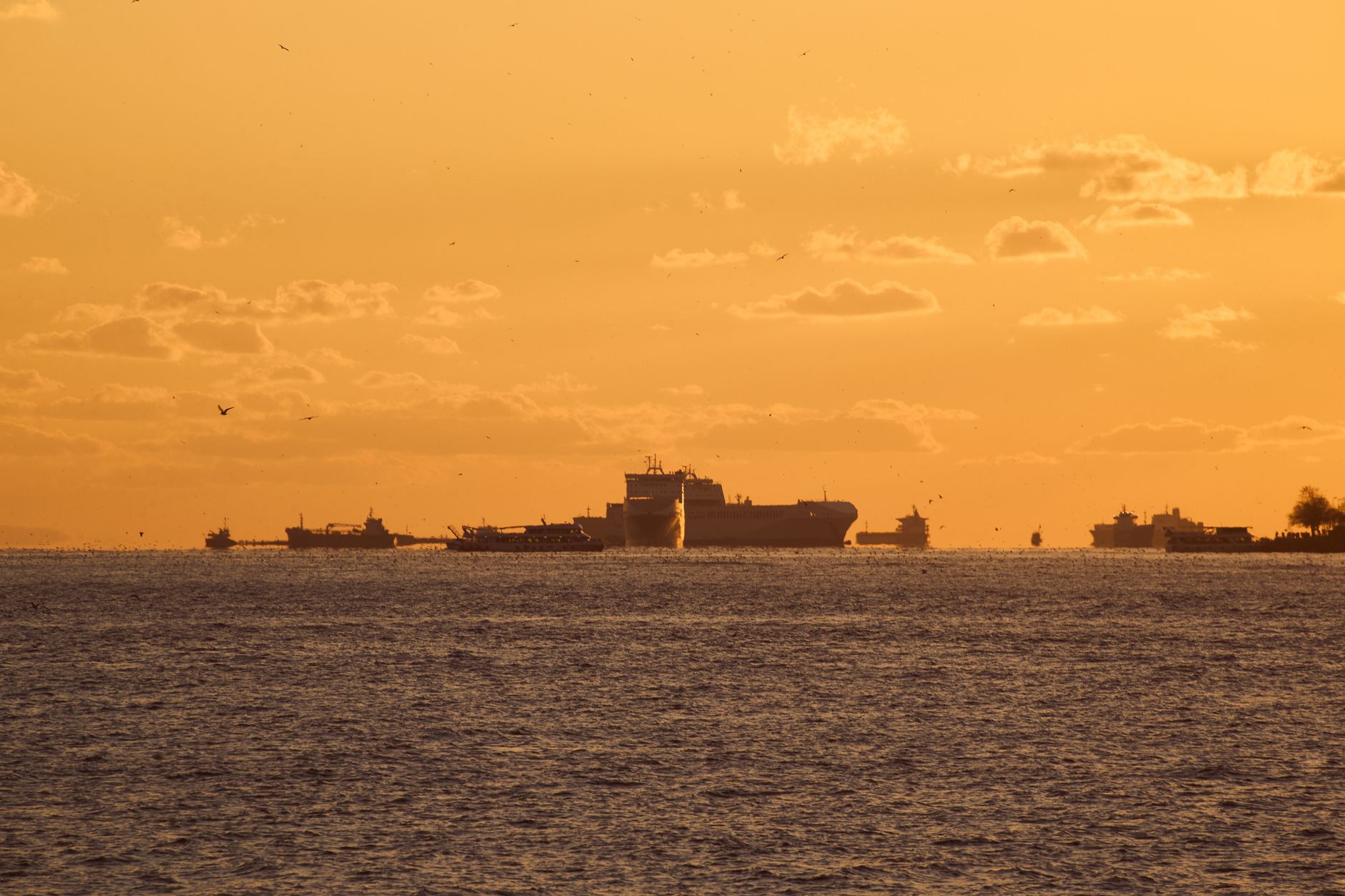
Tehran has suspended direct talks with Washington, disrupting progress on a critical maritime security agreement. The sudden collapse of these highly anticipated Strait of Hormuz diplomatic talks has renewed concerns over global energy security. Recent diplomatic efforts mediated by Oman aimed to reopen the vital shipping corridor. However, Iranian officials halted direct negotiations, citing ongoing economic pressures. Readers will learn how this diplomatic freeze impacts global oil markets, maritime shipping routes, and international security strategies.
- Iran has officially halted direct diplomatic talks with the United States regarding the Strait of Hormuz.
- Oman-mediated negotiations previously brought both nations close to a historic maritime security agreement.
- The United States maintains a strategy of economic pressure, waiting for sanctions to soften Tehran’s stance.
- Global energy markets face renewed volatility as shipping corridors in the Middle East remain highly contested.
Why Did the Strait of Hormuz Diplomatic Talks Collapse?
The decision to halt direct talks stems from deep-seated economic friction. Iranian officials claim that direct dialogue with Washington is currently unproductive. Meanwhile, the United States has adopted a patient, observant strategy.
Washington believes that prolonged economic pressure will eventually force Tehran to make deeper concessions. This calculated stalemate has stalled progress on key maritime security protocols. Consequently, shipping companies must prepare for continued instability in the region.
Additionally, domestic political pressures in both countries have complicated the negotiation process. Leaders face intense scrutiny from internal factions opposing any perceived compromise. This political polarization makes reaching a sustainable bilateral agreement exceptionally difficult at this time.
How Will Global Energy Markets Respond to the Standstill?
Energy analysts warn that prolonged diplomatic silence could trigger immediate oil price fluctuations. The Strait of Hormuz handles a massive portion of the world’s daily petroleum transit. According to the U.S. Energy Information Administration analysis of global maritime chokepoints, this channel remains vital for global energy.
Any threat of closure or disruption directly impacts international oil supply chains. Canadian energy firms are closely monitoring these developments for potential market ripples. Even minor security threats in the Persian Gulf can cause rapid price spikes at local pumps.
Furthermore, global shipping routes may require expensive diversions if security risks continue to escalate. Longer transit times around the African continent would drastically increase fuel costs for international carriers. These added expenses would inevitably be passed down to consumers worldwide.
What Role is Oman Playing in the Current Crisis?
Oman has long positioned itself as a neutral diplomatic bridge in the Middle East. Muscat facilitated the initial rounds of talks to prevent regional escalation. However, mediating between two deeply distrustful nations presents immense challenges.
Omani officials continue to advocate for indirect communication channels. They remain hopeful that dialogue can resume once economic tensions ease. For now, Oman’s diplomatic patience remains the only remaining link between the opposing sides.
The sultanate has historically succeeded in cooling regional tensions during previous diplomatic standoffs. Their current strategy focuses on maintaining quiet, behind-the-scenes dialogue to prevent complete communication breakdowns. This low-profile diplomacy remains essential for regional stability.
What Do These Geopolitical Tensions Mean for Maritime Shipping?
Commercial shipping lines must now navigate increased risk levels in the Gulf. Insurance premiums for cargo vessels transiting the strait are expected to rise. Security agencies advise crews to exercise extreme caution when passing through these waters.
Furthermore, international naval coalitions are maintaining a highly visible presence in the region. This collective defence strategy aims to deter potential hostile actions against commercial tankers. However, military presence alone cannot replace a permanent diplomatic solution.
Ship operators are also investing heavily in advanced onboard security measures. These precautions include hiring private maritime security teams and implementing enhanced radar tracking systems. Despite these efforts, the underlying geopolitical risks can only be resolved through sustained political dialogue.
The path toward a stable maritime agreement remains highly complex and unpredictable. Industry leaders must prepare for a prolonged period of elevated security risks and fluctuating operational costs.
As diplomatic channels remain frozen, the global community must adapt to a more volatile maritime environment. Navigating this challenging landscape will require both strategic resilience and continuous vigilance from international stakeholders.


