Northern Alberta pumpkin patch owners face unprecedented challenges this harvest season. A remarkably wet summer has severely damaged local crops. Readers will learn how extreme weather forces farmers to adopt unusual business models. Many now import gourds or charge admission fees to survive. This unexpected Alberta pumpkin shortage highlights the vulnerability of regional agri-tourism.
- Excessive summer rainfall in northern Alberta has severely damaged local pumpkin crops.
- Local growers are implementing unprecedented survival strategies, including charging admission fees.
- The crisis highlights the growing vulnerability of Canadian agri-tourism to extreme weather events.
Historically, autumn harvest festivals represent a crucial revenue stream for northern Alberta farms. However, recent weather patterns disrupted this vital seasonal economy. Heavy rainfall saturated fields throughout the summer months.
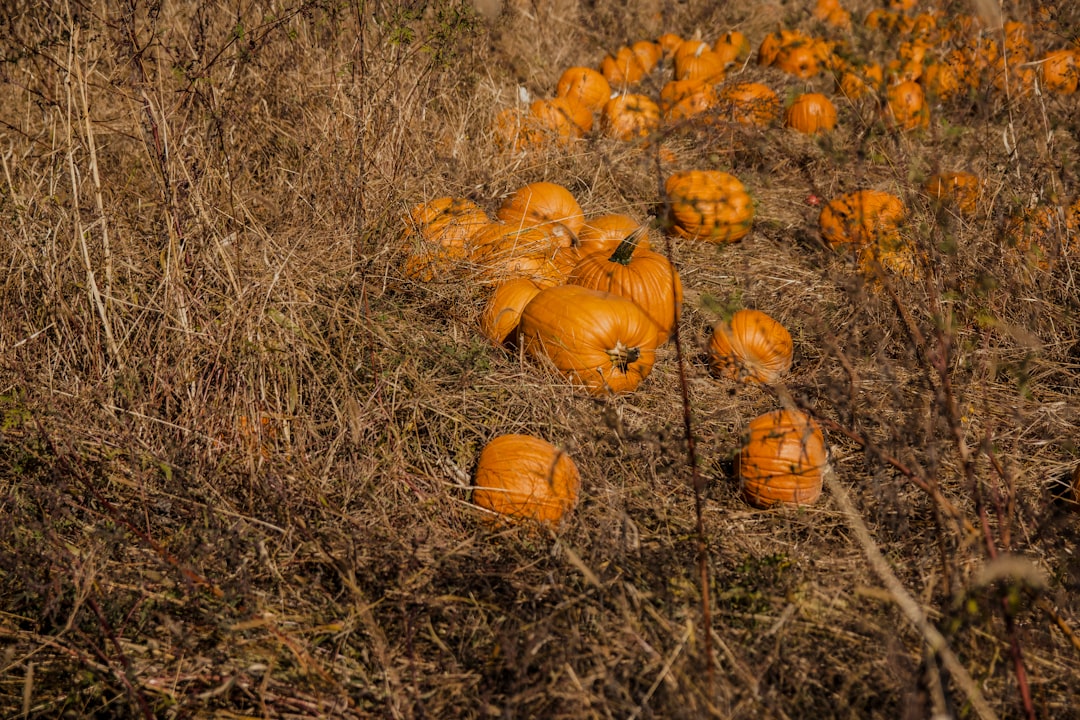
Consequently, the excessive moisture prevented pumpkins from growing to maturity. Many gourds rotted directly on the vine. This sudden crop failure left local operators with empty fields before their scheduled autumn openings.
How is the wet weather impacting local pumpkin yields?
Excessive moisture creates a breeding ground for destructive plant pathogens. Pumpkin crops require warm, dry conditions during late summer to mature properly. Instead, persistent rains waterlogged the soil across northern Alberta.
As a result, many growers report near-total crop failures. The lack of healthy gourds threatens the traditional autumn farm experience. Without intervention, many local patches faced empty fields ahead of their busiest season.
Furthermore, waterlogged soil deprives plant roots of essential oxygen. This stress stunts growth and makes the surviving plants highly vulnerable to pests. Consequently, the pumpkins that did survive are often misshapen or discoloured.
What survival strategies are Alberta farmers adopting?
To mitigate financial losses, operators are turning to unconventional business models. Some farms are now charging entry fees for the first time. This admission helps cover operational costs despite the lack of homegrown produce.
Additionally, several patch owners are importing pumpkins from unaffected regions. This strategy ensures families can still enjoy the traditional picking experience. However, shipping costs significantly reduce the profit margins for these small businesses.
Other operators are diversifying their autumn offerings to attract visitors. They are introducing corn mazes, petting zoos, and local craft markets. These alternative activities help offset the lack of actual pumpkin picking.
What does official data say about regional agricultural challenges?
The current crisis aligns with broader agricultural trends recorded across the province. According to official Government of Alberta agriculture reporting, variable weather patterns increasingly disrupt traditional harvesting schedules. Excess moisture consistently ranks as a primary threat to specialty vegetable crops.
Local agricultural experts warn that these conditions may become more frequent. Consequently, farmers must invest in improved drainage systems. However, these infrastructure upgrades require substantial capital that many small-scale operators lack.
Furthermore, soil compaction from heavy machinery on wet fields compounds the issue. This damage can negatively affect crop yields for several subsequent seasons. Therefore, the financial impact of this wet summer may extend far beyond this year.
Are there long-term solutions for local growers?
Farmers are exploring resilient crop varieties that tolerate higher moisture levels. Additionally, implementing raised planting beds can improve soil drainage significantly. These agricultural techniques could safeguard future harvests against unpredictable weather patterns.
However, transitioning to new farming methods requires time and education. Local agricultural extension programmes are working to provide resources to affected growers. Collaborative efforts between scientists and farmers will be essential to adapt to these changing conditions.
How will this crisis affect consumers and the agri-tourism market?
Consumers should expect higher prices for pumpkins and farm activities this season. The cost of importing alternative produce will inevitably be passed down to families. Furthermore, the loss of authentic farm-to-table experiences could dampen local tourism.
Nevertheless, community support remains vital for these generational farms. Many operators hope that loyal visitors will understand the necessity of admission fees. Supporting local businesses now ensures their survival for future harvest seasons.
Ultimately, the resilience of northern Alberta’s farming community is being tested. By adapting quickly, these local businesses are finding creative ways to keep festive traditions alive. Visitors who choose to support these farms help secure the future of local agriculture.