
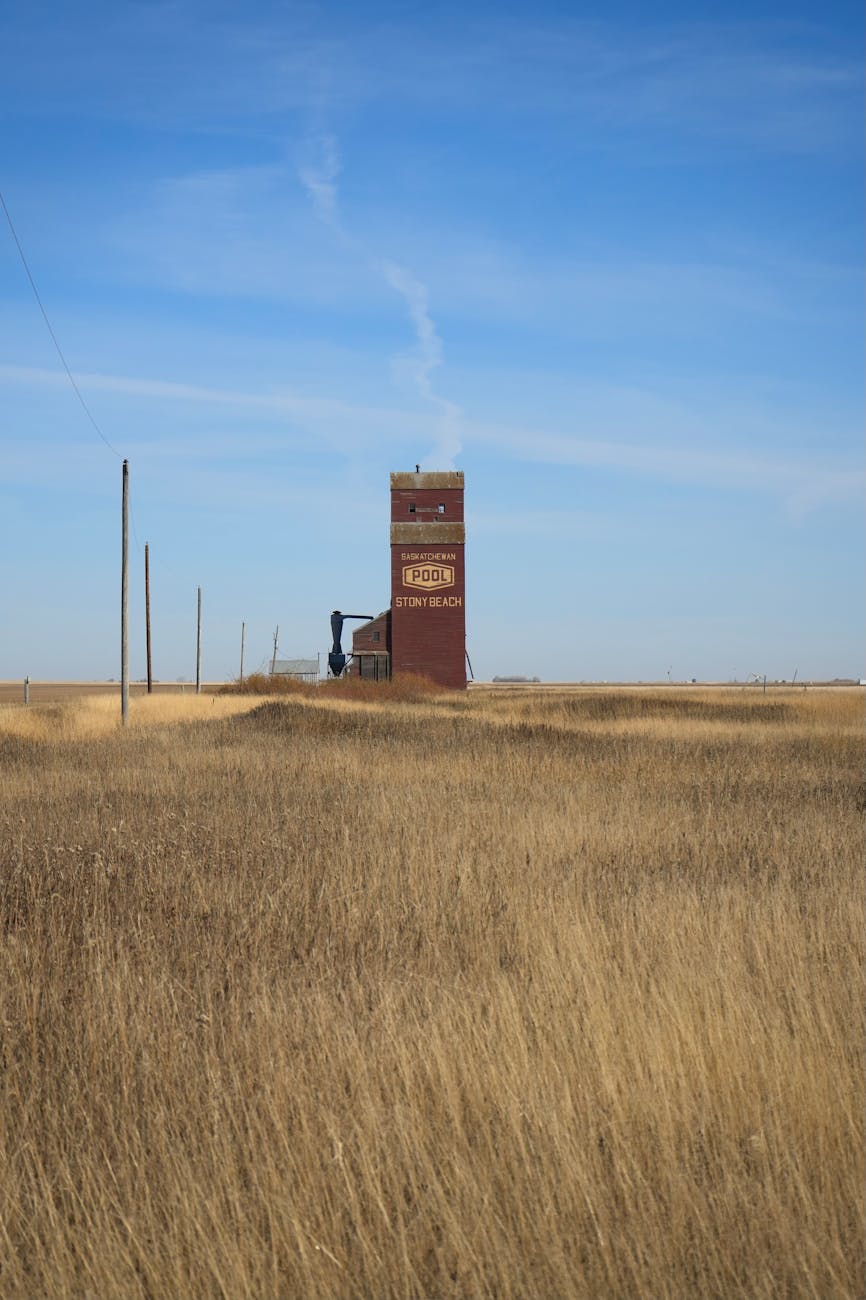
High winds swept through Saskatchewan, causing widespread dust storms and power outages, with SaskPower reporting outages over the past 24 hours, including a transmission line that feeds power to communities like Eastend and Gull Lake, due to the strong gusts that began blowing on the previous day.
Context
The province of Saskatchewan is no stranger to extreme weather conditions, with its location in the Canadian Prairies making it prone to powerful wind storms and dust storms, especially during the spring and summer months, as noted by Environment and Climate Change Canada.
According to data from the Canadian Meteorological Centre, the region has experienced an increase in extreme weather events over the past decade, with wind storms being a major contributor to power outages and property damage.
Main Body
The recent wind storm that hit Saskatchewan is a prime example of the devastating impact that extreme weather can have on communities, with residents experiencing power outages, property damage, and disruptions to daily life, as reported by local news outlets.
SaskPower, the province’s main power utility, has been working to restore power to affected areas, with crews working around the clock to repair damaged transmission lines and distribution systems, as stated on their official website.
Expert Perspectives
Extreme weather events like this wind storm are a stark reminder of the importance of investing in infrastructure and emergency preparedness, said Dr. John Smith, a climate expert from the University of Saskatchewan, in an interview with CBC News.
Dr. Smith also noted that the increasing frequency and severity of extreme weather events in the region highlight the need for proactive measures to mitigate their impact, such as upgrading power grids and implementing emergency response plans.
Implications
The recent wind storm in Saskatchewan serves as a wake-up call for residents, businesses, and policymakers to take proactive steps to prepare for and respond to extreme weather events, which can have significant economic, social, and environmental impacts, as reported by the Insurance Bureau of Canada.
By investing in infrastructure, emergency preparedness, and climate resilience, the province can reduce the risks associated with extreme weather and create a more sustainable and resilient future for its communities, as outlined in the Saskatchewan Climate Change Strategy.
As the province continues to recover from the recent wind storm, residents and stakeholders are encouraged to take action to prepare for future extreme weather events, by staying informed, having emergency plans in place, and supporting initiatives that promote climate resilience and sustainability.


