
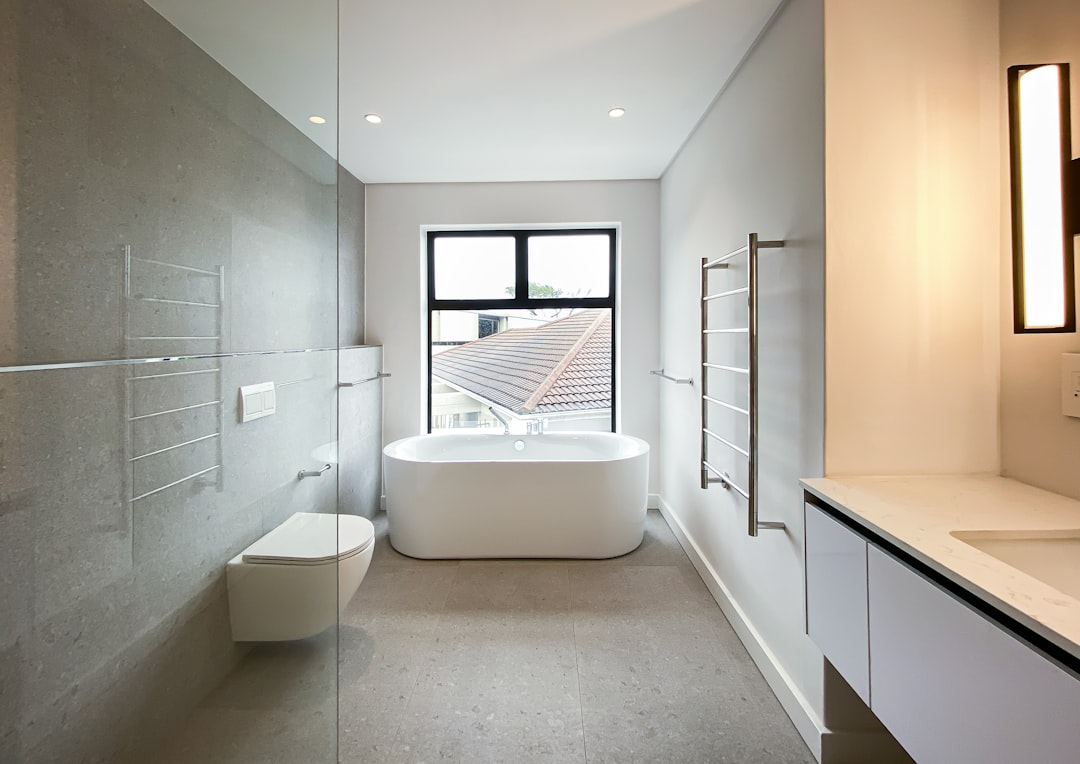
Homeowners across Canada are redefining home wellness in 2026 by investing in sophisticated bathroom renovations. This guide explains how to choose the right bathtub by balancing aesthetic appeal with structural requirements and personal comfort. Whether you live in a Toronto condo or a sprawling Vancouver estate, selecting the proper fixture is a critical decision. You will learn about material durability, spatial efficiency, and the latest ergonomic trends shaping the industry this year.
- Key Takeaways
- Evaluate floor load capacity for heavy materials like stone or cast iron.
- Prioritize heat retention properties to improve energy efficiency.
- Select styles that align with your existing plumbing layout to reduce costs.
The shift toward “spa-at-home” environments has made the bathtub a central focal point of modern interior design. Current trends favour clean lines and sustainable materials that offer both longevity and style. However, the selection process involves more than just visual preference. It requires a deep understanding of your home’s infrastructure and your household’s specific physical needs.
What are the primary types of bathtubs available today?
The layout of your bathroom usually dictates the style of tub you can install. Alcove tubs remain the most common choice for standard Canadian homes. These units fit into a three-walled recess, making them ideal for shower-tub combinations. They maximize floor space while providing a clean, integrated look for smaller rooms.
Freestanding tubs have surged in popularity as luxury statements in 2026. These fixtures stand alone and do not require wall support. They offer incredible design flexibility and can serve as a sculptural centerpiece. However, they often require more floor space and specialized plumbing that comes up through the floor.
Drop-in and undermount tubs offer a customized aesthetic for those building a permanent surround. A drop-in tub sits inside a constructed deck, while an undermount tub is installed beneath a stone or tile rim. These options allow for wider ledges, which provide extra space for toiletries or decorative elements.
How do material choices impact long-term durability?
Material selection affects the price, weight, and heat retention of your bathtub. Acrylic is a lightweight and affordable option that is easy to install. It resists chipping and is available in many shapes. However, it may lack the premium feel of more substantial materials.
Cast iron is a traditional favourite known for its incredible heat retention. These tubs are nearly indestructible but are extremely heavy. Homeowners must ensure their flooring can support the weight of the iron plus the water. Stone resin is a modern alternative that provides a similar solid feel with better insulation than acrylic.
“Choosing a material that retains heat not only improves the bathing experience but also reduces hot water consumption over time.”
Copper and natural stone are high-end options for bespoke renovations. These materials require more maintenance but offer a unique patina and unmatched luxury. Always consider the cleaning requirements of each material before making a final purchase.
Why does structural integrity matter for your bathroom?
Before purchasing a heavy tub, you must verify your home’s structural capacity. A full bathtub can weigh several hundred kilograms. The National Research Council Canada provides essential guidelines on building codes to ensure structural safety during heavy installations. Ignoring these standards can lead to floor sagging or cracked tiles.
Consult with a professional contractor or structural engineer if you plan to install a stone or cast iron unit. They can determine if your joists need reinforcement. This step is particularly important for renovations in older heritage homes across the Maritimes or Quebec.
Plumbing placement is another vital technical consideration. Moving a drain or water supply line can add thousands of dollars to your budget. Try to choose a bathtub that matches your existing plumbing configuration to keep costs manageable.
How can you maximize space in smaller Canadian homes?
Urban living often requires creative solutions for limited square footage. Corner tubs are excellent for utilizing awkward spaces while providing a deep soaking area. These designs often feature built-in seating, which enhances comfort without expanding the footprint.
Walk-in tubs are becoming more stylish and functional in 2026. These units cater to the aging-in-place demographic by offering low-threshold entry points. Modern models include hydrotherapy jets and heated surfaces, blending safety with a high-end spa experience.
Consider the depth of the tub rather than just the length. A shorter, deeper tub can provide a full soak while saving precious floor space. This approach is increasingly popular in modern urban developments where bathrooms are compact but luxury is expected.
What are the implications for home resale value?
A well-chosen bathtub can significantly increase the market value of your property. Buyers in 2026 look for bathrooms that feel like retreats. High-quality fixtures suggest that the rest of the home has been maintained with similar care. Conversely, a poorly fitted or cheap-looking tub can detract from an otherwise beautiful renovation.
Think about the long-term utility of the bathroom for future owners. While a massive soaking tub is luxurious, ensure there is still enough room to move comfortably. Balance your personal desires with practical considerations like storage and accessibility.
Investing in a timeless design ensures the bathroom remains relevant for years. Neutral colours and high-quality finishes tend to age better than fleeting colour trends. Focus on ergonomics and comfort to create a space that serves your needs daily. Measure your space multiple times and sit in floor models to test the fit before committing to a final delivery.


