
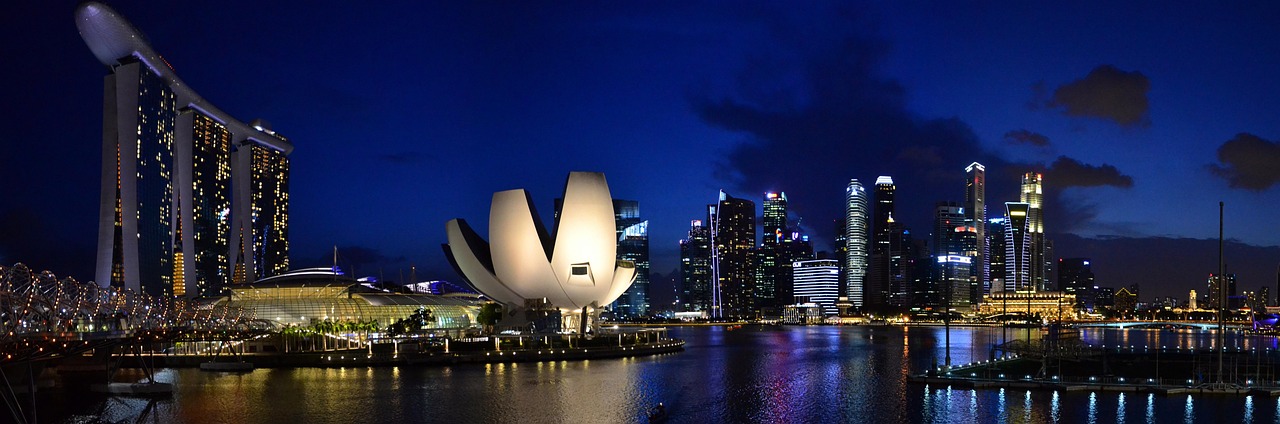
Singapore’s Ministry of Trade and Industry (MTI) reported a 6 per cent year-on-year GDP growth for the first quarter of 2026. This robust performance exceeded analyst predictions despite warnings regarding the ongoing conflict in Iran. The surge is primarily attributed to the global artificial intelligence (AI) infrastructure boom. This technological demand has buffered the city-state against rising global energy costs. You will learn how Singapore maintains its status as a resilient financial hub through strategic tech investment and manufacturing excellence.
- Singapore’s GDP grew by 6 per cent in Q1 2026, beating market forecasts.
- High demand for AI-specific semiconductors and data centres drove the manufacturing surge.
- Government officials warn that the Iran-Israel conflict remains a significant threat to energy prices.
The global economic landscape in early 2026 remains complex. Geopolitical tensions in the Middle East have pushed crude oil prices to new heights. Many nations face slowing industrial output as a result of these costs. However, Singapore has leveraged its position as a primary semiconductor manufacturing hub. This strategy has allowed the nation to offset the high price of imported fuel.
How is the AI boom driving Singapore’s economic growth?
The demand for high-performance computing hardware has reached unprecedented levels. Singapore’s electronics cluster expanded by 12 per cent in the first three months of the year. Local firms are now major suppliers of specialized chips used in generative AI models. This growth has created a ripple effect across the entire domestic supply chain. Logistics and precision engineering firms are also seeing record-breaking contract volumes.
Investment in data centre infrastructure has further bolstered these figures. The government recently approved several high-density cooling projects to support larger server farms. These facilities are essential for the regional expansion of cloud service providers. Consequently, the information and communications sector remains a top-performing pillar of the economy. Service exports related to AI development have also increased significantly.
According to official reports from the Ministry of Trade and Industry Singapore, the manufacturing sector saw double-digit growth. This expansion proves that the nation can thrive even during periods of high inflation. The focus on high-value exports provides a safety net against volatile commodity prices. Economists suggest that this trend will likely continue through the second half of 2026.
What are the risks of the Iran war fallout on energy prices?
Despite the positive GDP data, the government remains cautious about regional instability. The conflict in Iran has disrupted major shipping routes in the Persian Gulf. This disruption leads to higher insurance premiums for maritime trade. Singapore, as a global shipping hub, is sensitive to these fluctuations. Increased bunker fuel prices could eventually impact the profitability of the transport sector.
Officials have urged businesses to maintain strict energy efficiency protocols. The Ministry of Trade and Industry warned that a prolonged war could dampen global consumer demand. If energy prices remain elevated, households may reduce discretionary spending. This shift would eventually affect the retail and tourism sectors in Singapore. The government is monitoring the situation daily to provide support if needed.
“The resilience of our tech sector has provided a vital cushion against external shocks,” stated a senior economic analyst. “However, we must remain vigilant regarding the volatile energy market in the Middle East.”
Why is the manufacturing sector outperforming expectations?
The manufacturing sector’s success is not purely accidental. Years of investment in automation and labour training are now paying off. Factories in Singapore are among the most automated in the world. This high level of efficiency allows them to maintain margins despite rising electricity bills. Many facilities have also integrated renewable energy sources to reduce their carbon footprint.
The aerospace engineering cluster has also seen a significant rebound. Increased international travel in the Asia-Pacific region has boosted demand for maintenance services. Singapore’s position as a regional hub for aircraft repairs remains unchallenged. This diversification ensures that the economy does not rely solely on the tech industry. It provides a balanced portfolio of industrial activities to weather global storms.
Data centre expansion and infrastructure
Singapore is currently home to the highest density of green data centres in Asia. These facilities use advanced liquid cooling systems to optimize power usage. This technological edge attracts major tech giants to house their regional operations here. The government provides incentives for companies that meet strict sustainability targets. This approach aligns economic growth with the nation’s long-term climate goals.
The labour market also reflects this positive economic momentum. Unemployment remains at a record low of 1.9 per cent. High-paying roles in software engineering and data analysis are in high demand. The government continues to support mid-career professionals through various upskilling programmes. These initiatives ensure that the local workforce can participate in the growing AI economy.
How will this affect regional trade in 2026?
Singapore’s performance serves as a bellwether for the broader Southeast Asian region. Strong demand for components often signals a recovery in neighbouring manufacturing hubs. Countries like Malaysia and Vietnam are also benefiting from the AI supply chain. This interconnectedness fosters regional stability even during global geopolitical crises. Trade agreements within ASEAN continue to facilitate the smooth flow of goods.
Investors are looking toward Singapore as a safe haven for capital. The stable political environment and transparent legal system remain major draws. While other markets face uncertainty, Singapore offers a predictable landscape for long-term projects. This influx of foreign direct investment supports future infrastructure developments. The nation is well-positioned to lead the regional digital transformation.
Strategic stockpiling of essential resources has also mitigated some immediate risks. The government maintains significant reserves of fuel and food supplies. This foresight prevents sudden price spikes from affecting the local population. Businesses can plan their operations with greater confidence due to these stabilizers. Such proactive measures are critical for maintaining national competitiveness in 2026.
The path forward requires a balance between innovation and risk management. As AI continues to evolve, Singapore must adapt its regulatory frameworks. Ensuring data privacy and ethical AI use will be paramount. By staying ahead of technological trends, the nation can secure its economic future. Maintaining a diverse set of trade partners will also be essential for long-term resilience.


