
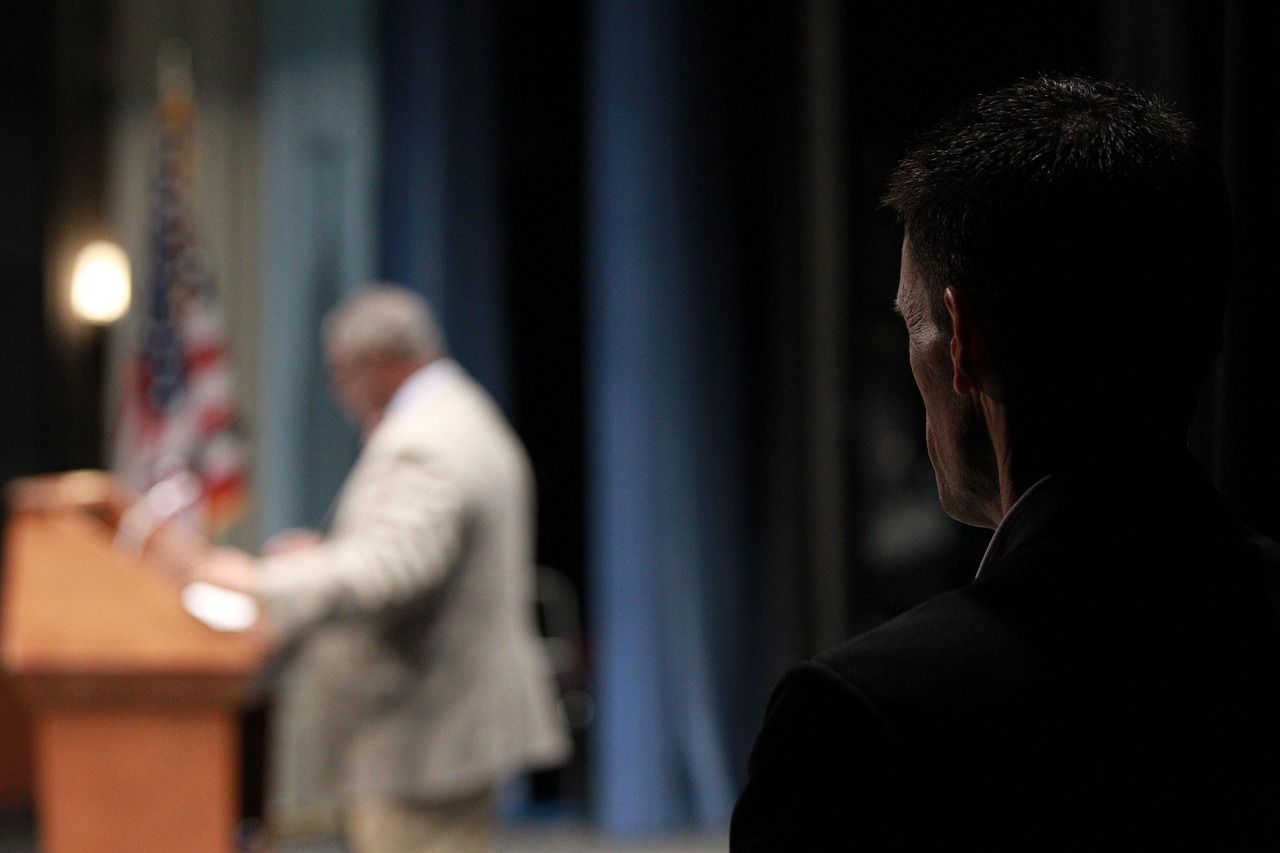
On June 1, 2026, former central bank governor Mark Carney delivered a sharp critique of Canada’s social and environmental trajectory during a keynote address in Ottawa. Carney argued that the nation’s fundamental civic compact is currently failing Jewish Canadians while simultaneously condemning the sudden disappearance of climate change from national political discourse. You will learn how these two seemingly disparate issues are linked through the lens of institutional trust and long-term economic stability.
- The “civic compact” ensuring safety for all minorities is under significant strain.
- Climate change has largely vanished from political platforms despite rising environmental risks.
- Social instability is identified as a primary threat to Canada’s future economic prosperity.
The term “civic compact” refers to the unwritten agreement among citizens and the state to uphold mutual respect, safety, and the rule of law. For decades, this concept served as the bedrock of Canadian multiculturalism and social stability. However, recent geopolitical tensions and domestic polarization have tested the resilience of these shared values.
Carney’s remarks come at a time when hate crime statistics show a troubling rise in targeted incidents across major urban centres. He emphasized that the protection of any single group is a prerequisite for the protection of all. Without a robust civic compact, the institutional trust required for a functioning economy begins to erode rapidly.
How is the Canadian civic compact failing Jewish Canadians?
Carney specifically highlighted that Jewish Canadians are experiencing a breakdown in the social contract that guarantees security and inclusion. He noted that when a community feels increasingly isolated or targeted, it signals a failure of the broader institutional framework. This failure is not just a social issue but a systemic risk to national unity.
The former governor suggested that political leaders have been slow to address the root causes of this fragmentation. He pointed to a lack of clear, consistent messaging regarding the rights of all citizens to live without fear. This ambiguity, he argued, allows fringe elements to dominate the public square and weaken the middle ground.
Active intervention is required to restore the sense of belonging that has historically defined the Canadian experience. Carney called for a renewal of institutional commitments to combat antisemitism and all forms of hate. He stressed that a society that cannot protect its minorities cannot sustain its democratic foundations.
“The civic compact is not a static document; it is a living commitment that requires constant renewal and courageous leadership to maintain.”
Why has climate change disappeared from the national debate?
Transitioning to the environmental crisis, Carney expressed disbelief at the current “climate silence” pervading Canadian politics. Despite 2025 being recorded as one of the warmest years on record, the topic has been sidelined in favour of immediate cost-of-living concerns. He warned that ignoring the climate transition now will lead to much higher costs in the near future.
Politicians have shifted their focus toward short-term economic relief, often at the expense of long-term sustainability goals. This shift reflects a broader trend of “transition fatigue” among the electorate. However, Carney argued that the climate crisis is an inescapable economic reality that will dictate global market trends for decades.
The lack of discussion regarding carbon pricing and green infrastructure represents a significant policy vacuum. Carney noted that international investors are looking for stability and clear direction on environmental policy. When a nation stops talking about its climate goals, it risks losing its competitive edge in the global green economy.
Current data supports the urgency of his message. According to Environment and Climate Change Canada, the frequency of extreme weather events continues to rise, impacting insurance premiums and infrastructure costs. Ignoring these facts does not mitigate their impact on the Canadian taxpayer.
What are the economic implications of social and environmental neglect?
Carney’s dual focus on social cohesion and climate change stems from his background in global finance and risk management. He views social stability and environmental resilience as two pillars of a healthy economy. If either pillar crumbles, the entire financial system faces increased volatility and decreased investment.
Social division leads to decreased productivity and a brain drain of highly skilled professionals who no longer feel welcome. Similarly, a failure to adapt to climate change results in stranded assets and increased disaster relief spending. Both issues require a long-term perspective that is currently missing from the political landscape.
Expert analysis suggests that nations with high levels of social trust recover faster from economic shocks. By allowing the civic compact to fray, Canada is effectively lowering its economic resilience. Carney urged leaders to recognize that social justice and environmental responsibility are not distractions from the economy; they are the economy.
The path forward requires a reintegration of these themes into the national discourse. Leaders must find ways to address immediate economic pressures without sacrificing the values and goals that ensure long-term stability. This involves a return to evidence-based policy and a rejection of performative politics that prioritize division over progress.
Restoring the civic compact involves more than just rhetoric; it requires tangible investments in community safety and social programs. Simultaneously, re-engaging with climate policy means acknowledging the difficult trade-offs required for a sustainable future. Canadians must demand a political environment where these critical issues are addressed with the seriousness they deserve.
Maintaining a cohesive society and a stable climate are the most significant challenges facing Canada in the late 2020s. By addressing the failures in the civic compact today, the nation can build the trust necessary to tackle the environmental hurdles of tomorrow. A renewed focus on shared values and scientific reality will be essential for navigating the complexities of the coming decade.


