
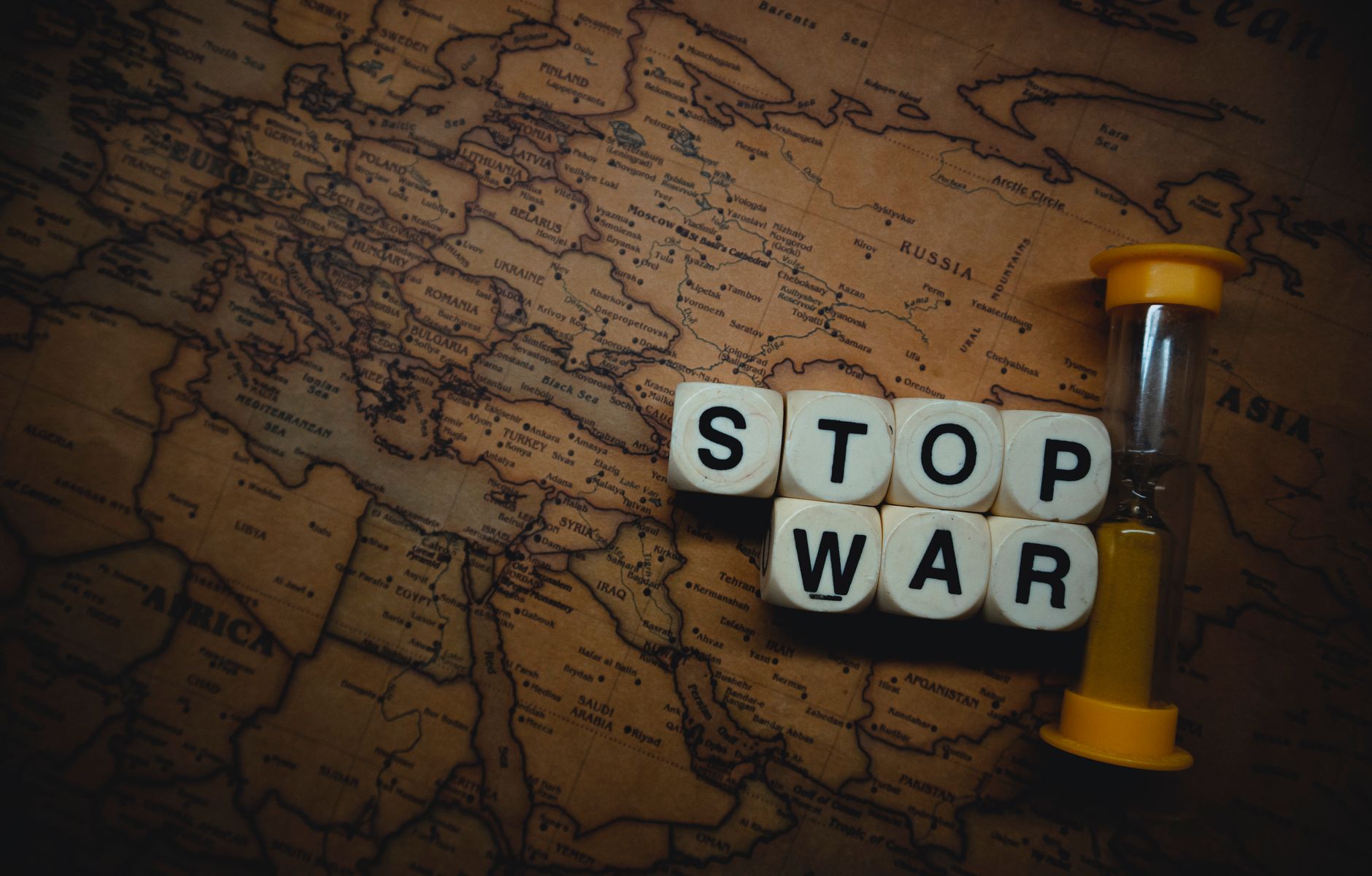
As of June 8, 2026, the military conflict between the United States, Israel, and Iran has reached its 100th day. This war began on February 28, 2026, following a rapid escalation of regional tensions into a direct multi-front engagement. This report examines the US-Israel war on Iran impact on global stability, energy security, and the humanitarian landscape. Readers will gain a comprehensive understanding of the current casualty figures, economic disruptions, and the shifting geopolitical alliances in the Middle East.
- Global oil prices have surged significantly due to the naval blockade of the Strait of Hormuz.
- Over 1.2 million civilians have been displaced across the region since the end of February.
- International diplomatic efforts remain stalled as military operations move into a more intensive phase.
How did the conflict reach this critical 100-day milestone?
The hostilities erupted on February 28 after a series of maritime incidents and drone strikes escalated. While tensions existed for decades, this timeline represents the first direct, sustained conventional war between these powers. Military analysts suggest the scale of the engagement has exceeded initial 2026 projections.
The conflict has spread across several domains including cyber warfare, naval skirmishes, and long-range missile exchanges. Major urban centres have faced significant infrastructure damage. Consequently, the regional power balance has shifted dramatically in just over three months.
What are the economic consequences of the naval blockade?
The primary economic driver of this crisis remains the disruption of global energy supplies. The Strait of Hormuz, a vital artery for global oil, has been effectively closed to commercial traffic. This closure has forced tankers to take longer, more expensive routes around the Cape of Good Hope.
According to recent International Energy Agency oil market reports, global supply chains are facing unprecedented pressure. Crude prices have reached levels not seen in over a decade. These rising costs are currently fueling inflation across North America and Europe.
How is the humanitarian crisis unfolding on the ground?
The human cost of the war is rising daily as the fighting enters its second quarter. Non-governmental organizations report a severe shortage of medical supplies and clean water in affected zones. Displaced populations are seeking refuge in neighbouring countries, straining local infrastructure and resources.
Casualty counts remain difficult to verify due to restricted access for international observers. However, satellite imagery confirms widespread destruction in key industrial and residential areas. Humanitarian corridors have been proposed but remain largely ineffective due to ongoing aerial bombardments.
What do experts predict for the next phase of the war?
Military strategists believe the war is entering a phase of attrition. Both sides have fortified their positions, leading to a stalemate in several key sectors. Experts suggest that without a significant diplomatic breakthrough, the conflict could extend through the remainder of 2026.
Intelligence reports indicate that regional proxies are becoming more involved in the periphery of the conflict. This involvement threatens to draw in additional nations, potentially widening the theatre of war. The international community continues to call for a ceasefire, though neither side has accepted terms.
How is the international community responding to the escalation?
Global powers are divided on how to address the ongoing violence. Some nations have implemented strict economic sanctions, while others provide direct military aid to their respective allies. This polarization has paralyzed the United Nations Security Council, preventing a unified peace mandate.
Public protests have emerged in major cities worldwide, demanding an end to the hostilities. Governments are balancing domestic pressure with strategic geopolitical interests. As the 100-day mark passes, the focus shifts toward preventing a total regional collapse.
The long-term implications of this war will likely redefine international relations for the next decade. Businesses must prepare for continued volatility in energy markets and supply chains. Maintaining a focus on regional stability remains the most urgent priority for global leaders as the conflict persists.


