
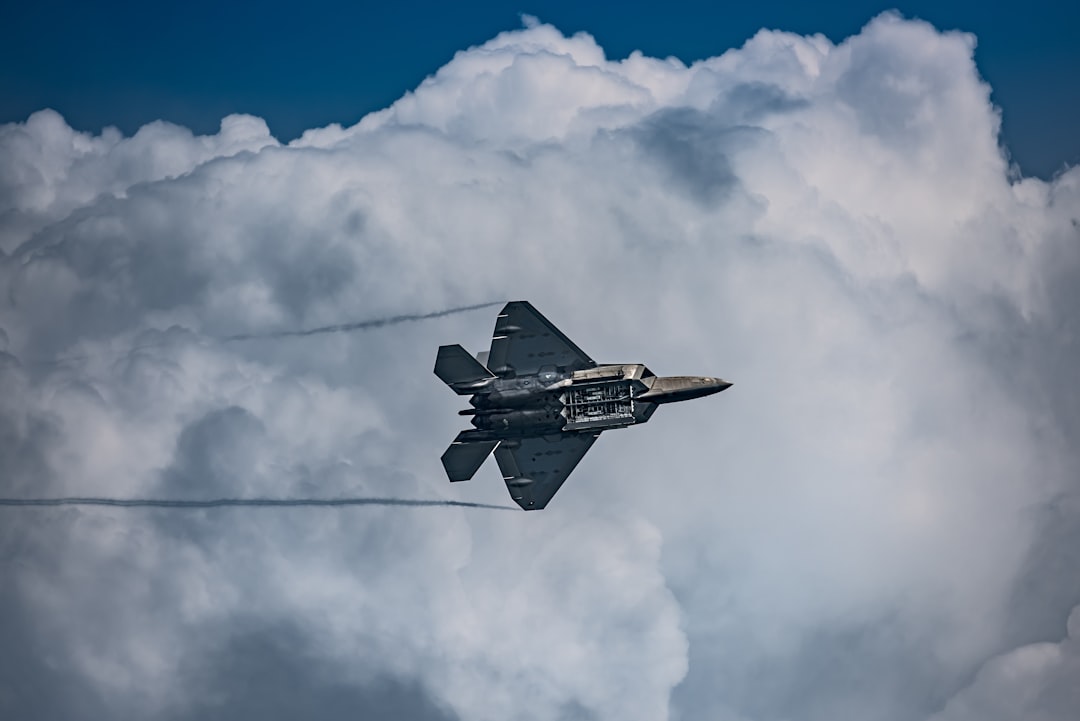
On October 15, 2026, United States naval forces successfully neutralized a swarm of Iranian-manufactured drones over the Strait of Hormuz, marking a sharp escalation in Persian Gulf hostilities. This maritime engagement occurred simultaneously with an Israeli military operation in southern Lebanon that resulted in the deaths of three high-ranking Lebanese soldiers. As Bahrain and Kuwait issue formal condemnations of Iranian aggression against their sovereign territories, this report examines the deteriorating security architecture of the Middle East. Readers will learn about the tactical shifts in drone warfare, the collapse of regional diplomatic de-escalation efforts, and the immediate impact on global energy supply chains.
- US Navy systems intercepted multiple loitering munitions to prevent the closure of the Strait of Hormuz.
- Israeli strikes in Lebanon have targeted high-level military personnel, risking a wider ground conflict.
- A new coalition of Arab nations, including Bahrain and Kuwait, is forming to counter Iranian maritime provocations.
The Strait of Hormuz remains the world’s most critical oil transit chokepoint, with nearly 20% of global petroleum consumption passing through its narrow waters daily. For decades, the region has balanced on a knife-edge of “grey zone” conflict, characterized by proxy battles and asymmetric naval skirmishes. However, the 2026 landscape has shifted toward direct state-on-state confrontation as drone technologies become more sophisticated and accessible.
Recent months have seen a breakdown in the 2024 maritime safety agreements, leading to increased patrolling by the US Fifth Fleet. The current crisis was triggered by a series of coordinated drone strikes targeting desalination plants and oil refineries in Bahrain and Kuwait earlier this week. These attacks prompted an immediate defensive response from Western allies stationed in the region.
How did US forces respond to the Iranian drone threat?
The US Department of Defense confirmed that the USS Gerald R. Ford carrier strike group utilized advanced electronic warfare and kinetic interceptors to down the drones. Military officials described the swarm as a mix of surveillance and “suicide” drones designed to overwhelm shipborne radar systems. No American casualties or vessel damage were reported during the four-hour engagement.
Strategic analysts suggest that the intent of the drone deployment was to test the reaction time of the newly integrated Aegis Baseline 10 systems. By launching from multiple coastal sites, the Iranian Revolutionary Guard Corps (IRGC) sought to create a saturation effect. This tactic forces defenders to expend high-cost interceptors against relatively low-cost expendable aircraft.
The successful interception has temporarily secured the passage of three commercial tankers currently transiting the strait. However, the US Navy has issued a high-level advisory for all civilian vessels to maintain increased vigilance. The use of automated defence systems has become the primary deterrent against these persistent aerial threats.
Why are Israeli operations in Lebanon sparking diplomatic outrage?
While the maritime conflict unfolded, Israeli Defence Forces (IDF) conducted precision air strikes in the Bekaa Valley and southern border regions. These strikes targeted a command centre, resulting in the deaths of three senior Lebanese Army officers. The IDF maintains that the target was a joint operations room used by non-state actors, though the Lebanese government has denounced the act as a direct violation of sovereignty.
This incident has complicated the delicate balance of power in Beirut, where the national army often finds itself caught between regional powers. The deaths of high-ranking soldiers have unified various Lebanese political factions in a rare display of national solidarity against external intervention. Protests have since erupted across major Lebanese cities, demanding international intervention.
The Arab League has convened an emergency session to address what they term a “dual-front escalation.” Diplomats from Bahrain and Kuwait have been particularly vocal, linking the attacks on their soil to the broader instability caused by Iranian-backed regional proxies. This collective stance marks a significant shift in regional geopolitics, as Gulf nations distance themselves further from Tehran.
What do current data points suggest about maritime security?
Recent data from maritime intelligence firms indicate a 45% increase in GPS jamming incidents in the Persian Gulf over the last quarter. This environmental interference complicates navigation for commercial shipping and increases the risk of accidental collisions. Furthermore, insurance premiums for vessels transiting the Strait of Hormuz have spiked by 300% since the initial reports of the drone swarm.
The international community relies heavily on the maritime security standards for international shipping lanes to maintain the flow of global trade. When these standards are compromised by state-led aggression, the economic fallout is felt globally in the form of rising fuel prices and disrupted logistics. Current projections suggest that a prolonged closure of the strait could lead to a $20 USD per barrel increase in crude oil prices within 72 hours.
Security experts emphasize that the 2026 conflict is defined by the integration of artificial intelligence in drone navigation. These “smart swarms” can communicate with each other to identify gaps in naval defences. This technological leap requires a constant evolution of counter-UAS (Unmanned Aircraft Systems) strategies by the US and its regional partners.
What are the long-term implications for the Middle East?
The convergence of maritime skirmishes and border strikes suggests a move toward a multi-theatre conflict that could bypass traditional diplomatic channels. If Bahrain and Kuwait pursue formal military pacts with Western powers, the regional divide will likely deepen. This could lead to a permanent increase in foreign military presence within the Gulf.
For the energy sector, this volatility necessitates a rapid diversification of transit routes, though few alternatives match the capacity of the Strait of Hormuz. Global markets are currently watching for a potential Iranian response to the interception of their drones. Any further escalation could trigger a broader naval blockade, which would necessitate a larger international intervention.
Stability in the region now depends on the ability of international mediators to decouple the maritime disputes from the border conflicts in Lebanon. As military readiness reaches its highest level in a decade, the margin for error remains dangerously thin. Stakeholders must prepare for a period of sustained high-alert operations as the regional security framework undergoes its most significant test of the decade.
Maintaining open communication lines between the US, its Gulf allies, and regional adversaries remains the only viable path to preventing a total collapse of maritime order. While tactical successes in the air provide temporary relief, the underlying geopolitical tensions require a robust, multilateral diplomatic solution to ensure the safety of international waters. Investors and shipping operators should continue to monitor official naval advisories as the situation develops in real-time.


