
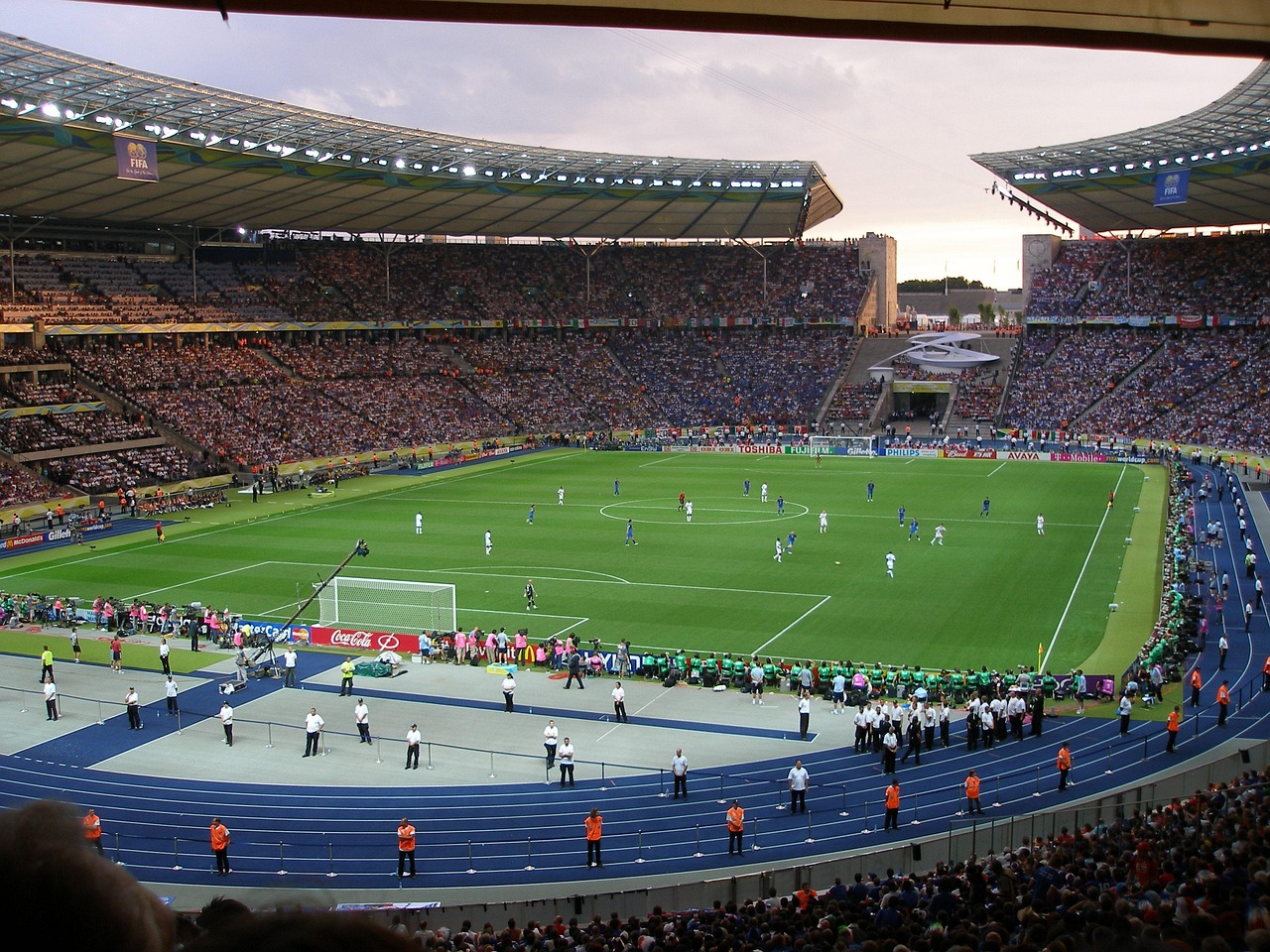
FIFA has officially confirmed the kickoff times for the 104 matches of the 2026 World Cup, taking place from June 11 to July 19 across Canada, Mexico, and the United States. This expanded tournament features 48 nations competing in 16 host cities, creating a logistical puzzle for viewers across North America’s diverse time zones. Fans in Canada will need to navigate six different zones to catch every moment of the action live from Vancouver to Toronto. You will learn how to synchronize your local clock with the official match schedule and what the expanded format means for your viewing experience.
- The tournament features a record 104 matches across 16 host cities in three nations.
- Matches are scheduled across four primary North American time zones: Pacific, Mountain, Central, and Eastern.
- Canada will host 13 matches, split between Vancouver and Toronto.
- Kickoff times are optimized for both local attendance and global broadcast windows.
The 2026 edition marks the first time the tournament includes 48 teams, up from the traditional 32. This expansion necessitates a longer 39-day schedule to accommodate the additional fixtures. FIFA officials designed the calendar to minimize travel for teams and fans while maximizing television viewership in Europe and Asia. Consequently, match times vary significantly depending on the host city’s longitudinal position.
How do North American time zones affect the 2026 World Cup schedule?
The 16 host cities span four major time zones, creating a rolling schedule of football throughout the day. For Canadian viewers, this means matches could begin as early as 10:00 AM ET for morning fixtures and as late as 9:00 PM PT for evening games on the West Coast. The three-nation hosting duties mean that a single matchday might feature games starting in different time zones back-to-back.
Most group stage matches will be grouped into regional clusters to help fans manage the shifts. For example, teams playing in Vancouver, Seattle, and Los Angeles will largely stay within the Pacific Time Zone. This strategy reduces the jet lag for athletes and provides more predictable windows for local supporters. However, fans following the entire tournament must remain vigilant as the knockout stages move teams across the continent.
Where are the Canadian matches being played?
Canada is set to host 13 matches, with seven fixtures scheduled for Vancouver and six for Toronto. B.C. Place in Vancouver and BMO Field in Toronto serve as the primary venues for these historic games. Because Vancouver is on Pacific Time and Toronto is on Eastern Time, there is a consistent three-hour gap between Canadian host cities.
Opening matches for the Canadian National Team will likely be split between these two hubs. Fans in the Atlantic provinces will need to account for the four-hour difference when watching games in Vancouver. To ensure you have the most accurate information, you can visit the official FIFA World Cup 2026 tournament page for real-time updates on venue assignments. This resource provides the definitive source for any late-breaking schedule adjustments or kickoff changes.
What are the peak viewing hours for international fans?
Broadcasting a tournament across North America presents challenges for the traditional European and African markets. To address this, FIFA has scheduled many high-profile matches for early afternoon starts on the East Coast. A 1:00 PM ET kickoff in Toronto or New York translates to a 6:00 PM start in London and 7:00 PM in Paris. This window captures the largest possible global audience during prime time in Europe.
Conversely, evening matches held in Western cities like Los Angeles or Vancouver will cater to the Asian and Oceanian markets. A 7:00 PM PT kickoff will be seen on the following morning in Tokyo and Sydney. This “follow the sun” approach ensures that at any given hour, millions of people around the world can engage with the tournament live. Data from previous tournaments suggests that these optimized windows can increase digital streaming traffic by up to 40%.
How will the expanded format impact match frequency?
The shift to 48 teams means fans will enjoy up to six matches per day during the peak of the group stage. This is a significant increase from the four-match limit seen in previous 32-team iterations. The sheer volume of football requires a disciplined approach to scheduling to avoid broadcast overlaps. Organizers have utilized advanced algorithms to ensure that no two matches involving teams from the same group happen simultaneously until the final group matchday.
Logistics experts emphasize that this density of play will turn major cities into month-long football festivals. Public transit systems in Toronto and Vancouver are already planning for increased capacity during match windows. Local businesses are expected to see a surge in patronage as fans gather in “FIFA Fan Festivals” to watch away games on large screens. The economic impact is projected to reach billions of dollars across the three host nations.
Staying updated with a digital calendar that automatically adjusts for your specific location is the most efficient way to track the 104 fixtures. As the tournament approaches, mobile applications will offer personalized notifications based on your favourite teams. By preparing for the time zone shifts now, you ensure that you won’t miss a single goal of this historic North American sporting event. The 2026 World Cup promises to be a transformative moment for soccer in Canada, uniting the country through a shared passion for the beautiful game.


