
At least 15 people have died after a massive 7.8 magnitude earthquake struck off the coast of Mindanao, Philippines, early Tuesday morning. The seismic event triggered immediate tsunami warnings across the region, though authorities have since confirmed the threat has receded. This article explores the immediate impact of the 7.8 magnitude earthquake Philippines residents experienced and the ongoing recovery efforts in the affected provinces.
- A 7.8 magnitude quake struck Mindanao, resulting in at least 15 confirmed fatalities.
- Initial tsunami warnings for the Pacific coast have been officially downgraded.
- Emergency crews are currently prioritizing search and rescue in remote coastal villages.
The tremor occurred at approximately 4:15 AM local time. Its epicentre was located roughly 30 kilometres offshore. Residents in Davao City and surrounding municipalities reported intense shaking lasting over sixty seconds. Local disaster management agencies are now assessing the structural integrity of bridges and schools.
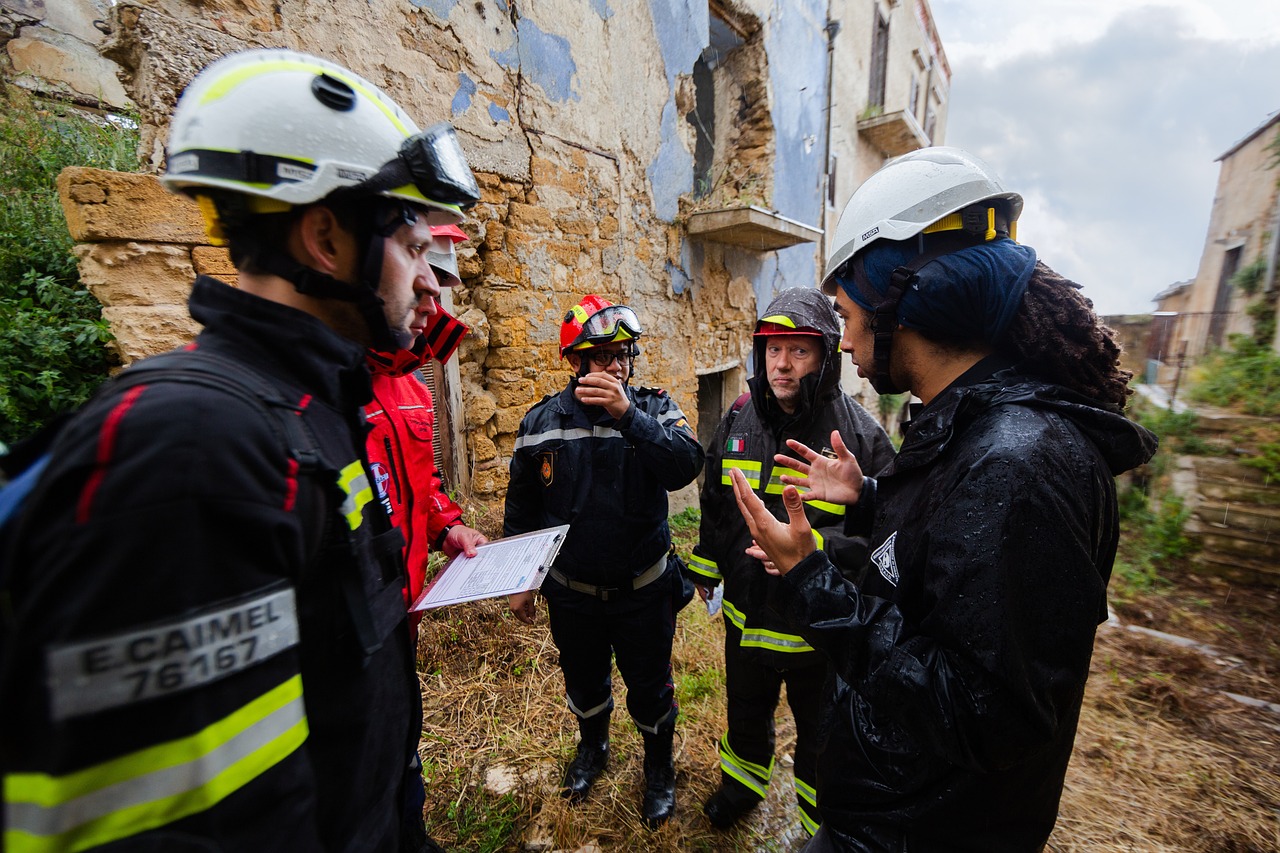
Rescue teams moved quickly to evacuate coastal populations. Early reports indicate significant damage to residential buildings and public infrastructure. Hospitals in the region are currently operating on emergency power to treat the injured.
What caused the 7.8 magnitude earthquake in Mindanao?
The Philippines sits along the Pacific Ring of Fire. This area experiences frequent volcanic activity and tectonic shifts. This specific event resulted from a subduction zone movement along the Philippine Trench. Shallow earthquakes often cause more surface damage than deeper ones.
Seismologists had monitored increased micro-seismic activity in the weeks leading up to the event. However, the exact timing of the 7.8 magnitude quake remained unpredictable. According to the United States Geological Survey earthquake monitoring system, the tremor occurred at a shallow depth of 10 kilometres. This proximity to the surface amplified the intensity of the ground shaking.
Historical data shows that Mindanao frequently faces high-intensity tremors. The region last experienced a major seismic event in 2023. Local authorities have since implemented stricter building codes to mitigate such risks. Despite these measures, older structures remain vulnerable to high-magnitude shocks.
How are emergency services responding to the disaster?
The Philippine National Police and military units have deployed to the hardest-hit areas. They are assisting with clearing debris from major highways. These roads serve as vital lifelines for delivering medical supplies and food. Aerial surveys are currently identifying isolated communities that require immediate airlifts.
The Department of Social Welfare and Development has released emergency funds. Thousands of family food packs are arriving at distribution centres. Displaced residents are currently seeking shelter in designated evacuation halls. Government officials urge citizens to remain vigilant as aftershocks continue to rattle the province.
Communication lines in some rural areas remain down. Technicians are working to restore cellular service to facilitate rescue coordination. Power companies have started rolling blackouts to prevent fires from damaged electrical grids. These safety measures help prevent secondary disasters in the wake of the quake.
Why was the tsunami threat downgraded?
Initial data suggested a high risk of hazardous waves. Authorities issued a mandatory evacuation for all coastal residents. The Pacific Tsunami Warning Center monitored sea-level gauges for several hours. Fortunately, the recorded wave heights remained below the dangerous threshold.
The specific orientation of the fault line likely limited the vertical displacement of water. This geological factor prevented the formation of a catastrophic surge. By midday, the Philippine Institute of Volcanology and Seismology (PHIVOLCS) cancelled the alert. Residents were then permitted to return to their homes under caution.
Despite the cancellation, experts warn of coastal instability. Submarine landslides can still occur after large tremors. Marine vessels are advised to stay clear of docks until the water stabilizes. Monitoring stations will continue to track water levels for the next 48 hours.
What are the long-term implications for Philippine infrastructure?
This disaster highlights the need for continued investment in seismic resilience. Modern skyscrapers in Davao City largely withstood the shaking. In contrast, rural dwellings made of lighter materials suffered total collapse. This disparity emphasizes the importance of localized building code enforcement.
Economic analysts suggest the recovery costs will reach millions of dollars. The agricultural sector in Mindanao may face significant disruptions. Damaged irrigation systems could impact crop yields in the coming months. The national government is expected to seek international aid for long-term reconstruction.
Educational programmes regarding earthquake drills have proven effective. Many survivors credited their safety to knowing the “Drop, Cover, and Hold on” technique. Continued public awareness campaigns will remain a priority for the Department of Education. These efforts ensure that communities are better prepared for future seismic events.
The immediate focus remains on locating missing persons and stabilizing survivors. As the dust settles, the resilience of the Philippine people will be tested once again. Strengthening regional infrastructure and early warning systems will be essential to reducing future casualties. Vigilance and community cooperation remain the most effective tools in managing natural disasters.


