
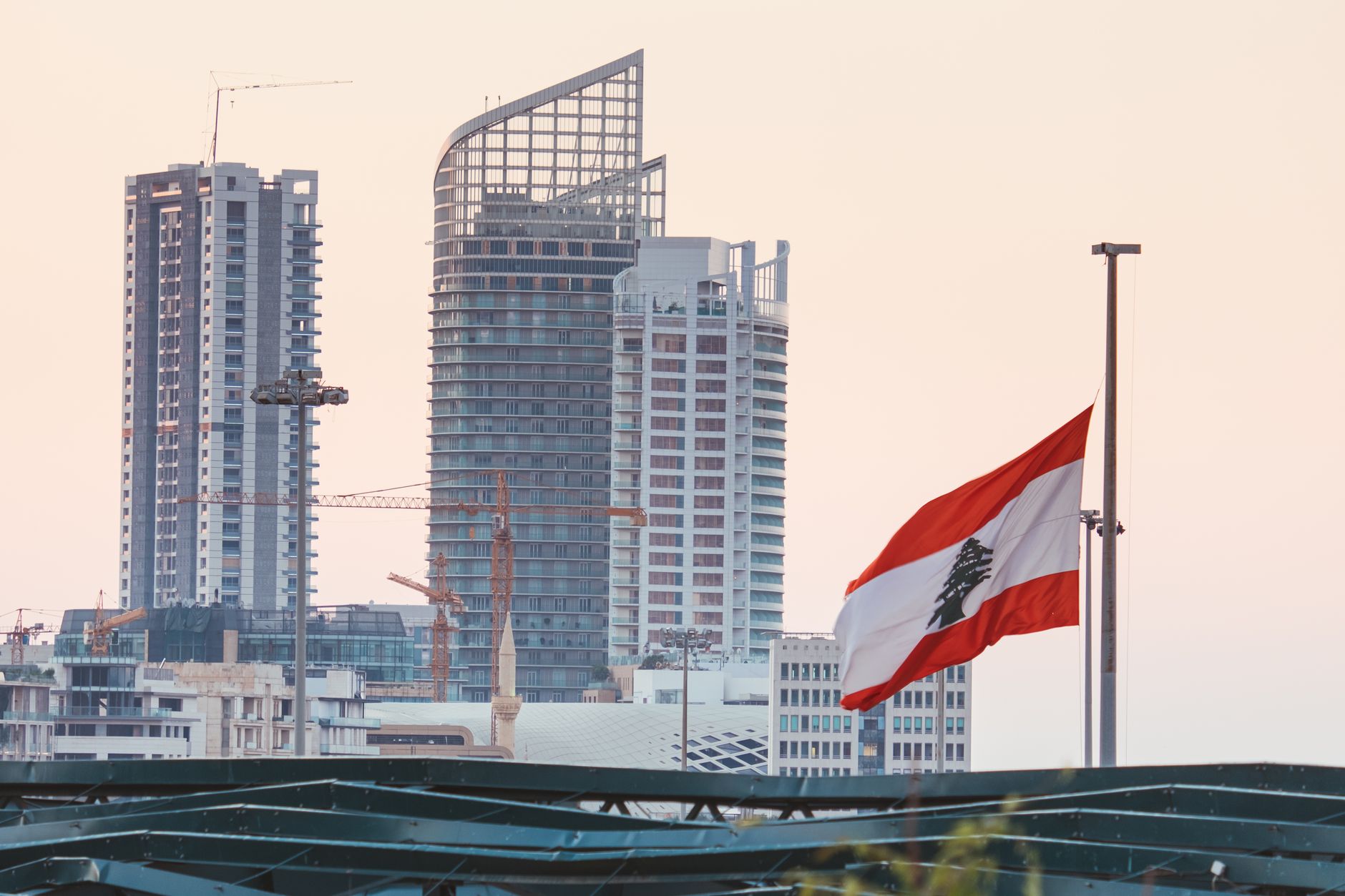
The Israeli Defence Forces (IDF) launched a series of precision airstrikes against Hezbollah infrastructure in southern Beirut, targeting what officials described as strategic command nodes. This military escalation occurred simultaneously with a major diplomatic announcement from Washington, where President Donald Trump declared that a comprehensive nuclear agreement with Iran was ready for signing. The convergence of kinetic military action and high-stakes diplomacy has created a volatile atmosphere across the Middle East, challenging the immediate prospects for regional stability. In this report, you will learn how these strikes impact the Middle East regional security 2026 landscape and whether the proposed nuclear accord can survive this latest surge in hostilities.
- Israel conducted targeted strikes on Hezbollah’s Dahieh stronghold to neutralise long-range missile capabilities.
- The timing overlaps with a White House claim that a “historic” nuclear deal with Tehran is imminent.
- Geopolitical analysts warn that military escalation could derail the diplomatic verification process.
How does the Beirut strike affect the 2026 Iran deal?
The IDF confirmed that its air assets targeted specific underground facilities in the Dahieh district of southern Beirut. Military spokespersons stated the operation was necessary to prevent an imminent threat from Hezbollah’s precision-guided munitions. However, the timing has raised questions among international observers regarding the coordination between Western allies. While the bombs fell in Lebanon, President Trump addressed reporters at the White House, asserting that a deal to curb Iran’s nuclear ambitions was “signed, sealed, and nearly delivered.”
This duality of force and diplomacy creates a complex friction point for the Iranian leadership. Tehran has long maintained that its support for the “Axis of Resistance,” including Hezbollah, remains separate from its nuclear file. Yet, the destruction of Hezbollah assets—often viewed as Iran’s forward deterrent—could force the Islamic Republic to reconsider its concessions. The International Atomic Energy Agency continues to monitor Iranian enrichment levels, which remain a primary hurdle in the ongoing negotiations.
“The Israeli government is sending a clear signal that diplomatic breakthroughs in Washington do not grant immunity to Iranian proxies on its borders,” says Dr. Elena Vance, a senior fellow at the Institute for Middle Eastern Studies.
What are the strategic objectives behind Israel’s military timing?
Security experts suggest that Israel’s decision to strike during a diplomatic peak was intentional. By degrading Hezbollah’s infrastructure now, Jerusalem may be attempting to establish a position of strength before any sanctions relief reaches Tehran. The Israeli cabinet has frequently expressed concerns that a new nuclear deal would provide Iran with a financial windfall. They argue this capital would inevitably flow into Hezbollah’s coffers, modernizing their arsenal against northern Israel.
The strikes reportedly focused on drone assembly plants and logistics centres. Lebanese state media reported significant damage to civilian telecommunications towers located near the strike zones. Despite the intensity of the bombardment, the IDF maintains that its target selection utilized advanced AI-driven intelligence to minimize collateral damage. This technological precision is a hallmark of the 2026 military doctrine used by the IDF in urban environments.
The role of Hezbollah in the current escalation
Hezbollah has vowed to respond to the Beirut incursions, though its immediate reaction was limited to short-range rocket fire into the Galilee panhandle. The group finds itself in a difficult position as it balances its role as a regional militia with its domestic political responsibilities in a struggling Lebanon. If Hezbollah chooses a full-scale retaliation, it risks drawing Lebanon into a wider conflict that could bankrupt the nation further. Conversely, silence could be interpreted as weakness by its supporters and Iranian backers.
How will the international community respond to the dual narrative?
Reaction from the global community has been sharply divided. European leaders have called for immediate restraint, fearing that a miscalculation could ignite a regional war. Meanwhile, the Trump administration has downplayed the connection between the Beirut strikes and the nuclear accord. Officials in Washington suggest that the deal remains the only viable path to long-term denuclearization, regardless of local border skirmishes.
Data from regional energy markets showed a 4% spike in Brent Crude prices immediately following the news of the strikes. Traders are pricing in the risk of supply chain disruptions in the Mediterranean and the Persian Gulf. This economic pressure adds another layer of urgency for diplomats trying to finalize the nuclear framework before the end of the fiscal quarter.
What does this mean for the future of Middle East stability?
The events of today highlight a significant shift in how regional conflicts are managed in 2026. Diplomacy no longer occurs in a vacuum; it is frequently accompanied by “active messaging” through military force. For the average citizen in the region, this means that even as high-level treaties are signed, the threat of localized violence remains a constant reality. The success of the Iran deal will likely depend on whether the agreement includes provisions for regional proxy activity, a demand that Israel has consistently championed.
As the dust settles in Beirut, the focus shifts back to the diplomatic tables in Vienna and Washington. Stakeholders must now determine if the military degradation of Hezbollah serves as a stabilizer or a catalyst for further unrest. Businesses and humanitarian organizations should prepare for continued volatility in the Levant as these two conflicting strategies—diplomatic engagement and military deterrence—continue to collide. Monitoring real-time intelligence and supply chain resilience will be essential for those operating within the regional sphere over the coming months.


