
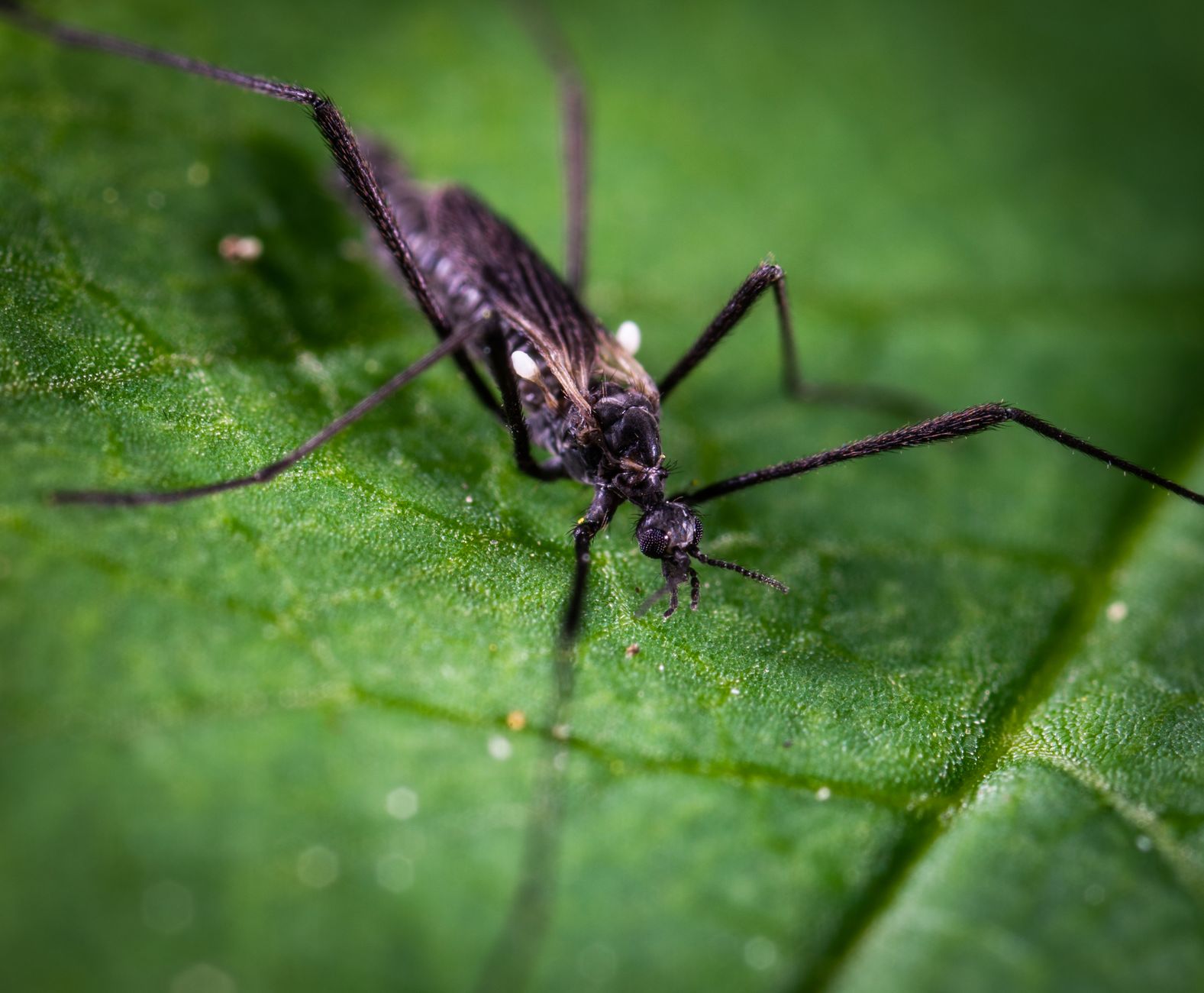
Edmonton residents face a significant spike in mosquito populations this week. Torrential weekend rainfall combined with sudden heat created ideal breeding conditions. This surge follows a period of high moisture across the Alberta capital region. The sudden shift in weather has triggered a massive hatching event in stagnant water pools. Readers will learn about current population trends and municipal mitigation strategies. Residents should prepare for increased activity during outdoor ventures. This report details the biological triggers, municipal responses, and safety measures necessary for the coming weeks.
- Heavy weekend rains triggered massive hatching across standing water sites.
- Warm, sunny conditions are accelerating the larval development cycle.
- City pest control teams are monitoring high-risk zones for larval activity.
- Public health officials advise increased vigilance against mosquito-borne illnesses.
Why is the Edmonton mosquito population rising so rapidly?
The combination of moisture and heat acts as a catalyst. Stagnant water from recent storms provides the necessary habitat. Larvae thrive when temperatures rise quickly after a heavy downpour. This specific sequence of weather events is a known trigger for floodwater mosquitoes. These insects lay eggs in soil that eventually floods. Once the water arrives, the eggs hatch almost simultaneously. This leads to a sudden, overwhelming presence of adult mosquitoes.
Recent data indicates that soil moisture levels remained high throughout the spring. The weekend deluge provided the final requirement for a population explosion. Biologists note that eggs can remain dormant for years. They wait for the perfect alignment of water and warmth. That alignment occurred this past weekend across the Edmonton area. The resulting hatch is one of the most concentrated in recent memory. Experts predict the adult population will peak within days.
How does municipal management address the infestation?
The City of Edmonton utilizes biological controls to manage larvae. Technicians target specific drainage areas and roadside ditches. They focus on killing mosquitoes before they reach the adult flying stage. This approach is more effective than spraying for adult insects. It reduces the overall population at the source. Monitoring stations track the daily trap count to determine severity. These traps provide real-time data on species distribution.
Field crews are currently prioritizing areas with the highest water accumulation. This includes low-lying parks and suburban development sites. The city employs specialized equipment to reach difficult terrain. Expertise from the City of Edmonton Mosquito Control program suggests proactive measures are essential. Their strategy relies on early intervention in the larval stage. This prevents the exponential growth seen in unmanaged regions. Crews work around the clock during these peak hatching windows.
What are the health implications for Alberta residents?
Higher mosquito counts increase the risk of nuisance bites. They also raise concerns regarding more serious health issues. Public health officials monitor for mosquito-borne illnesses like West Nile virus. While the risk remains low, increased activity warrants extra caution. Bites can cause significant irritation and allergic reactions in some individuals. Children and the elderly are often more susceptible to these effects. Maintaining a barrier between the skin and the insects is the best defence.
Increased activity typically peaks during the late afternoon and evening. This is when many residents utilize city parks and trails. Wear light-coloured, long-sleeved clothing to minimize exposure. Insects are less attracted to lighter shades than dark colours. Ensure window screens are intact to prevent entry into homes. Check for small tears that might allow pests inside. A single breach can lead to multiple mosquitoes entering a living space.
How can homeowners mitigate breeding on their property?
Private property owners play a crucial role in population control. Mosquitoes require very little water to lay their eggs. Even a small bottle cap of water can host dozens of larvae. Empty any containers holding water on your property immediately. This includes birdbaths, flowerpots, and clogged gutters. Check for hidden pools of water under decks or in crawlspaces. These areas often go unnoticed during routine maintenance.
Turn over wheelbarrows and plastic toys when not in use. Ensure rain barrels are covered with fine mesh screening. This prevents adult females from accessing the water surface. Maintaining a tidy yard reduces the number of resting spots. Mosquitoes prefer tall grass and dense shrubbery during the heat of the day. Keeping lawns mown short helps dissipate moisture more quickly. These simple steps significantly reduce the local mosquito count.
What is the economic impact of the mosquito surge?
Local tourism and outdoor recreation sectors often feel the impact. Golf courses and outdoor festivals may see a dip in attendance. Organizers are now investing in additional pest control measures. This adds an unexpected cost to summer programming budgets. Retailers report a sharp increase in the sale of repellents. Nets and specialized outdoor clothing are also in high demand. This shift in consumer spending reflects the severity of the current situation. Businesses must adapt quickly to maintain their seasonal revenue targets.
The current climate trend suggests a challenging summer for outdoor events. Local businesses in the hospitality sector are already adjusting patio services. They are installing fans and misting systems to deter flying insects. Continued monitoring remains the primary defence against a prolonged infestation. The city continues to update its public advisories as conditions evolve. Staying informed allows residents to enjoy the summer weather safely. Vigilance today prevents a larger problem in the coming months.


