
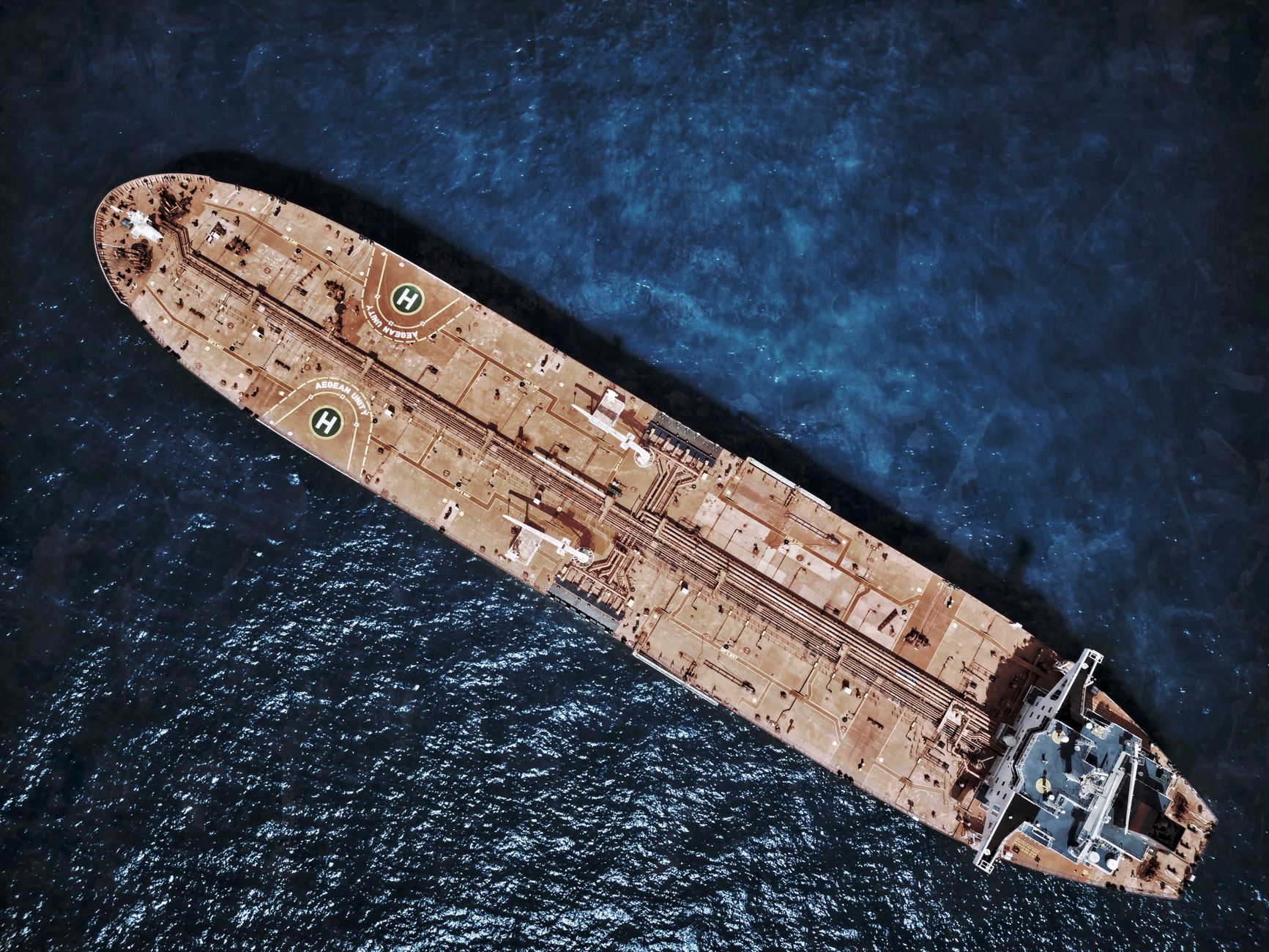
Top U.S. diplomat Marco Rubio recently issued a stern warning regarding escalating tensions in the Gulf region, specifically addressing potential Iranian actions in the Strait of Hormuz. Speaking from Manama, Bahrain, Rubio emphasized that any attempt by Tehran to levy fees on maritime traffic through the critical waterway would precipitate a severe disruption to global commerce and regional security. He described such a move as one that could trigger “total chaos” across international energy markets, given the strategic importance of the Strait of Hormuz for global oil and liquefied natural gas shipments.
Rubio’s remarks come amid heightened geopolitical tensions involving Iran, Gulf Arab states, and Western allies. The Strait of Hormuz remains one of the world’s most critical maritime chokepoints, with a substantial share of internationally traded crude oil passing through the narrow passage each day. Any restrictions on navigation or additional financial burdens imposed on commercial shipping could have immediate consequences for fuel prices, inflation, and supply chains around the world.
- Marco Rubio warned that Iranian transit fees in the Strait of Hormuz could destabilize global trade.
- The waterway carries a significant percentage of the world’s seaborne oil exports and remains strategically vital.
- Shipping companies, energy markets, and governments are closely monitoring developments in the Gulf.
- Analysts warn that prolonged uncertainty could increase shipping costs and global inflationary pressures.
Why is the Strait of Hormuz so important?
The Strait of Hormuz connects the Persian Gulf with the Gulf of Oman and the Arabian Sea, serving as the primary export route for crude oil and natural gas from several major energy-producing nations. Countries including Saudi Arabia, the United Arab Emirates, Kuwait, Iraq, Qatar, and Iran depend heavily on the passage to reach international markets.
At its narrowest point, the strait is only a few dozen kilometres wide, making it one of the world’s most strategically sensitive maritime corridors. Despite its limited width, hundreds of commercial vessels transit the route every month, transporting energy supplies to Europe, Asia, and North America.
Because there are relatively few alternative export routes capable of handling similar volumes, any disruption in the Strait of Hormuz can rapidly affect global commodity markets. Even the possibility of restricted navigation often leads traders to anticipate supply shortages, contributing to higher energy prices before any actual interruption occurs.
What concerns did Rubio raise?
Rubio argued that imposing fees on international shipping through the strait would represent more than a bilateral dispute between Iran and its regional neighbours. Instead, he suggested such a policy could undermine internationally recognized principles of freedom of navigation while placing additional financial burdens on shipping companies already facing elevated insurance and security costs.
According to Rubio, increased transit costs would likely be passed along the supply chain, affecting refiners, manufacturers, transport companies, and ultimately consumers. Higher shipping expenses could contribute to rising prices for fuel, food, and countless imported goods around the world.
He also emphasized the importance of maintaining stability in one of the world’s most economically significant maritime regions, calling for continued international cooperation to safeguard commercial navigation.
Potential Economic Consequences
Economists note that uncertainty in the Strait of Hormuz has historically influenced global financial markets. Oil futures often respond immediately to geopolitical developments in the Gulf, reflecting concerns about potential supply disruptions.
If shipping companies were required to pay additional transit fees or alter established routes, transportation costs would almost certainly increase. Marine insurers could also raise premiums to account for heightened geopolitical risk, further increasing operational expenses.
Countries that rely heavily on imported energy could experience renewed inflationary pressure if crude oil prices climb significantly. Manufacturing industries, airlines, logistics providers, and agricultural sectors would all face higher operating costs, with those increases potentially reaching consumers through higher retail prices.
Financial markets may also react to prolonged uncertainty, as investors typically monitor developments in major energy-producing regions when assessing global economic prospects.
Regional Security Concerns
Beyond economics, the Strait of Hormuz remains central to regional security planning. Naval forces from multiple countries regularly patrol the area to protect commercial shipping and deter potential threats to maritime traffic.
Over the years, the region has experienced episodes involving vessel seizures, attacks on commercial tankers, and heightened military activity. These incidents have reinforced the strategic importance of maintaining open shipping lanes while encouraging diplomatic efforts to reduce tensions.
Security analysts caution that any escalation involving maritime commerce could increase the risk of misunderstandings or unintended confrontations among regional and international actors operating in close proximity.
How Shipping Companies May Respond
International shipping firms continually evaluate geopolitical developments when planning routes and managing operational risk. If uncertainty persists, some companies may increase security measures, revise sailing schedules, or seek additional insurance coverage before entering the Gulf.
Although alternative export routes exist for limited volumes of oil and gas, they cannot fully replace the capacity of the Strait of Hormuz. Consequently, most commercial operators would likely continue using the waterway while carefully monitoring official advisories and security assessments.
Energy producers and commodity traders are also expected to strengthen contingency planning to reduce potential disruptions should regional conditions deteriorate.
Diplomatic Efforts to Preserve Stability
Regional governments and international partners continue to emphasize diplomacy as the preferred approach to addressing tensions in the Gulf. Maintaining open channels of communication remains essential for reducing the risk of conflict and ensuring uninterrupted commercial navigation.
Analysts suggest that coordinated diplomatic engagement can help reassure global markets while encouraging restraint from all parties involved. International maritime law and long-standing principles governing freedom of navigation remain central to these discussions.
Many observers believe that sustained dialogue offers the best opportunity to prevent economic disruption while protecting one of the world’s most vital shipping corridors.
Global Markets Watching Closely
Businesses, governments, and investors worldwide are closely following developments in the Strait of Hormuz because of the waterway’s outsized influence on global energy supplies. Even modest increases in uncertainty can have ripple effects across financial markets, transportation networks, and industrial production.
For energy-importing nations, preserving stable shipping routes remains a strategic priority. For exporters, uninterrupted access to international markets is equally critical to economic growth and government revenues.
Rubio’s warning underscores the interconnected nature of today’s global economy, where regional geopolitical developments can quickly influence prices and supply chains across continents. Whether through diplomacy, security cooperation, or international legal frameworks, maintaining stability in the Strait of Hormuz will remain a key objective for policymakers seeking to avoid the “total chaos” that major disruptions could bring to global trade and energy markets.


