
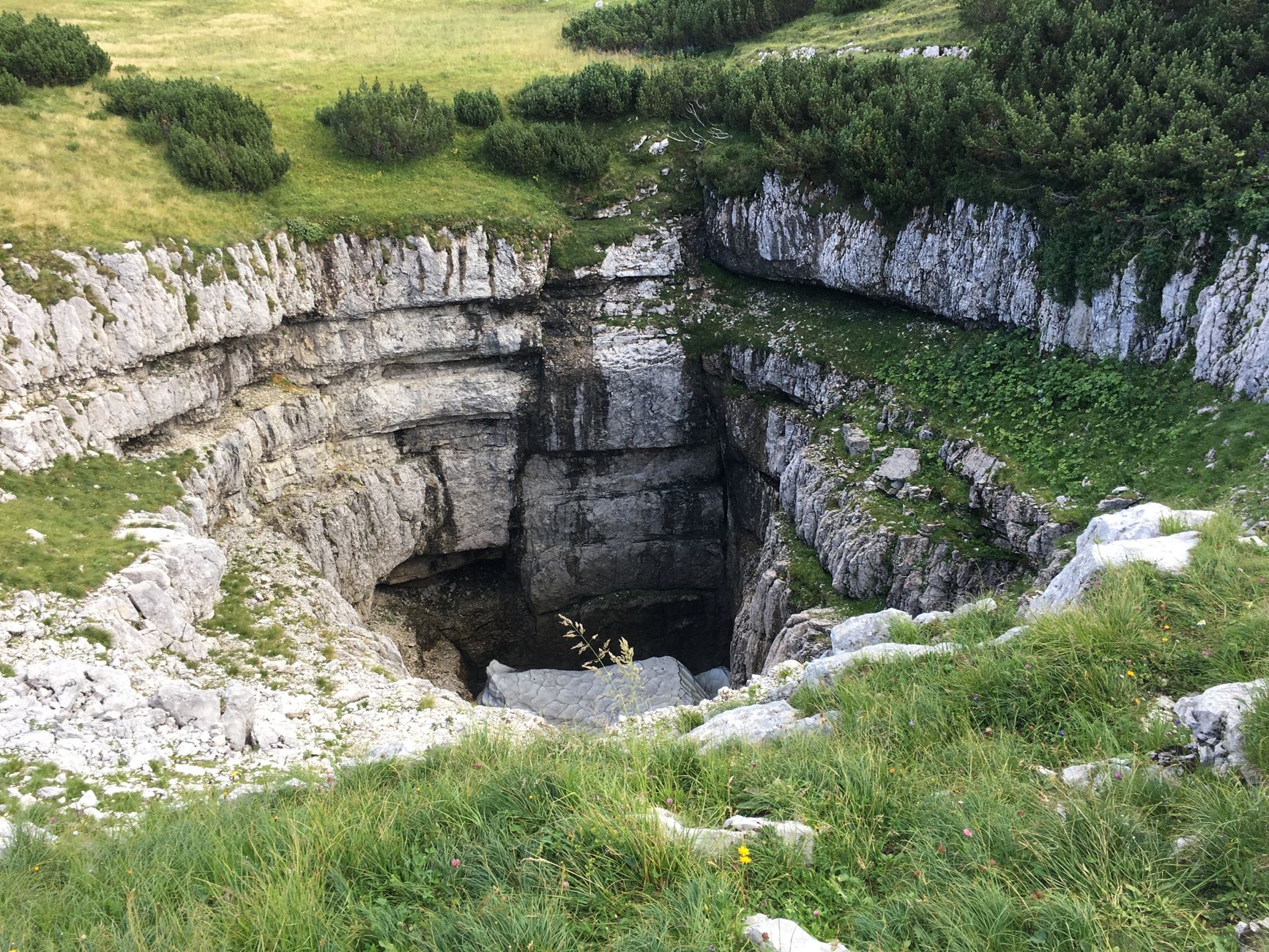
A massive, deep north Edmonton sinkhole has opened following intense weekend thunderstorms, exposing severe vulnerabilities in the municipal infrastructure. City officials and utility provider EPCOR confirmed recent torrential downpours pushed the wastewater system to its absolute limits. This sudden structural failure has disrupted local transit and raised urgent questions about urban climate resilience. Readers will learn about the immediate causes of the collapse, the municipal response, and the long-term impacts.
- A major sinkhole in north Edmonton has disrupted local traffic following severe weekend thunderstorms.
- City officials and EPCOR confirmed the municipal wastewater system reached its maximum capacity.
- Climate-induced weather patterns are accelerating infrastructure wear across urban Alberta centres.
How Did Extreme Weather Overwhelm Edmonton Wastewater Systems?
The weekend storm dropped unprecedented levels of rain across the Edmonton capital region in a very short period. Consequently, excess stormwater overwhelmed underground pipes, washing away the soil beneath the roadway. This erosion eventually triggered the dramatic collapse of the asphalt in north Edmonton.
In recent years, Edmonton has faced increasingly frequent and intense summer storm events. Local utility operators have warned that older neighbourhoods remain highly vulnerable to these sudden weather shifts. Municipal records indicate that parts of Edmonton’s drainage network date back several decades.
These older systems were not designed to handle the rapid runoff from modern, high-intensity storms. As urban sprawl increases, concrete surfaces replace natural soil, preventing rainwater absorption. Consequently, water flows directly into the sewer system at an accelerated rate. This compounding effect places immense stress on vulnerable underground assets.
What Immediate Risks Do These Structural Collapses Pose?
During the intense weekend storm, local drainage networks faced immense hydraulic pressure. EPCOR officials reported that the volume of water exceeded designed safety thresholds. When wastewater systems run beyond capacity, water escapes into surrounding soil.
This process undermines the structural integrity of roads from below. As a result, a deep void formed under the pavement before the surface finally collapsed. Engineers refer to this phenomenon as a wash-out sinkhole. Preventative maintenance becomes difficult when storms exceed historical thresholds.
When torrential rain hits, the volume of water quickly overwhelms the capacity of older pipes. This overload creates high pressure, forcing water out through pipe joints and cracks. The escaped water rapidly erodes the surrounding sand and soil. Over time, this erosion creates a massive underground cavern beneath the street. Without soil support, the heavy asphalt above eventually collapses under its own weight. Geotechnical engineers note that these events are becoming more common in major Canadian cities.
How Will Edmonton Address Its Aging Infrastructure Challenges?
The immediate danger of a sudden road collapse centres on public safety and transportation disruption. Emergency crews quickly cordoned off the affected north Edmonton roadway to protect motorists. Additionally, underground utility lines, including natural gas and water mains, face rupture risks.
EPCOR crews are currently on-site assessing potential damage to nearby service lines. Residents in the immediate vicinity may experience temporary water pressure fluctuations. Local authorities advise commuters to avoid the area and utilize designated detour routes.
Beyond the obvious traffic hazards, sinkholes present severe risks to underground utilities. Gas lines, electrical conduits, and telecommunications cables often run parallel to sewer mains. A sudden collapse can sever these vital connections, causing widespread service outages. Furthermore, repairing a deep sinkhole requires extensive excavation and specialized heavy machinery. This process can block key arterial roads for weeks, disrupting local business supply chains. Pedestrians must also exercise extreme caution near active construction and collapse zones.
What Are the Long-Term Solutions for Urban Runoff?
Addressing these systemic vulnerabilities requires significant capital investment and modern engineering solutions. The city has already initiated several stormwater mitigation projects in high-risk zones. However, upgrading thousands of kilometres of underground pipes remains a monumental task.
According to the City of Edmonton Stormwater Management guidelines, sustainable drainage systems are vital for long-term urban resilience. These guidelines emphasize the integration of green infrastructure to absorb excess runoff naturally. Transitioning to these modern systems will take years of sustained municipal funding.
To combat this growing threat, municipal planners are prioritizing infrastructure renewal. The city is investing in smart monitoring technology to detect pipe leaks early. Acoustic sensors and robotic cameras help crews identify structural weaknesses before collapses occur. Additionally, upgrading existing pipes to larger diameters helps manage sudden water surges. These proactive measures are essential to safeguard communities against unpredictable weather patterns. However, funding these massive engineering projects requires careful budgetary balancing.
What Does This Mean for Edmonton Homeowners and Businesses?
Property owners must now adapt to the realities of a changing urban landscape. Localized flooding and road closures can severely impact daily business operations. Furthermore, prolonged infrastructure repairs often lead to localized traffic congestion and property access issues.
Homeowners should inspect their private sewer backup valves to prevent basement flooding during future storms. Insurance premiums in affected urban areas may also adjust to reflect rising flood risks. Ultimately, community preparedness will play a crucial role in mitigating future infrastructure emergencies.
For local residents, the situation highlights the importance of personal emergency preparedness. Installing backwater prevention valves can save homeowners thousands of dollars in water damage. Landscaping properties to slope away from foundations also helps redirect dangerous runoff. Furthermore, supporting municipal green initiatives can reduce the load on the sewer network. By working together, cities and citizens can build more resilient urban environments. Proactive adaptation remains the best defence against the unpredictable forces of nature.


