
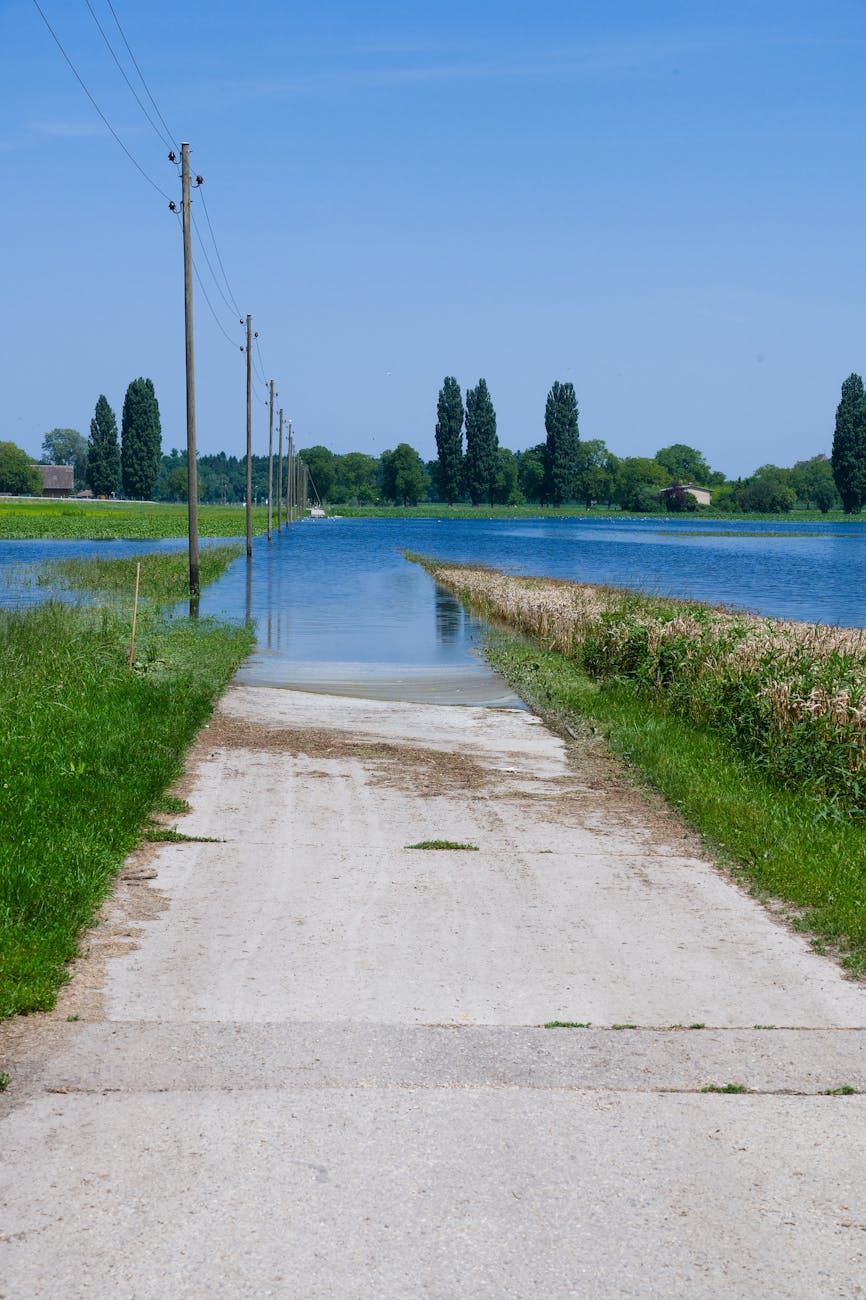
The recent flooding in Saskatchewan has left some rural municipalities (RMs) concerned about the availability of repair money, as the government works on temporary solutions while waiting for the water to recede. The flooding has caused significant damage to infrastructure, including roads and bridges, with the full extent of the damage still unknown. According to reports, the government is currently assessing the situation and developing a plan to address the damage.
Context
The flooding in Saskatchewan is not an isolated incident, as the province has experienced several severe flooding events in recent years. The frequency and severity of these events have raised concerns about the need for more effective flood mitigation measures. The Saskatchewan government has been working to improve its emergency response and flood mitigation efforts, but more needs to be done to address the root causes of the problem.
Climate change is believed to be a contributing factor to the increased frequency and severity of flooding in Saskatchewan, as it leads to more extreme weather events. The province’s geography, with its many rivers and lakes, also makes it prone to flooding. The combination of these factors has created a challenging situation for the government and RMs to manage.
Main Body
The Saskatchewan government has announced plans to provide funding for flood relief efforts, but the amount and timing of the funding are still uncertain. RMs are concerned that the funding may not be sufficient to cover the full cost of repairs, which could leave them with significant financial burdens. The government has indicated that it will work with RMs to assess the damage and develop a plan to address it, but the process is expected to take time.
Experts say that the key to effective flood mitigation is to take a proactive approach, rather than simply responding to emergencies as they arise. This includes investing in infrastructure, such as flood-resistant construction and green infrastructure, as well as implementing policies to reduce the risk of flooding. The Saskatchewan government has taken some steps in this direction, but more needs to be done to address the root causes of the problem.
Expert Perspectives
According to Dr. John Pomeroy, a hydrologist at the University of Saskatchewan, the flooding in Saskatchewan is a complex issue that requires a comprehensive approach. ‘We need to take a holistic approach to flood management, one that includes not just emergency response, but also long-term planning and infrastructure investment,’ he said. ‘This includes investing in green infrastructure, such as wetlands and floodplains, as well as implementing policies to reduce the risk of flooding.’
Implications
The flooding in Saskatchewan has significant implications for the province’s economy and residents. The damage to infrastructure and property could have long-term effects on the province’s economy, and the displacement of residents could have social and emotional impacts. The government’s response to the flooding will be critical in determining the extent of the damage and the speed of the recovery.
As the situation continues to unfold, RMs and residents are left to wonder what the future holds. The government’s plan to address the damage and prevent future flooding events will be closely watched, and the outcome will have significant implications for the province. With the right approach, Saskatchewan can recover from this disaster and become more resilient to future flooding events.


