
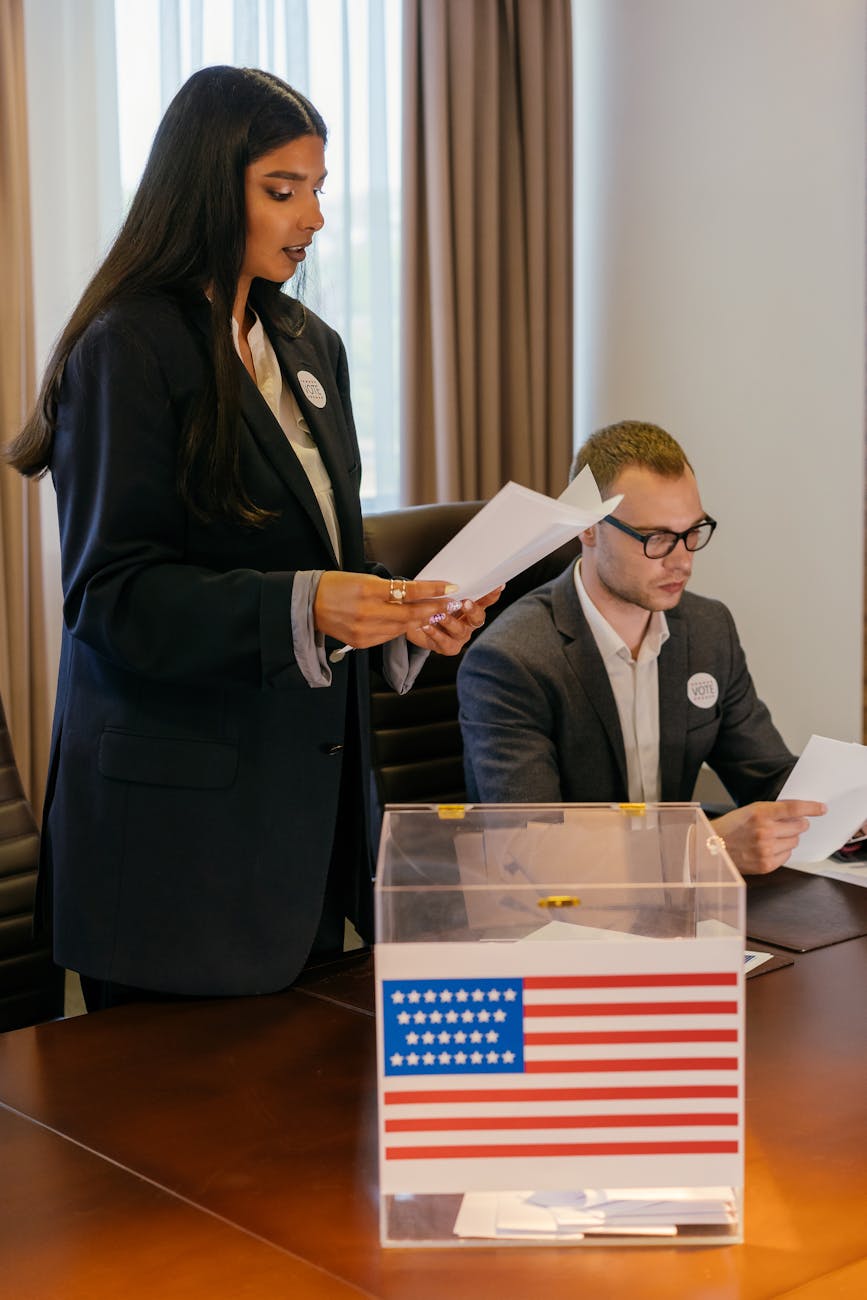
In a development that has shaken the province’s medical leadership, two board members of the Ontario Medical Association (OMA) resigned following an Ontario Medical Association election controversy involving allegations of unfair treatment toward a Jewish candidate. Dr. Hal Berman, a Toronto-based palliative care specialist, claims his bid for president-elect was compromised when the association appended a warning to his profile regarding his social media activity. The controversy, which unfolded between February and March 2026, has sparked a heated debate regarding procedural transparency and the potential for systemic bias within professional medical governance.
The Context of Professional Vetting in Medical Elections
The Ontario Medical Association represents over 43,000 physicians, residents, and medical students across the province. To maintain professional standards, the OMA employs a vetting process for candidates seeking leadership roles, which includes a review of their public presence and social media activity. This screening is designed to ensure that candidates align with the OMA’s Code of Conduct and Civility, focusing on professionalism rather than personal political opinions.
For the 2026 election, the OMA utilized Promeus, an executive recruitment firm specializing in equity, diversity, and inclusion (EDI), to facilitate the screening process. Promeus, in turn, contracted a third-party firm to conduct background and reference checks on all candidates. According to the OMA, this process is a standard component of their vetting practice, intended to provide members with comprehensive information before they cast their ballots.
Social Media Flagging and the ‘Combative’ Label
During the election cycle, Dr. Hal Berman was informed that a note had been added to his campaign profile on the OMA website. The disclaimer stated that his social media posts between late 2024 and December 2025 used language characterized by a “confrontational and combative tone.” Berman, who has been vocal about rising antisemitism and his identity as the grandson of Bundists, argued that his posts were focused on advocacy rather than unprofessionalism.
The social media activity in question included criticisms of the New Democratic Party (NDP) regarding its handling of antisemitism and critiques of international figures regarding their commentary on the Israel-Hamas war. Specifically, Berman had criticized MP Heather McPherson for her timing of messages to the Jewish community and her stance on the conflict. Berman noted that while his profile was flagged, other candidates who engaged in political activism were not subjected to similar warnings.
“Of all the presidential candidates and the board candidates, mine was the only one that was singled out. If you’re Jewish, you’re combative, argumentative. If you’re not Jewish, then it’s just political views.”
Berman requested the removal of the disclaimer, arguing it constituted election interference. While the OMA eventually modified the language to suggest that his activity “may not align” with the code of conduct, the candidate remained unsatisfied, suggesting the damage to his reputation had already occurred.
Internal Friction and Board Member Resignations
The handling of Berman’s candidacy led to immediate fallout within the OMA’s internal leadership. On February 17, 2026—the same day Berman’s profile was published with the warning—board members Paul Hacker and Paul Conte resigned from their positions. Their departure was not an endorsement of Berman’s platform, but rather a protest against the procedural choices made by the association.
Dr. Hacker expressed his disagreement with the practice of publishing third-party commentary on a candidate’s “tone” or “style” as part of the formal election process. He stated that he could not in good conscience continue to serve when his views on fair process and governance oversight no longer aligned with the Board’s direction. The OMA characterized these departures as personal decisions by individuals nearing the end of their terms, asserting that board quorum remained intact.
Expert Perspectives on Governance and Bias
The incident has drawn criticism from former OMA leadership. Dr. Sohail Gandhi, who served as OMA president from 2019-2020, described the situation as a failure of institutional competence. While Gandhi did not believe the actions were rooted in antisemitism, he argued that the association had “botched” the election process, potentially exposing the organization to legal liability.
Conversely, Lisa Salamon, President of the Jewish Medical Association of Ontario, alleged a more malicious undertone. She suggested that Berman was held to a different standard because of his advocacy against antisemitism. Salamon noted that many Jewish doctors have become hesitant to speak out due to fears of professional repercussions, suggesting that Berman’s treatment serves as a cautionary tale for others in the field.
Implications for Physician Leadership and EDI Policies
The controversy raises significant questions about the future of physician governance in Ontario. As professional organizations increasingly rely on third-party firms to manage equity and diversity screenings, the criteria for what constitutes “combative” or “unprofessional” language remains subjective. This lack of clear definitions can lead to inconsistencies that undermine member confidence in the democratic process.
For the medical community, the situation highlights the tension between personal advocacy and professional expectations. As physicians are encouraged to be social advocates, the boundaries of that advocacy are being tested within the frameworks of their governing bodies. The OMA maintains that its processes are fair and transparent, yet the resignation of high-integrity board members suggests a need for a rigorous review of how social media vetting is applied to future candidates.
Moving forward, the OMA and similar professional bodies may face pressure to establish more objective metrics for social media screening. Ensuring that vetting processes are applied equally across all political and cultural spectrums is essential for maintaining the integrity of leadership elections. For Ontario’s doctors, the focus remains on ensuring that the individuals elected to represent them are chosen through a process that is beyond reproach and free from the perception of bias.


