
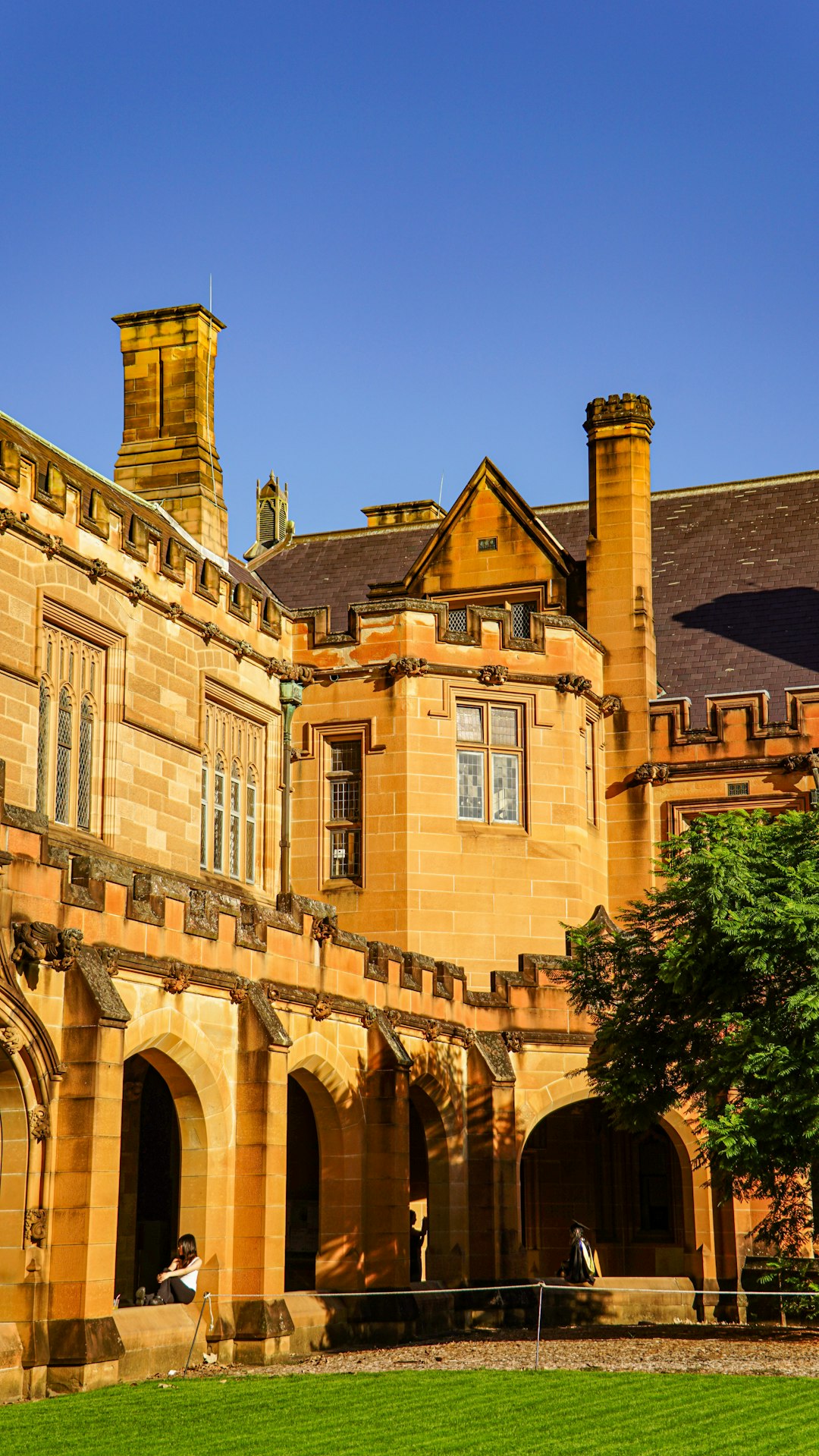
Netflix has officially confirmed that the highly anticipated A Different World sequel series concluded principal photography for its inaugural season in Atlanta, Georgia, during the final week of April. This production milestone brings the fictional Hillman College one step closer to returning to screens, revitalizing a franchise that profoundly influenced North American television culture in the late 1980s and early 1990s. The streaming giant’s decision to revive the property underscores a broader industry trend of revisiting legacy intellectual properties to bridge the gap between nostalgic Gen X viewers and younger, socially conscious audiences.
The original series, which aired from 1987 to 1993, was a groundbreaking spin-off of The Cosby Show that shifted its focus to the lives of students at a fictional Historically Black College or University (HBCU). By addressing complex social issues such as racial identity, the HIV/AIDS crisis, and class dynamics, the show became a cultural touchstone. Its return via Netflix represents a strategic effort to capture the unique energy of HBCU life for a modern streaming environment, where representation and authentic storytelling are paramount to subscriber retention.
The Significance of the Atlanta Production Wrap
Filming in Atlanta, often referred to as the “Hollywood of the South,” provided the production with access to a rich pool of local talent and a geographic setting that mirrors the traditional aesthetic of Southern HBCUs. The wrap of Season 1 signals that the project has moved into the intensive post-production phase, where editing and sound design will shape the new series’ tone. Industry insiders suggest that the A Different World sequel aims to maintain the heart of the original while introducing a fresh perspective through a new generation of Hillman freshmen.
According to production data from the Georgia Film Office, the series utilized several locations across the metropolitan area to recreate the sprawling, historic feel of the Hillman campus. This choice of location is not merely logistical; Atlanta is home to the Atlanta University Center (AUC), the largest contiguous consortium of African American higher education institutions in the world. This proximity likely provided the production with an authentic atmosphere that resonates with the show’s core themes of academic excellence and community building.
“The return of Hillman College is not just about nostalgia; it is about providing a platform for stories that are often sidelined in mainstream media, ensuring the HBCU experience remains a visible part of the cultural zeitgeist,” noted one media analyst familiar with the production.
Expert Perspectives on the HBCU Narrative
Educational historians and media experts have long pointed to the “A Different World effect,” a documented surge in HBCU enrolments during the original show’s initial run. Dr. Marcus Thorne, a researcher in media representation, suggests that the sequel could trigger a similar phenomenon for modern institutions. “When students see their potential reflected in a prestigious, supportive, and culturally rich environment like Hillman, it changes their perception of what is possible in higher education,” Thorne stated in a recent symposium on television influence.
Furthermore, the creative team behind the sequel reportedly includes veterans from the original production alongside new voices, ensuring a balance between tradition and contemporary relevance. This collaborative approach is designed to honour the legacy of past characters while exploring the modern challenges faced by university students today, including the impact of social media, the gig economy, and evolving political landscapes.
Strategic Implications for the Streaming Industry
For Netflix, the A Different World sequel is a key component of its diversified content strategy. As the streaming market reaches saturation in North America, platforms are increasingly looking to deep-catalogue reboots to maintain loyalty among specific demographic segments. By reviving a series with an established fan base, Netflix reduces the marketing risk associated with new intellectual properties while tapping into the lucrative market for diverse, character-driven dramedies.
Market data indicates that legacy sequels often perform significantly better in their first season compared to entirely original concepts, largely due to pre-existing brand awareness. This series joins a growing list of reboots that seek to update 20th-century hits for a 21st-century audience, following in the footsteps of successful revivals like Bel-Air and Fuller House. The move also aligns with Netflix’s public commitment to increasing the diversity of its on-screen and behind-the-scenes talent.
What Readers and Viewers Can Expect Next
As the series enters post-production, anticipation is building regarding the official release date and the potential for cameo appearances from original cast members. While Netflix has remained tight-lipped about specific plot points, the central narrative is expected to follow a new group of freshmen as they navigate the academic and social rigours of Hillman College. The show is poised to address how the HBCU experience has evolved in the decades since the original series concluded its run.
For fans and industry observers alike, the wrap of Season 1 in Atlanta is a promising sign that the return to Hillman is imminent. As the project moves toward a likely late-2024 or early-2025 premiere, it serves as a reminder of the enduring power of television to shape social narratives and celebrate educational heritage. Viewers should keep a close eye on official streaming announcements for the first teaser trailers, which will offer a glimpse into the updated world of Hillman College and the new faces set to define its future.


