
A British Columbia couple remains in hospital isolation on Vancouver Island after one individual tested presumptive positive for the rare Andes hantavirus following an outbreak on the M.V. Hondius cruise ship. Health officials confirmed on Saturday that the individual was admitted for care on May 14, while their spouse also exhibits mild symptoms. This developing situation has prompted the Public Health Agency of Canada (PHAC) to initiate strict biocontainment protocols to prevent local transmission of the Andes hantavirus B.C. cruise ship outbreak strain. Readers will learn about the specific risks of this viral strain, the rigorous 42-day isolation period required for high-risk contacts, and why health authorities maintain that the general risk to Canadians remains low.
- One presumptive positive case and two additional hospitalizations are currently under monitoring in B.C.
- The Andes strain is unique for its potential for human-to-human transmission through sustained close contact.
- PHAC is tracking 26 additional flight contacts, though they are currently categorized as low-risk.
The current health event stems from an international voyage aboard the M.V. Hondius, where nearly 150 passengers and crew faced a weeks-long quarantine. As the vessel navigated international waters, an outbreak of the Andes strain of hantavirus emerged, eventually resulting in 11 reported cases and three fatalities globally. Four high-risk Canadians from the ship arrived in British Columbia last Sunday, immediately entering a mandatory isolation period that could span up to six weeks.
What is the Andes hantavirus and why is it significant?
Hantaviruses are a family of viruses spread mainly by rodents. While North American strains typically involve transmission through the inhalation of dust contaminated by rodent droppings, the Andes strain found in South America is distinct. It is the only known hantavirus that can spread directly between humans. This rare characteristic necessitates a higher level of clinical vigilance and more aggressive isolation strategies than standard viral infections.
The B.C. Provincial Health Office reports that the National Microbiology Laboratory in Winnipeg is currently processing samples from the hospitalized individuals. Results from these definitive tests are expected within the next 48 hours. These findings will determine whether the presumptive cases are confirmed as the specific Andes lineage associated with the cruise ship cluster.
How are B.C. health officials managing the risk?
Dr. Bonnie Henry, B.C.’s Provincial Health Officer, emphasized that infection control measures were active the moment the high-risk travellers entered the province. Health teams are monitoring all four individuals daily. While the initial isolation period was set at 21 days, Dr. Henry indicated this could extend to 42 days depending on symptom progression and global data trends. This extended window accounts for the virus’s incubation period and the duration of potential viral shedding.
The Public Health Agency of Canada continues to coordinate the national response, ensuring that all potential points of contact are identified. This includes 26 individuals who shared a flight with a confirmed case. However, officials have categorized these passengers as “low or minimal risk” due to their seating proximity and the nature of the virus’s transmission requirements.
“The data to date suggest the Andes virus requires sustained close contact, and not just close, like an adjacent room. We are talking about close, physical contact,” states Matthew Miller, a Canada Research Chair in viral pandemics at McMaster University.
What are the transmission risks for the general public?
Despite the hospitalizations, experts maintain that the general public faces negligible risk. Historically, human-to-human transmission of hantavirus remains an outlier rather than the norm. Most documented cases involve individuals living in the same household or providing direct, unprotected care to an infected person. In the context of the M.V. Hondius outbreak, the controlled environment of a cruise ship likely facilitated the initial spread.
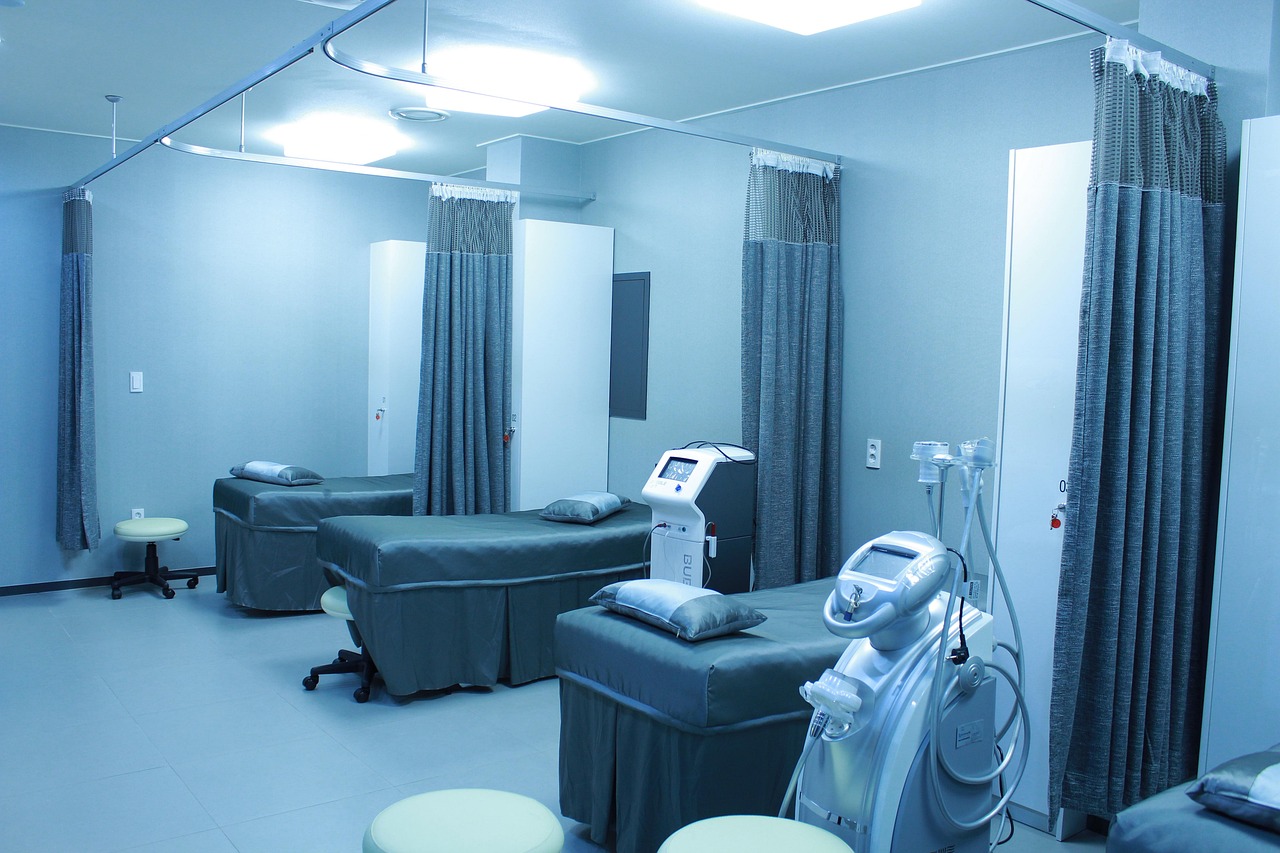
The B.C. healthcare system has utilized specialized isolation wards to ensure the virus does not exit the clinical environment. Staff treating the patients follow rigorous personal protective equipment (PPE) protocols. Dr. Henry reassured the public that the situation has not changed for the average citizen, as no community spread has occurred within the province.
Why is the National Microbiology Laboratory involved?
The National Microbiology Laboratory (NML) in Winnipeg serves as Canada’s primary facility for high-consequence pathogen testing. Because hantavirus requires Level 3 or Level 4 containment for certain procedures, the NML is the only site in the country equipped to provide the definitive molecular sequencing needed for this case. This laboratory confirmation is a critical step in the public health response, allowing officials to map the genetic signature of the virus and compare it to international samples.
Data provided by the NML helps epidemiologists understand if the virus is mutating or if it matches the profile of previous South American outbreaks. This scientific oversight provides the evidence-backed foundation for the isolation timelines recommended by PHAC. Current global data shows that of the 11 cases linked to the ship, eight are lab-confirmed, two are probable, and one remains inconclusive.
What should the public expect in the coming weeks?
As the 42-day monitoring period continues, health authorities will provide regular updates on the status of the hospitalized couple and the third individual undergoing assessment. The focus remains on containment and the recovery of those affected. Dr. Joss Reimer, Canada’s chief public health officer, noted that while the outbreak is evolving, further spread within Canada is not expected.
The precautionary approach taken by B.C. health officials serves as a blueprint for managing rare imported pathogens. By exceeding the minimum isolation recommendations of international bodies like the WHO in certain contexts, the province aims to eliminate any margin for error. This proactive stance ensures that even if the presumptive positive is confirmed, the infrastructure is already in place to prevent a wider outbreak. Residents are encouraged to stay informed through official channels while continuing their daily activities without alarm, as the healthcare system manages these isolated cases with precision.


