
In a move to stabilize global trade, China has committed to purchasing at least $17 billion (USD) in U.S. agricultural products annually through 2028. The White House announced this long-term procurement strategy following a high-stakes two-day summit in Beijing this week. This agreement aims to provide market certainty for American producers while addressing persistent trade imbalances between the two economic superpowers. Readers will learn how this multi-year commitment influences U.S. agricultural exports, global commodity pricing, and the logistical frameworks required to sustain these volumes.
- China guarantees a minimum annual spend of $17 billion on U.S. farm goods through 2028.
- The deal focuses on bulk commodities including soybeans, corn, and livestock products.
- Agreement follows a bilateral summit designed to reduce market volatility in the Pacific region.
How will the $17 billion annual commitment impact global markets?
The guaranteed purchase of agricultural goods provides a floor for commodity prices that have faced significant volatility over the last decade. By securing a multi-year window, the White House seeks to insulate farmers from the sudden shifts in demand that characterized previous trade disputes. This stability allows for better long-term planning regarding crop rotation and infrastructure investment.
Global grain markets responded immediately to the news, with futures for soybeans and corn seeing moderate gains on the Chicago Board of Trade. Because China is the world’s largest importer of soy, this consistent demand ensures that American surpluses have a dedicated destination. This move also impacts North American competitors, as Canadian and Brazilian exporters must now navigate a market where a significant portion of U.S. supply is pre-allocated.
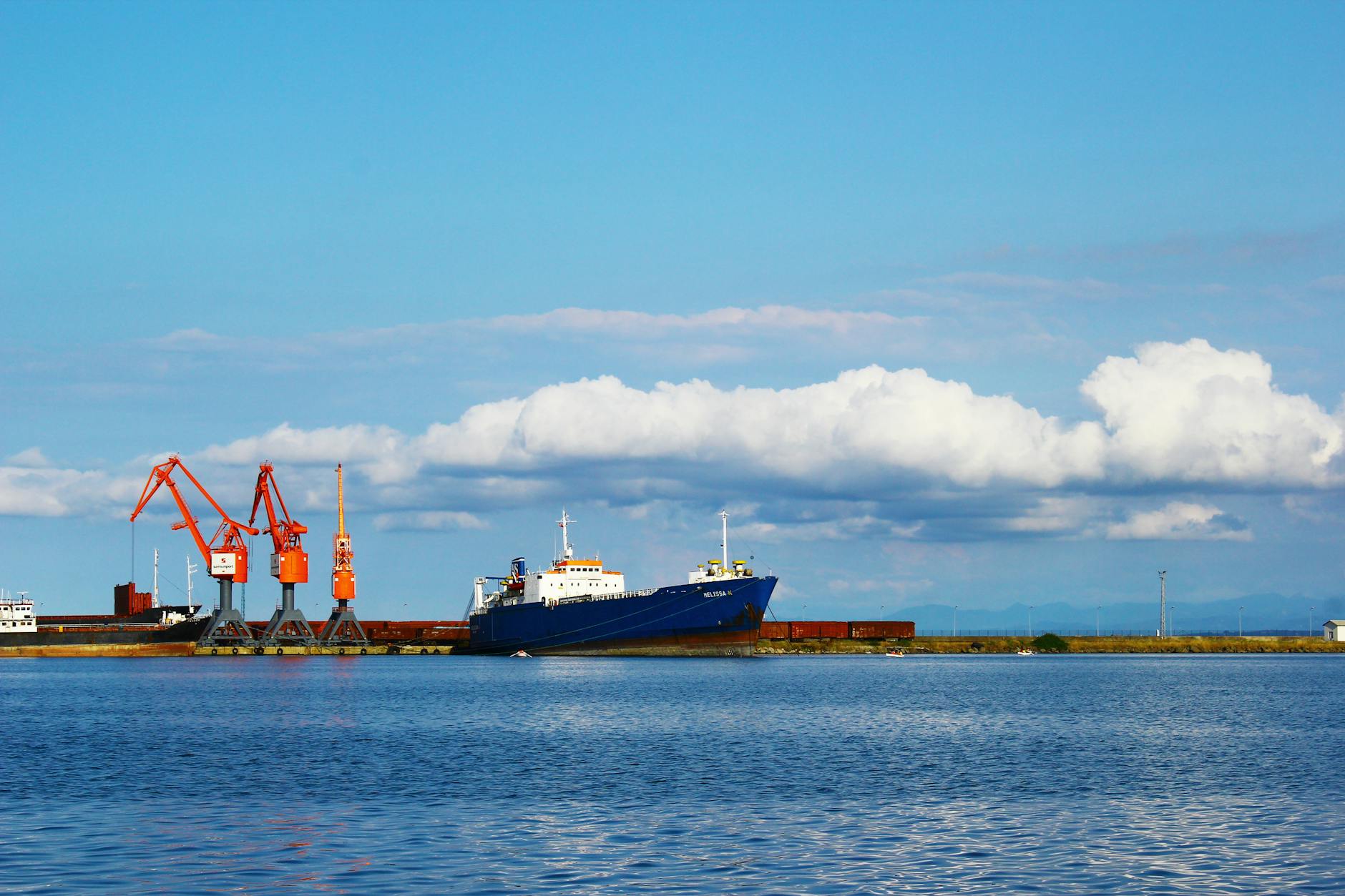
Logistical providers are already preparing for the sustained volume. Port authorities along the U.S. Gulf Coast and the Pacific Northwest anticipate a steady flow of bulk carriers. This consistency helps shipping lines optimize their schedules and reduce the costs associated with empty backhauls.
Which agricultural commodities are prioritized in the new trade framework?
The White House fact sheet highlights a diverse range of products, though bulk grains remain the cornerstone of the deal. Soybeans, used primarily for animal feed in China’s expanding livestock sector, represent the largest share of the projected value. Corn and wheat also feature prominently as China seeks to bolster its domestic food security reserves.
Beyond grains, the agreement includes provisions for meat and dairy products. The Chinese middle class continues to demand higher protein intake, driving a need for consistent imports of pork, beef, and poultry. This sector-specific demand provides a boost to the U.S. Midwest, where livestock production is a primary economic driver.
Technical specifications and phytosanitary standards were also addressed during the summit. Both nations agreed to streamline inspection processes to prevent port delays. These administrative improvements are essential for perishable goods like fruit and dairy, which require rapid transit to maintain quality.
“This agreement represents a structural shift from transactional purchases to a strategic partnership in food security,” noted one senior trade official during the Beijing press briefing.
What does the 2028 timeline mean for agricultural supply chains?
A four-year horizon is rare in international trade agreements, which often rely on annual renewals. This extended timeline allows for significant capital investment in the American heartland. Farmers can more confidently invest in precision agriculture technology and expanded storage facilities knowing that the largest buyer in the world is committed to the market.
The USDA Foreign Agricultural Service monitors these export trends to ensure that domestic supply remains sufficient for local consumers while meeting international obligations. Historically, such large-scale agreements have required careful balancing to avoid domestic price spikes. The current framework includes “surge protections” to prevent market distortions during years of low crop yields.
Secondary industries, such as rail transport and barge operators on the Mississippi River, also benefit from this predictability. When export volumes are known in advance, these companies can better manage their fleets. This efficiency ultimately reduces the carbon footprint of the entire supply chain by minimizing idle time and optimizing routes.
Expert perspectives on long-term trade stability
Economic analysts suggest that this $17 billion figure is a floor, not a ceiling. If market conditions are favourable, actual spending could exceed the minimum requirements. However, the presence of a legal minimum provides a safety net that was missing during the trade disruptions of the early 2020s. This helps stabilize the rural economy, which often bears the brunt of geopolitical tensions.
Critics of the deal point out that such managed trade can sometimes lead to dependencies. If China’s domestic economy slows significantly, meeting these purchase targets could become difficult. Nevertheless, the White House maintains that the current agreement includes enough flexibility to account for global economic shifts while protecting the interests of American producers.
For Canadian farmers, the deal presents both challenges and opportunities. While it secures a market for their southern neighbours, it also stabilizes global prices from which Canadian exporters benefit. The interconnected nature of the North American agricultural grid means that prosperity in the U.S. Midwest often spills over into the Canadian Prairies.
Strategic procurement on this scale requires constant diplomatic oversight. Both nations have agreed to quarterly reviews to monitor progress and resolve any technical disputes before they escalate. This proactive communication channel is designed to prevent the use of agricultural tariffs as leverage in other geopolitical discussions. By decoupling food trade from broader diplomatic friction, both nations aim to ensure a more resilient global food system.
As the first shipments under this new agreement prepare to depart, the focus shifts to implementation and logistics. The success of this $17 billion annual commitment will depend on the ability of both nations to maintain open shipping lanes and transparent regulatory environments. For the global agricultural community, the next four years offer a rare opportunity for growth under a framework of relative certainty.


