
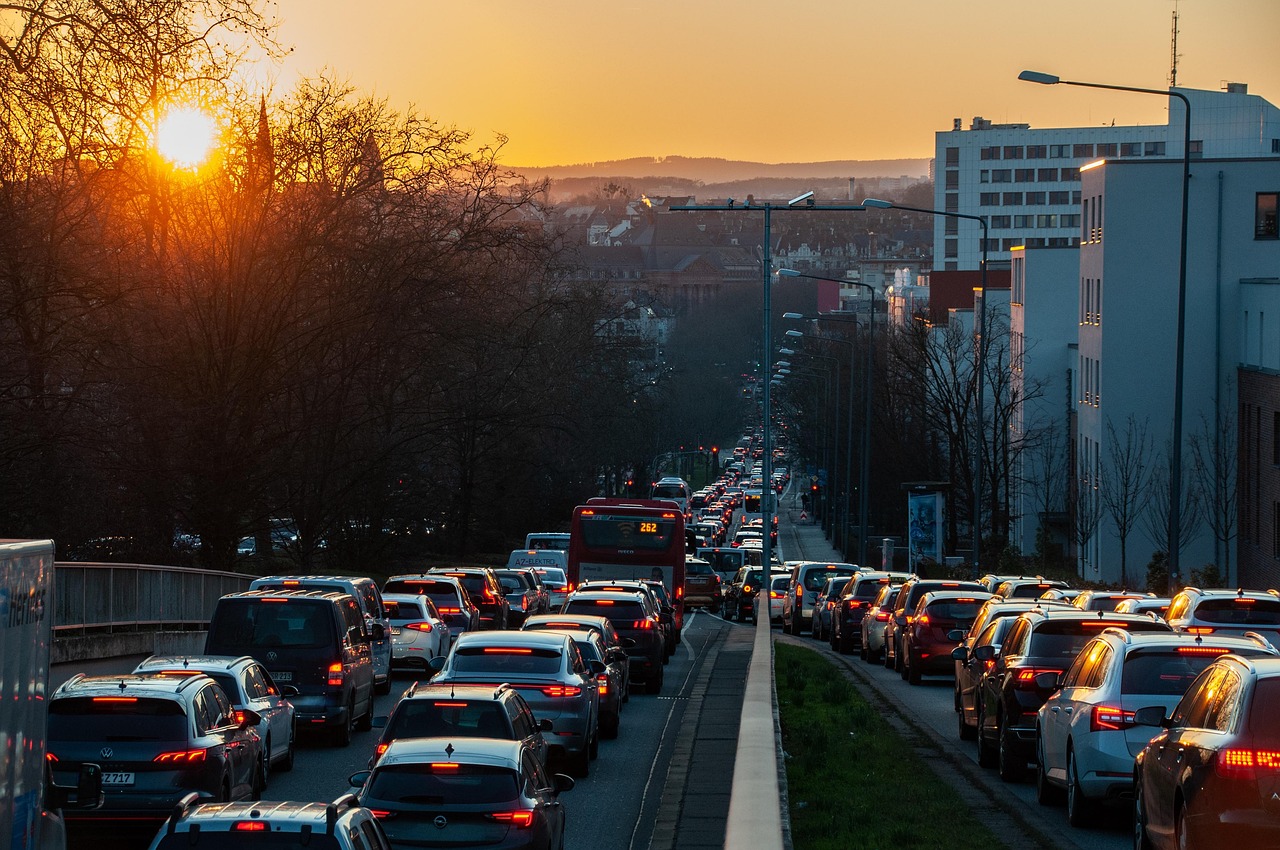
Southwest Edmonton residents are navigating unprecedented traffic gridlock this summer as the City of Edmonton accelerates several major infrastructure projects simultaneously. What was once a routine 30-minute commute from the Windermere neighbourhood to the downtown core has ballooned into a two-hour ordeal for many motorists. This surge in roadwork aims to modernize the city’s aging infrastructure, but the immediate impact has left thousands of drivers facing extreme delays. In this report, you will learn about the specific projects causing these delays, the data behind the congestion, and how the city plans to mitigate the ongoing Edmonton road construction traffic crisis.
- Commute times in southwest Edmonton have increased by up to 300% during peak morning and afternoon hours.
- Simultaneous work on Terwillegar Drive and the Anthony Henday Drive is the primary driver of the current congestion.
- City officials are urging motorists to utilize public transit or adjust work hours to avoid the most severe bottlenecks.
The southwest quadrant of Edmonton has experienced rapid residential growth over the last decade. This expansion has significantly outpaced existing road capacity, leading to a critical need for infrastructure upgrades. The 2026 construction season represents a peak in the city’s “catch-up” strategy, with record funding allocated to arterial road widening and transit corridor development.
Local residents report that the sheer volume of orange pylons has turned daily errands into logistical challenges. Many drivers now check multiple navigation apps before leaving their driveways. Despite these efforts, the limited number of river crossings and arterial exits in the southwest makes detouring nearly impossible.
Why is southwest Edmonton traffic so bad right now?
The primary cause of the current gridlock is the convergence of several high-priority projects within a small geographic area. Major arterial roads are restricted to single lanes to accommodate utility relocations and surface repaving. This creates a bottleneck effect that ripples through residential feeder streets, trapping vehicles in their own neighbourhoods.
The City of Edmonton has prioritized these projects to take advantage of the short summer construction window. However, the lack of staggered scheduling has drawn criticism from community leagues. Residents argue that closing multiple access points at once leaves them with no viable alternatives for reaching work or school.
Active construction sites now dot every major intersection from 23 Avenue to the city limits. This density of work ensures that even if one road is clear, the next will likely be restricted. The resulting stop-and-go traffic significantly increases fuel consumption and vehicle wear for thousands of Edmontonians.
Which major infrastructure projects are causing the most delays?
The Terwillegar Drive Expansion remains the most significant disruptor in the region. This multi-year project aims to add lanes and improve transit priority, but the current phase requires significant lane closures. Crews are currently focused on bridge upgrades and the installation of new drainage systems.
Additionally, maintenance on the Anthony Henday Drive southwest leg has reduced capacity at critical interchange points. The merging of heavy highway traffic with local commuters creates a volatile environment for accidents. Minor fender-benders on these restricted routes often result in total standstills for hours.
Secondary projects on Rabbit Hill Road and 170 Street have further complicated the situation. These roads typically serve as relief valves for Terwillegar Drive but are currently operating at half capacity. The simultaneous nature of these upgrades has effectively boxed in several southwest communities.
How are local residents and businesses adapting to the gridlock?
Many residents are adjusting their daily schedules to avoid the 7:00 AM to 9:00 AM peak. Some have shifted their start times to as early as 6:00 AM to beat the first wave of congestion. Others have turned to cycling or electric scooters for shorter trips within the southwest.
Local businesses in the Currents of Windermere report a shift in customer patterns. Retailers have seen a decrease in afternoon foot traffic as shoppers avoid the area during the evening rush. Some employers in the region are re-introducing flexible remote work options to help staff avoid the daily commute entirely.
“We have seen a noticeable change in when people choose to shop. The four-to-six window is now very quiet because no one wants to be caught in the 170 Street crawl,” says one local business owner.
What is the City of Edmonton doing to manage the congestion?
City planners are utilizing real-time data to adjust signal timings at major intersections. This dynamic approach allows for longer green lights on the most congested routes during peak flow. According to the City of Edmonton’s official roadwork project map, crews are also working extended shifts to meet project deadlines faster.
The city is also encouraging the use of the expanded LRT lines and Park and Ride facilities. By moving more people onto mass transit, officials hope to reduce the total number of single-occupancy vehicles on the road. However, for many in the deep southwest, transit remains a less convenient option than driving.
Recent data points indicate that the city has increased its use of night shifts for paving operations. This strategy aims to complete the most disruptive work while traffic volumes are at their lowest. While this adds to the project cost, the savings in public productivity are deemed worth the investment.
Looking ahead at the 2026 construction schedule
Urban planning experts suggest that “construction fatigue” is a common side effect of rapid urban renewal. Data from the city’s transportation department shows a 15% increase in vehicle volume in the southwest compared to two years ago. These figures highlight the urgent need for the very upgrades that are currently causing the delays.
The current frustration reflects the growing pains of a city transitioning into a major metropolitan hub. While the two-hour commutes are difficult today, the completed projects will eventually reduce travel times significantly. The city expects the majority of the southwest arterial work to be completed by late October.
Drivers should remain patient and plan for continued disruptions through the autumn months. Utilizing navigation tools and exploring carpooling options can help mitigate the daily stress of the commute. As the city matures, these temporary inconveniences will give way to a more efficient and connected transportation network for all residents.


