
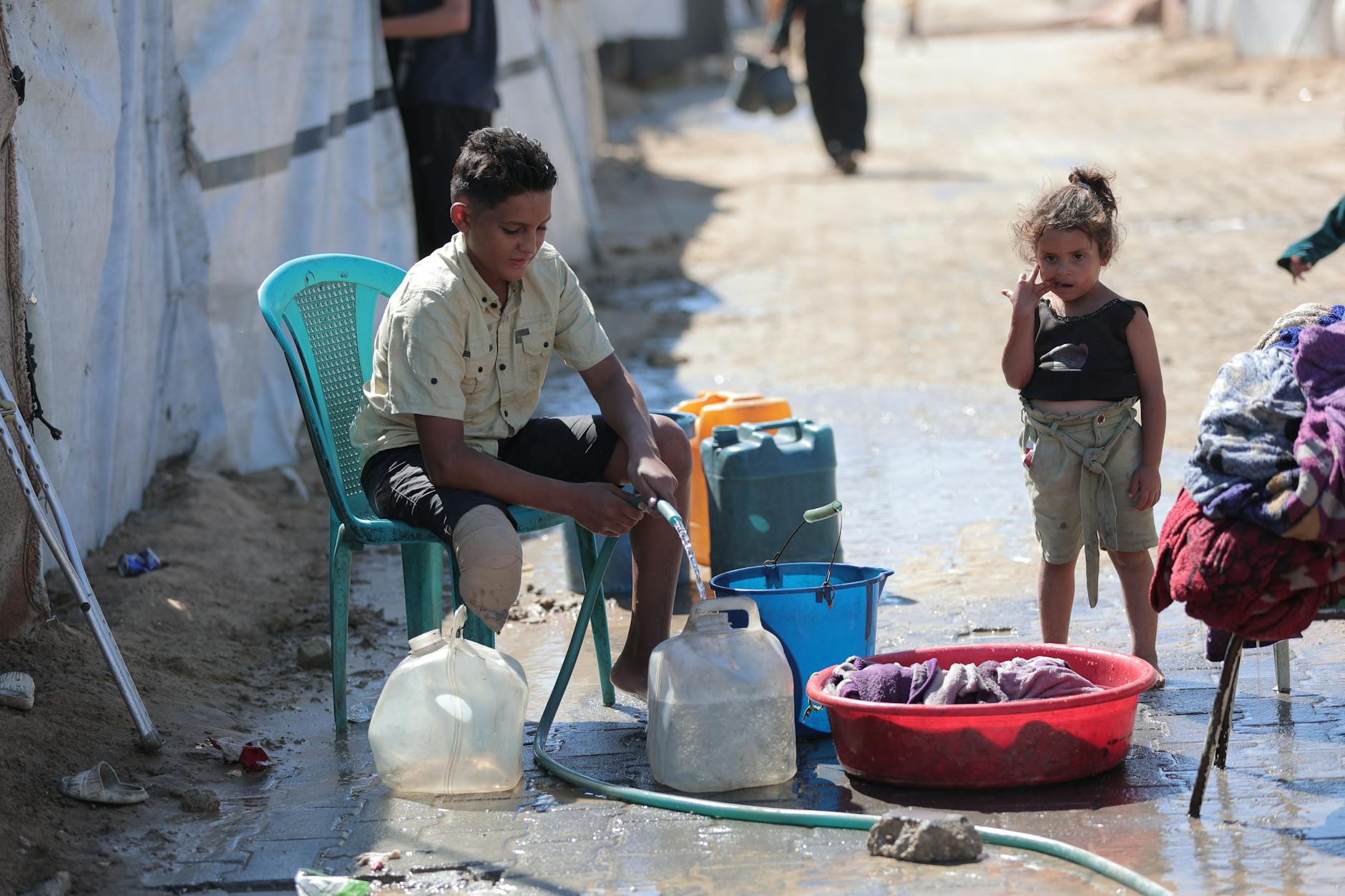
In mid-2026, humanitarian organizations in Gaza are sounding alarms over a catastrophic Gaza skin disease crisis affecting hundreds of thousands of displaced children. The collapse of sanitation infrastructure and extreme overcrowding in tent cities have turned temporary shelters into breeding grounds for infectious dermatological conditions. Medical teams report that these ailments, often appearing as burn-like rashes, are now the leading cause of pediatric distress in the region. This article explores the environmental triggers, the breakdown of medical supply chains, and the long-term health implications for the youngest survivors of the ongoing displacement.
- Over 150,000 cases of severe skin infections have been documented among children in central and southern Gaza camps.
- The total absence of clean water and hygiene products facilitates the rapid spread of scabies, impetigo, and fungal rashes.
- Secondary bacterial infections are rising due to the lack of antibiotics and sterile dressing materials.
- Long-term scarring and psychological trauma are emerging as major concerns for pediatric health experts.
Why are skin infections spreading so rapidly in Gaza camps?
The primary driver of this health emergency is the complete failure of the Water, Sanitation, and Hygiene (WASH) infrastructure. In most camps, thousands of people share a single latrine, leading to unavoidable cross-contamination. Stagnant sewage pools near residential tents create a constant reservoir for pathogens and parasites. Without access to soap or sufficient water for bathing, simple irritations quickly transform into systemic infections.
Furthermore, the environmental conditions in these camps exacerbate skin vulnerability. High temperatures and humidity within synthetic tents cause excessive sweating, which macerates the skin and weakens its protective barrier. When children play in contaminated soil or share bedding in cramped quarters, parasitic transfers occur almost instantly. This cycle of reinfection makes standard treatments ineffective, as the environment remains heavily contaminated.
How does the lack of medical supplies affect treatment outcomes?
The healthcare system in Gaza remains in a state of near-total collapse, leaving families with few options for dermatological care. Pharmacies frequently report zero stock of basic antifungal creams, permethrin lotions, or topical steroids. Consequently, parents often turn to traditional remedies or diluted household cleaners, which can cause chemical burns and worsen the initial rash. These burn-like symptoms are often a mix of severe inflammation and the side effects of improper home treatments.
Medical professionals on the ground emphasize that even when medication is available, it is rarely enough to treat an entire household. Treating one child while the rest of the family remains infected leads to immediate relapse. According to the World Health Organization standards for water and sanitation, a minimum of 15 litres of water per person per day is required for basic hygiene, yet many Gaza families survive on less than three litres. This water scarcity makes the consistent application of medical hygiene protocols nearly impossible.
“We are seeing children whose skin is so raw they cannot wear clothes or sleep comfortably. This is not just a cosmetic issue; it is a profound failure of basic human rights and public health safety nets.” — Field Doctor, Al-Mawasi Displacement Zone.
What are the specific dermatological threats facing children?
Scabies and lice remain the most prevalent issues, but more aggressive bacterial infections like impetigo are now common. These infections often start as small blisters that burst and form honey-coloured crusts. In the absence of sterile environments, these sores frequently become infected with Staphylococcus aureus or Streptococcus pyogenes. If left untreated, these bacteria can enter the bloodstream, leading to life-threatening complications such as sepsis or kidney inflammation.
Additionally, the “burn-like” rashes observed by aid workers are often identified as severe contact dermatitis. This is triggered by exposure to toxic rubble dust, chemical residues from munitions, and greywater runoff. The skin of young children is thinner and more absorbent than that of adults, making them significantly more susceptible to these environmental toxins. The chronic itching leads to sleep deprivation, which further weakens the immune systems of already malnourished youngsters.
How can the international community mitigate this pediatric crisis?
Addressing the skin disease crisis requires a dual approach: immediate medical intervention and large-scale infrastructure repair. Aid agencies are calling for the urgent delivery of “hygiene kits” containing soap, laundry detergent, and medicated shampoos. However, these supplies are only a temporary fix if the underlying cause—the lack of clean water—is not addressed. Restoring water desalination plants and repairing sewage networks are the only sustainable ways to stop the transmission of these diseases.
International health experts also advocate for the establishment of specialized dermatological field clinics. These units would focus on mass-treatment protocols to ensure entire camp sectors are treated simultaneously, reducing the rate of reinfection. Providing clean, cotton-based clothing and new bedding to displaced families is another critical step in breaking the parasite life cycle. Without these interventions, the current generation of children in Gaza faces a future of chronic health struggles and permanent physical scarring.
As the situation persists into the latter half of 2026, the focus must shift from emergency response to sustainable health stabilization. Ensuring that children have the means to maintain basic bodily hygiene is not just a medical necessity but a foundational requirement for dignity and recovery. The international community’s ability to facilitate the entry of hygiene supplies will determine whether this skin disease crisis can be contained or if it will evolve into a broader regional health catastrophe.


