
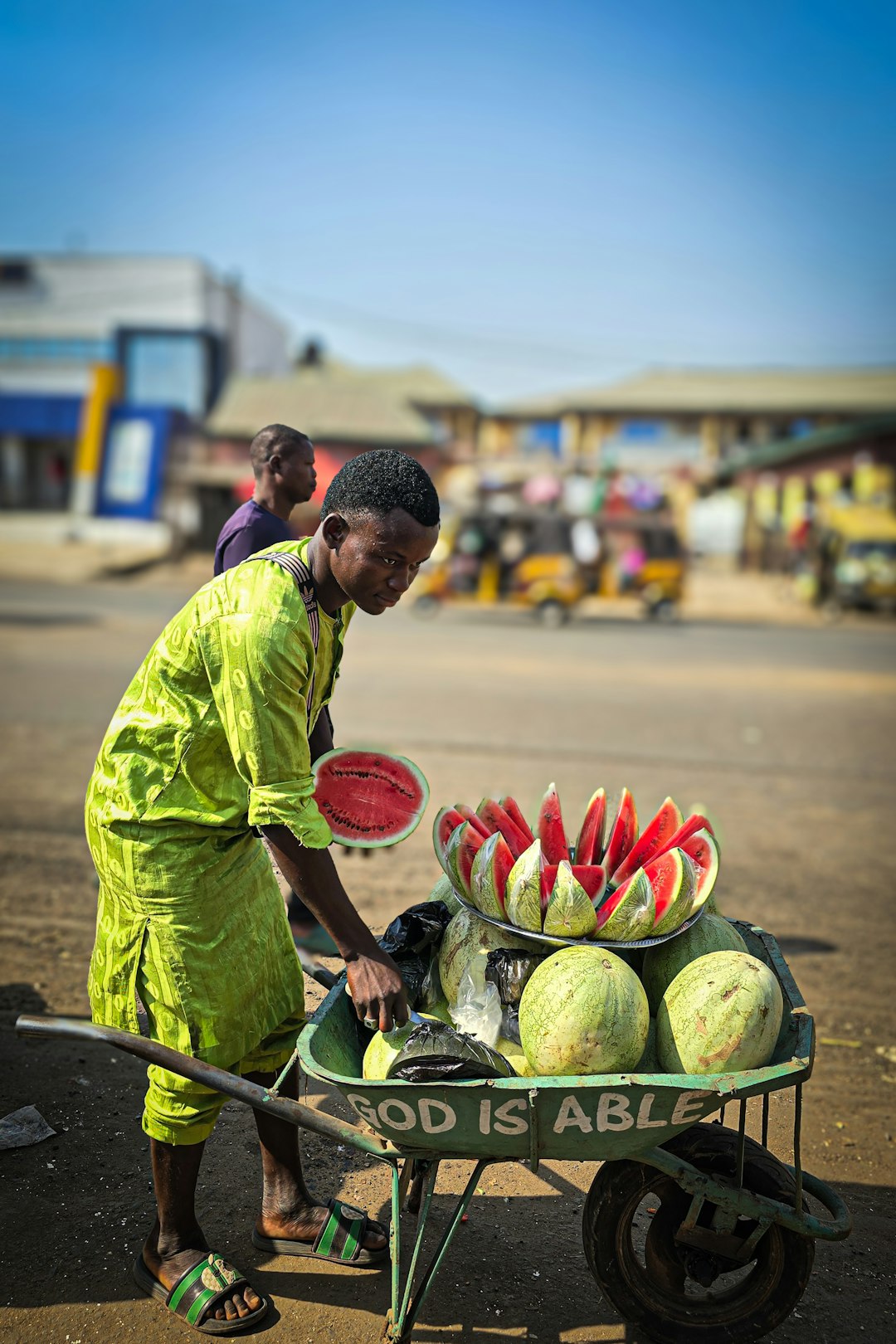
In April 2026, Nigerian families across major hubs like Lagos, Kano, and Abuja are fundamentally altering their Eid al-Fitr traditions as the country’s persistent inflation forces a shift from lavish celebrations to essential-only spending. This economic reality has turned the typically buoyant festive season into a period of calculated austerity, with households prioritizing food security over traditional new attire or large-scale communal gifting. By reading this analysis, you will understand the specific Nigeria Eid spending trends 2026, how consumers are navigating record-high food prices, and the innovative ways communities are preserving their heritage despite financial constraints.
Key Takeaways:
- Shift from individual household feasts to communal “potluck” style celebrations to share costs.
- A significant 45% drop in luxury textile sales as consumers pivot to high-quality second-hand clothing.
- Increased adoption of digital micro-saving apps specifically designed for festive protein purchases.
The current economic climate in Nigeria follows a multi-year period of currency volatility and the removal of longstanding subsidies. These structural changes have trickled down to the average citizen, manifesting in a sharp rise in the price of staples such as rice, vegetable oil, and livestock. Consequently, the 2026 festive season serves as a litmus test for consumer resilience in Africa’s most populous nation.
Why is the cost of living impacting Eid 2026 so significantly?
The primary driver of the current spending shift is the unprecedented surge in food inflation. According to the latest reports from the National Bureau of Statistics, food price indices have reached a decade-high, making the traditional Eid feast nearly three times more expensive than it was five years ago. This has forced a re-evaluation of the “Ileya” spirit, where the act of sharing becomes a necessity rather than just a religious virtue.
Logistics costs have also played a major role. Transporting livestock from the northern belts to southern markets now incurs heavy surcharges due to rising fuel costs. These overheads are passed directly to the consumer, making the purchase of a ram—a central symbol of the celebration—prohibitive for the middle class.
“We are seeing a transition from ‘celebration at any cost’ to ‘celebration within means.’ Families are no longer buying whole cows; they are forming clusters to share the cost of a single animal.”
— Dr. Amara Okechukwu, Economic Analyst
How are Nigerian households adapting their festive budgets?
Adaptation is the hallmark of the 2026 season. Many families have abandoned the tradition of purchasing “Aso Ebi” (customary family outfits). Instead, there is a visible surge in the demand for high-end pre-owned garments, which allows families to maintain a festive appearance without the steep price tag of new lace or brocade fabrics.
In the kitchens, the menu is also changing. While Jollof rice remains a staple, the quantity of expensive proteins is being reduced. Many households are substituting imported ingredients with locally sourced alternatives to keep costs manageable. This shift is boosting local small-scale farmers who offer competitive pricing compared to imported brands.
Retailers have noticed a change in shopping patterns as well. Bulk buying, once a pre-Eid norm, has been replaced by “just-in-time” shopping. Consumers now purchase only what they need for the immediate three-day holiday period to avoid tying up liquid cash in inventory.
The rise of the digital festive economy
Technology is providing a cushion for many. In 2026, “Ram-sharing” apps have gained mainstream popularity. These platforms allow multiple users to contribute small amounts over several months to collectively purchase livestock, which is then slaughtered and distributed among the contributors. This fintech solution has democratized access to festive proteins for low-income earners.
Furthermore, digital marketplaces are seeing higher traffic as consumers hunt for discounts. Social commerce on platforms like WhatsApp and Instagram has become the primary venue for price comparisons. Sellers who offer “festive bundles” at a fixed price are seeing much higher conversion rates than those selling items individually.
What are the long-term implications for Nigeria’s retail sector?
The 2026 spending patterns suggest a permanent shift in Nigerian consumer behaviour. The retail sector is moving toward a value-based model. Brands that previously focused on luxury and volume are now introducing smaller, more affordable “sachet” versions of festive goods to maintain market share. This “sachetization” of the holiday season ensures that even those hardest hit by inflation can still participate in the festivities.
Moreover, the emphasis on local sourcing is likely to stick. As the cost of imports remains high, the domestic supply chain is strengthening. This could lead to a more self-reliant festive economy in the coming years, reducing the impact of global price shocks on local traditions.
Community bonds are also strengthening through these financial trials. The move toward communal cooking and shared resources is reviving older, more collective forms of celebration. While the financial burden is heavy, the cultural fabric of Eid remains intact, albeit in a more modest and sustainable form. Families are finding that the essence of the holiday lies in the gathering of loved ones, regardless of the scale of the feast.
As Nigeria moves forward, the lessons learned during this 2026 crisis will likely shape future economic policies and personal financial planning. The resilience shown by citizens indicates a deep-seated ability to adapt, ensuring that cultural milestones survive even the most challenging economic cycles. For the Nigerian consumer, the focus has shifted from the price of the plate to the value of the people around the table.


