
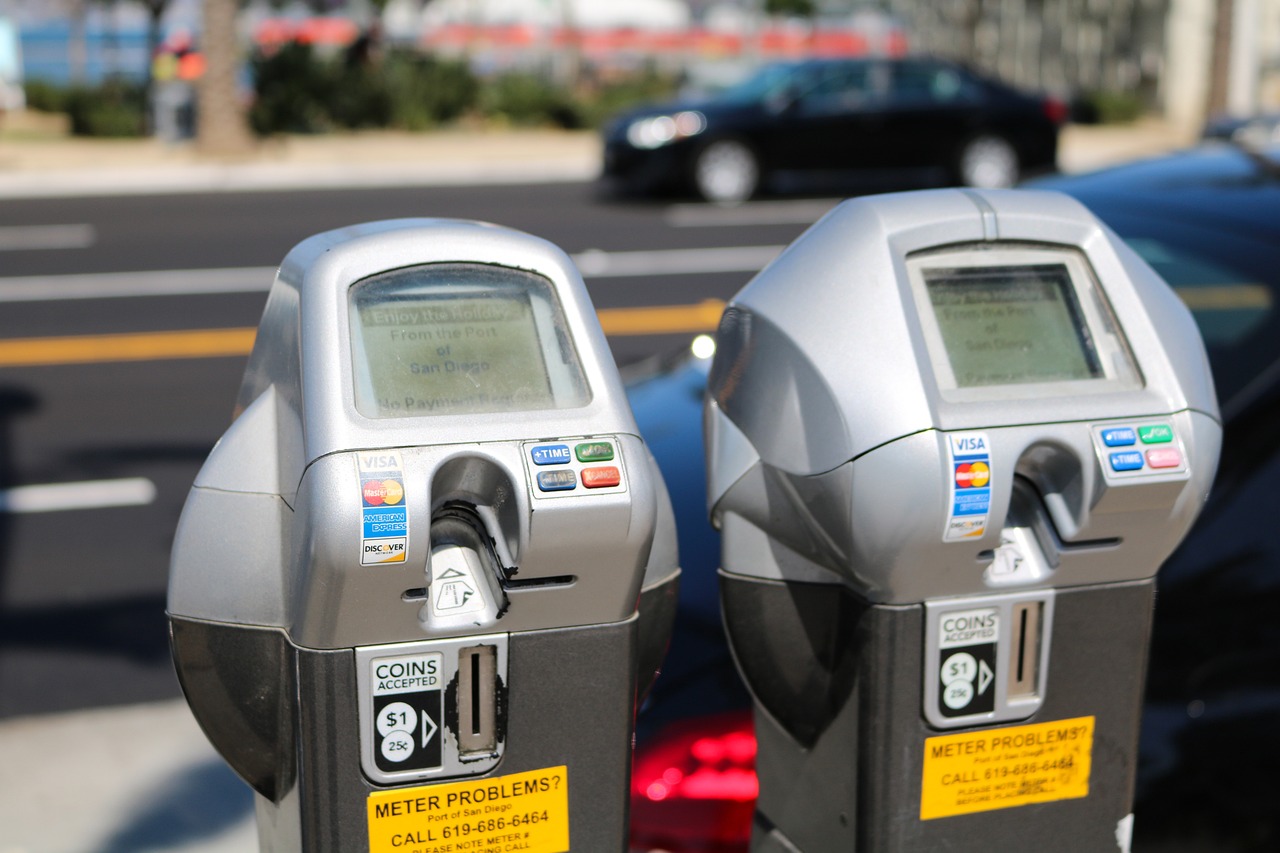
Edmonton City Council is currently evaluating a significant shift in municipal policy that would eliminate the 15-minute free parking grace period and introduce paid parking at major city attractions by late 2026. This proposal aims to address a growing municipal budget deficit while optimizing stall turnover in high-traffic urban zones and recreational sites. Residents and visitors will soon face new costs at locations including the Edmonton Valley Zoo and the Muttart Conservatory. In this article, you will learn about the specific locations affected, the projected costs for commuters, and the rationale behind these Edmonton parking fee changes.
- The 15-minute free grace period in all paid street parking zones will likely be eliminated.
- Paid parking is proposed for major city-run attractions like the Muttart Conservatory and the Valley Zoo.
- Revenue from these changes will support municipal infrastructure maintenance and public transit expansion.
Why is Edmonton changing its parking policy now?
The City of Edmonton faces intensifying pressure to find sustainable revenue streams without relying solely on property tax hikes. Administration officials suggest that the current parking model no longer reflects the high demand for limited space in the downtown core and near river valley attractions. By removing the grace period, the city expects to capture lost revenue from high-frequency, short-term stops.
Furthermore, the introduction of fees at city attractions aligns Edmonton with other major Canadian municipalities. Cities like Calgary and Vancouver have long utilized paid parking at public parks and conservatories to fund facility upgrades. This move marks a transition toward a “user-pay” model for recreational infrastructure.
Data from the City of Edmonton’s official transportation bylaws suggests that parking demand has returned to pre-pandemic levels. However, the costs associated with maintaining these lots have risen by nearly 15% due to inflation and material costs. Consequently, the city is looking to balance the books through targeted service fees.
How will the removal of the 15-minute grace period affect drivers?
For years, Edmontonians relied on the 15-minute window for quick errands, such as picking up dry cleaning or grabbing a coffee. Under the new proposal, the EPark system will require payment immediately upon arrival. This change effectively increases the minimum cost of a quick stop from zero to the base hourly rate or a new minimum increment.
Business owners in the downtown core have expressed concerns regarding this shift. They fear that the loss of the grace period might discourage residents from making quick stops at local storefronts. However, urban planners argue that this will encourage higher turnover, making it easier for shoppers to find available spots during peak hours.
The city plans to update the existing digital infrastructure to reflect these changes. Users of the MyEPark app will likely see notifications regarding the policy shift before the official rollout. The administration insists that the technology is already in place to handle the transition seamlessly.
Which city attractions will introduce paid parking?
The proposal specifically targets several high-profile locations that currently offer free parking for visitors. The Edmonton Valley Zoo and the Muttart Conservatory are at the top of the list for new fee implementation. These sites often experience parking congestion, leading to traffic bottlenecks in surrounding residential neighbourhoods.
“Managing parking demand at our premier attractions is about more than revenue; it is about ensuring equitable access and encouraging sustainable transportation choices for all visitors.”
Other sites under consideration include the Telus World of Science and certain high-use areas within the North Saskatchewan River Valley park system. The city is considering tiered pricing based on peak hours and seasonal demand. For example, parking during a festival or a summer weekend might cost more than a Tuesday morning in November.
What are the socio-economic implications for residents?
Critics of the plan highlight the potential impact on low-income families who rely on city attractions for affordable recreation. To mitigate this, the city is exploring a “low-income transit pass” integration. This would allow eligible residents to receive discounted or free parking vouchers when visiting municipal sites.
From an environmental perspective, the policy shift supports the city’s long-term climate goals. By making it more expensive to drive and park, the administration hopes to nudge more people toward cycling or using the expanded LRT network. This aligns with the broader “City Plan” to create a more dense, transit-oriented urban environment.
The revenue generated is earmarked for a specific fund. This fund will support the upkeep of the very facilities where the fees are collected. This ensures that the glass pyramids of the Muttart and the animal enclosures at the Zoo remain in top condition for future generations.
How should visitors prepare for these changes?
As the city moves toward a final vote on the proposal, residents should begin adjusting their travel habits. Utilizing the MyEPark app remains the most efficient way to manage parking costs. The app allows for remote extensions and provides a clear history of transactions for those tracking their spending.
Exploring alternative transportation methods may also become a financial necessity for frequent visitors to the river valley. The city continues to invest in the bike lane network and the Valley Line West LRT extension. These options will provide reliable alternatives to navigating the new parking fee structure.
Staying informed through official city channels will be crucial as the 2026 implementation date approaches. The final fee schedules and specific enforcement hours will be released following the next round of public consultations. Adapting early to these changes will help residents avoid unexpected fines and ensure a smoother experience when visiting Edmonton’s most cherished landmarks.


