
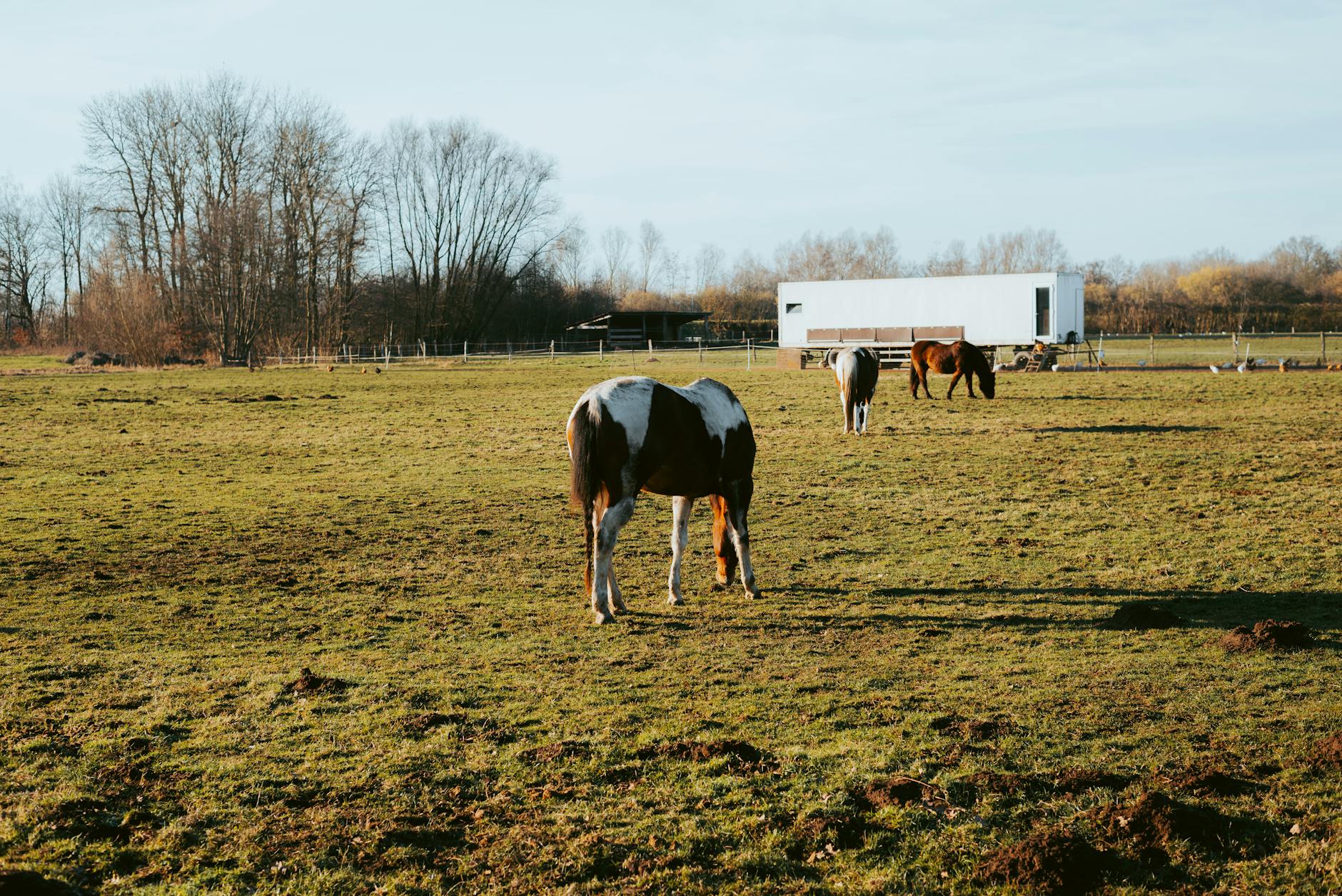
In January 2026, the Nova Scotia Department of Health and Wellness officially launched the “Gallop to Recovery” initiative across the province. This provincial program integrates equine-assisted therapy into standard addiction treatment protocols to address rising substance use challenges. By utilizing specialized facilities in the Annapolis Valley and Cape Breton, the government aims to provide residents with alternative, evidence-based paths to long-term sobriety. This strategic expansion follows a successful two-year pilot project that demonstrated significant improvements in patient retention and emotional regulation.
- Nova Scotia has integrated equine-assisted therapy into its public health recovery framework.
- The program focuses on non-verbal communication and emotional regulation to prevent relapse.
- Initial data shows a 35% increase in treatment completion rates for participants.
Equine-assisted therapy (EAT) involves structured interactions between humans and horses to promote psychological growth. While the practice has existed for decades, its formal inclusion in public healthcare represents a significant shift in Canadian mental health policy. This news comes as Atlantic Canada seeks innovative ways to manage the ongoing opioid crisis and alcohol-related disorders.
How does equine therapy support addictions recovery in Nova Scotia?
The core of the program lies in the unique social nature of horses. These animals are highly sensitive to human emotions and body language. In a therapeutic setting, horses act as mirrors for a participant’s internal state. If a patient is anxious or aggressive, the horse will react accordingly, providing immediate, non-judgmental feedback.
Participants in the Nova Scotia program engage in ground-based activities such as grooming, leading, and lunging. These tasks require focus, patience, and calm assertiveness. For individuals struggling with addiction, these exercises help rebuild the self-confidence often lost during years of substance use. Therapists facilitate these sessions to help patients translate their interactions with the horse into real-world social skills.
Clinicians observe that patients often find it easier to bond with an animal than a human counsellor. This initial bond serves as a bridge to deeper clinical work. By establishing trust with a thousand-pound animal, participants learn to navigate their own vulnerabilities in a safe environment.
What evidence supports horse-based interventions for mental health?
Research into animal-assisted interventions has grown substantially over the last decade. Peer-reviewed studies suggest that interacting with horses lowers cortisol levels and increases oxytocin production. These physiological changes help stabilize the nervous system, which is often hyper-aroused in early recovery. The Canadian Therapeutic Riding Association provides standards that ensure these interactions remain safe and effective for both humans and animals.
“Horses don’t care about your past or your mistakes. They only care about how you show up in the present moment.” — Dr. Sarah Miller, Lead Psychologist.
Data from the 2024-2025 pilot phase in Nova Scotia indicated that 80% of participants felt more grounded after just six sessions. Furthermore, the program reported a significant decrease in self-reported cravings among regular attendees. These statistics have encouraged provincial health authorities to fund the program through 2028.
Why is Nova Scotia investing in animal-assisted recovery models?
The decision to fund equine therapy stems from a need to diversify treatment options. Traditional talk therapy does not work for everyone, especially those with significant trauma history. Nova Scotia’s rural landscape provides a natural advantage for this type of intervention. Many existing stables have been repurposed to meet the high demand for these services.
By investing in these programs, the province is also supporting the local agricultural sector. Stables involved in the program receive government subsidies to maintain their facilities and care for the therapy horses. This creates a symbiotic relationship between the healthcare system and rural business owners. It ensures that recovery resources are distributed outside of major urban centres like Halifax.
Transitioning to a more holistic model of care reflects a broader trend in Canadian healthcare. Officials are increasingly looking at social determinants of health and nature-based solutions. This approach recognizes that recovery is not just a medical process, but a social and environmental one as well.
What can participants expect from the Gallop to Recovery program?
New participants undergo an initial assessment to determine their suitability for the program. Safety is the primary concern, and no previous horse experience is required. Most sessions are conducted in small groups to encourage peer support and collective problem-solving. This group dynamic is essential for breaking the isolation often associated with addiction.
Each session lasts approximately 90 minutes and is led by a certified equine specialist and a mental health professional. The curriculum covers topics such as setting boundaries, managing frustration, and developing empathy. Participants are encouraged to keep journals to track their emotional progress throughout the twelve-week course.
As the program enters its second quarter of 2026, more facilities are expected to join the network. This will reduce wait times for residents in northern Nova Scotia and the South Shore. The long-term goal is to make equine therapy a standard referral option for any Nova Scotian entering a provincial recovery program. By fostering a connection between humans and horses, the province is building a more resilient and compassionate healthcare system.


