
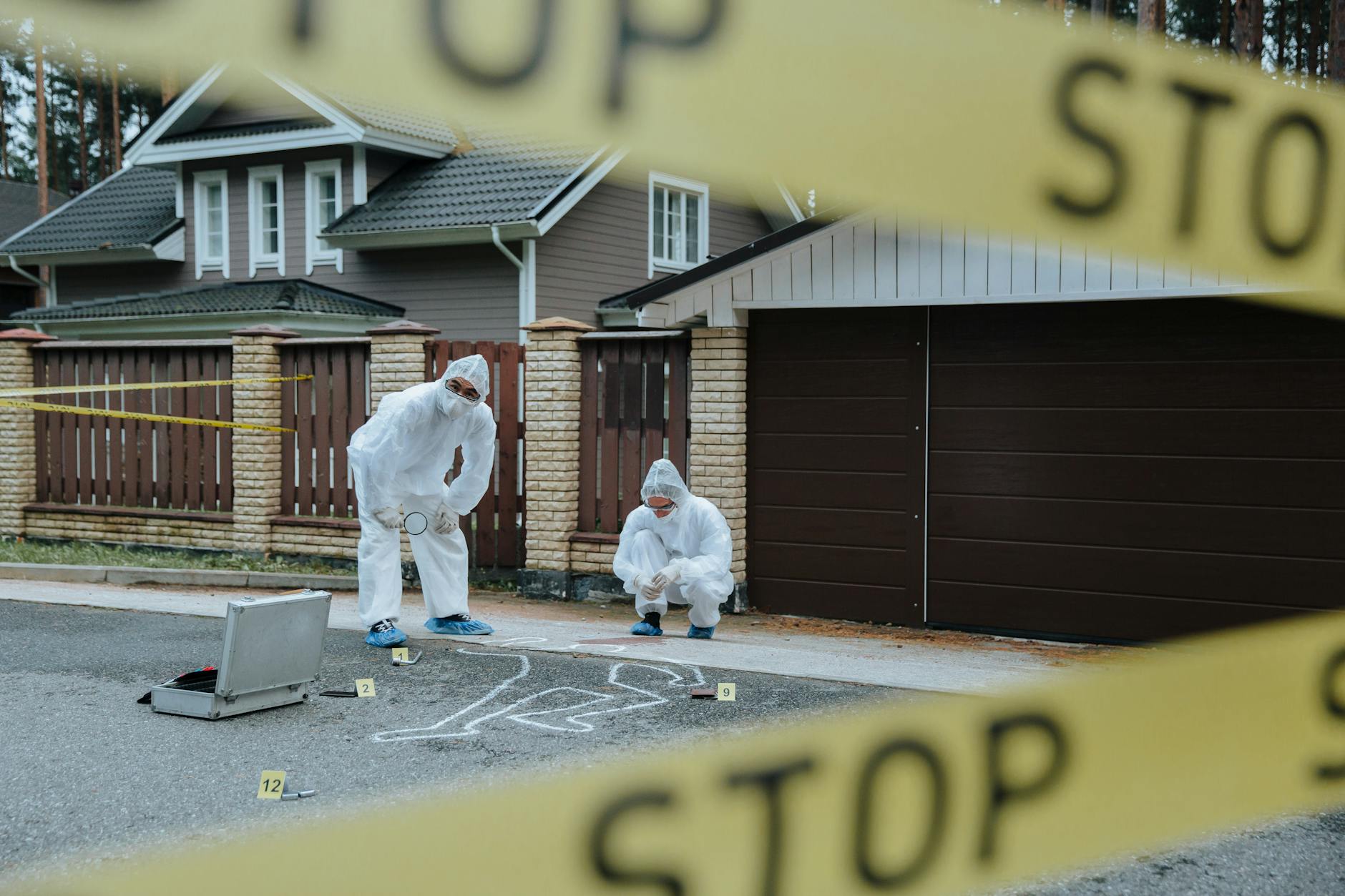
The silence of a Toronto neighbourhood was shattered early Monday morning by the sound of breaking glass. Toronto Police Services responded to a “crime scene” at a local synagogue following a night of targeted vandalism. This incident marks a significant escalation in regional tensions, prompting immediate government intervention. Readers will learn about the investigation, regional crime trends, and new protection laws. Understanding antisemitic hate crimes in Toronto is essential for community safety in 2026.
- The Toronto Police Service (TPS) Hate Crime Unit has taken over the investigation.
- Ontario’s 2026 budget includes expanded grants for religious site surveillance.
- Community leaders are calling for enhanced “bubble zone” legislation around places of worship.
Toronto has faced a challenging landscape of rising social friction over the past twenty-four months. Data from 2025 showed a marked increase in incidents targeting religious infrastructure across the Greater Toronto Area. Local authorities have struggled to balance public safety with the right to protest. However, the recent targeting of a house of worship marks a dangerous shift in tactics. This context is vital for understanding the current security measures being deployed.
How is the Toronto Police Service responding to this incident?
Chief of Police Myron Demkiw confirmed that the Hate Crime Unit is leading the forensic analysis. Officers arrived at the scene at 3:00 AM to find extensive property damage. They discovered hateful graffiti scrawled across the main entrance and several shattered windows. The TPS has increased patrols in the surrounding area to reassure residents. Investigators are currently reviewing high-definition footage from nearby residential security cameras.
Furthermore, the police have established a mobile command unit at the site. This unit provides a visible deterrent against further acts of aggression. Forensic teams are collecting physical evidence to identify the perpetrators. The TPS is collaborating with provincial and federal intelligence agencies on this file. This multi-jurisdictional approach aims to prevent coordinated attacks in other sectors.
What data supports the rise in hate-motivated incidents?
The 2026 Hate Crime Statistics Report indicates a 15 per cent year-over-year increase in targeted vandalism. Religious sites remain the primary targets for these motivated attacks. Statistics Canada reported that hate crimes in urban centres peaked during the first quarter of 2026. This data has pushed municipal leaders to reconsider their current safety strategies. Public concern regarding community cohesion has reached a ten-year high.
“The physical damage to our buildings is secondary to the psychological impact on our families,” stated a local community advocate. “We require proactive protection rather than reactive investigations.”
Legal experts suggest that the current judicial framework may be insufficient for these specific threats. Consequently, the provincial government is reviewing sentencing guidelines for hate-motivated property damage. The goal is to create a stronger deterrent against future criminal activity. Community members are demanding faster response times and more frequent safety audits. These data points highlight the urgency of the current situation.
How is the Security Infrastructure Program evolving in 2026?
The federal government has recently expanded the Communities at Risk: Security Infrastructure Program. This programme provides funding for security enhancements at vulnerable community centres. In 2026, the funding cap for individual sites was increased by 30 per cent. This allows synagogues and schools to install advanced biometric access controls. Many institutions are also hiring private security personnel for 24-hour monitoring.
Additionally, the programme now covers the cost of psychological support for victims of hate crimes. This holistic approach recognizes that security involves more than just physical barriers. Municipalities are also receiving funds to improve street lighting around high-risk zones. These improvements aim to reduce the anonymity that vandals often rely on. Enhanced lighting has already proven effective in reducing nighttime property crimes.
What steps can community members take for enhanced safety?
Community leaders recommend that all religious institutions update their emergency protocols immediately. Staff members should receive training on identifying suspicious behaviour and reporting incidents. Installing visible signage about security cameras can also serve as a deterrent. Neighbourhood watch programmes are being revitalized in many Toronto districts. These groups provide an extra layer of eyes on the ground during late-night hours.
While the physical repairs begin, the psychological impact on the congregation remains a primary concern. Local health networks are offering counselling services to those affected by the violence. Resilience remains a key theme as the community gathers to clean the site. This collective action demonstrates a refusal to be intimidated by hate. The focus is now on rebuilding and strengthening communal bonds.
Moving forward, the integration of technology and community vigilance will be paramount. Legislative changes are expected to be finalized by the end of the summer. These laws will provide additional tools for law enforcement to protect sacred spaces. By staying informed and engaged, residents can contribute to a safer environment for everyone. The commitment to a peaceful Toronto remains the ultimate priority for all citizens.


