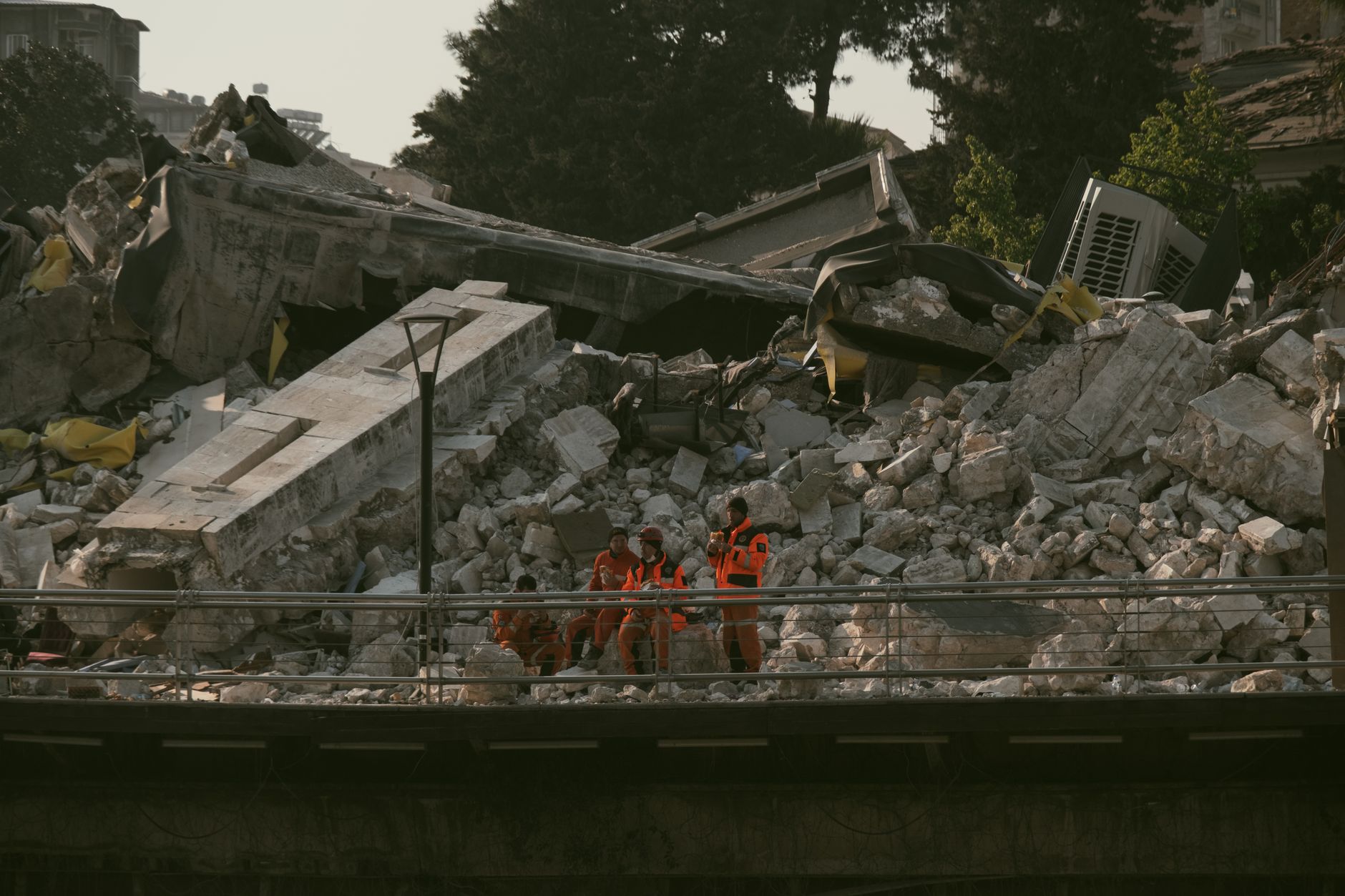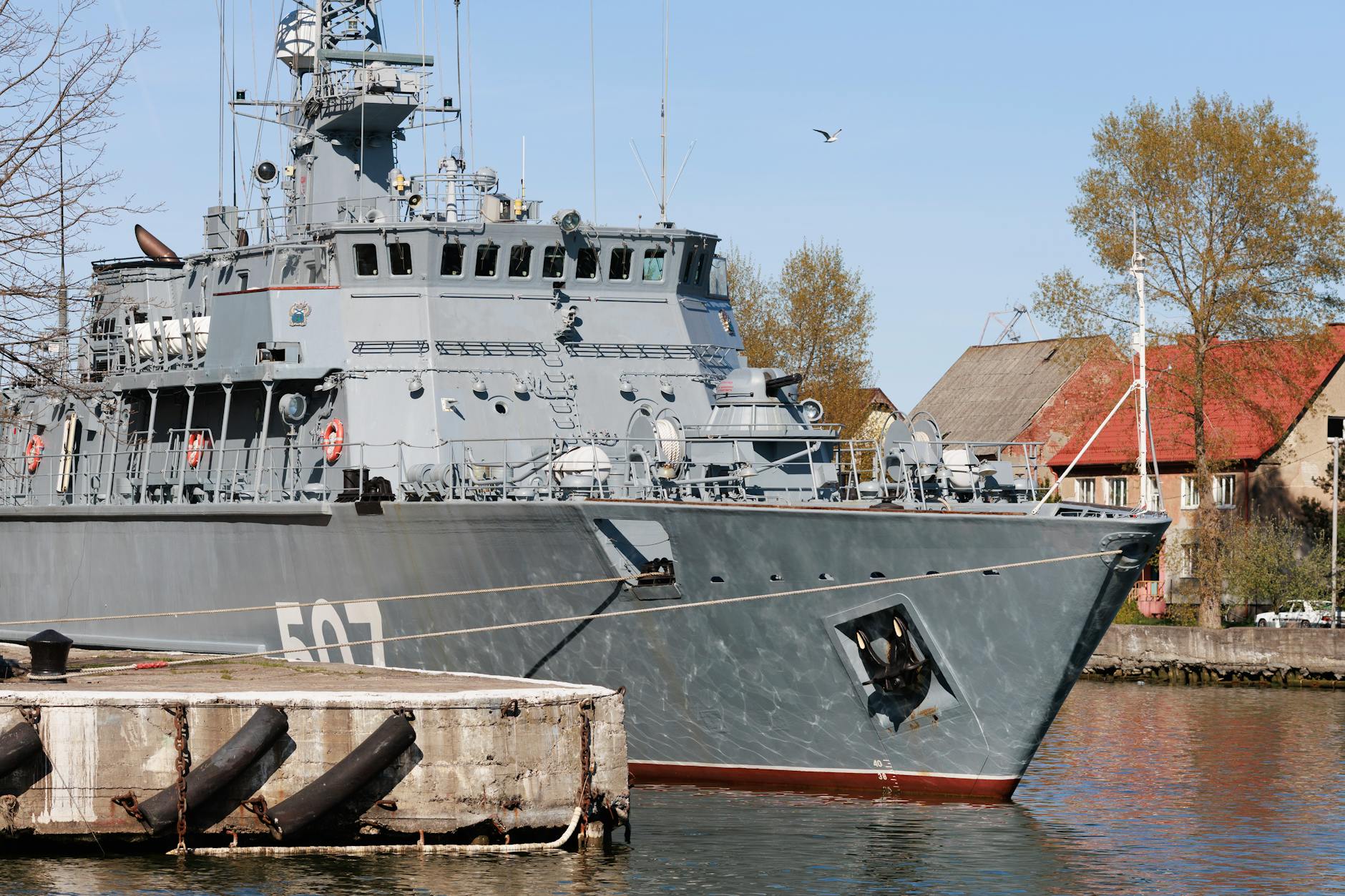
New high-resolution satellite imagery released in late 2026 offers a stark visual record of the US-Israel war on Iran. These images confirm the significant destruction of 15 critical sites, including Iranian naval ports and U.S. military installations across the Persian Gulf. This 2026 Iran military conflict damage assessment provides the first comprehensive look at the tactical outcomes of the recent aerial campaigns. Readers will learn how precision strikes have reshaped regional security and the specific infrastructure losses sustained by both sides.
- Visual evidence confirms severe structural damage at 15 strategic hubs across the Persian Gulf.
- Iranian maritime capabilities are significantly hindered by the destruction of dry docks in Bandar Abbas.
- U.S. forward operating bases show evidence of successful retaliatory strikes affecting logistics.
- Global shipping routes face prolonged disruption due to damaged port infrastructure.
The escalation of hostilities in mid-2026 followed months of failed diplomatic efforts and maritime skirmishes. The conflict quickly transitioned from localized incidents to a full-scale exchange of precision-guided munitions. Both sides utilized advanced electronic warfare to mask their movements, making satellite verification essential for public understanding.
Independent analysts have spent weeks cataloging the changes in topography and infrastructure. The current data set represents the most detailed public record of the war’s physical impact to date. These findings highlight the vulnerability of modern military hubs to high-speed missile technology.
How has the 2026 conflict impacted Persian Gulf infrastructure?
The visual data shows a clear pattern of targeting focused on logistics and power projection. In the Iranian port of Bandar Abbas, satellite views reveal that three main piers are now partially submerged. Scorched earth and blackened debris surround the primary fuel depots, suggesting high-temperature fires followed the initial impacts.
Further north, the Bushehr naval base shows similar levels of degradation. Analysts note that the repair facilities used for Iranian fast-attack craft are completely levelled. This loss effectively grounds a significant portion of the coastal defence fleet for the foreseeable future.
The U.S. military presence in the region has not escaped the violence. High-resolution photos of Al-Udeid Air Base show craters on the secondary runways. While the primary landing strips remain operational, the destruction of two large maintenance hangars suggests a successful breach of air defence systems.
Which strategic Iranian naval ports were targeted?
The port of Jask, located outside the Strait of Hormuz, was a primary target for coalition forces. Before-and-after images show the total collapse of the newly constructed submarine pens. This facility was intended to be Iran’s strategic gateway to the Indian Ocean.
In Chabahar, the damage appears more surgical but equally devastating. Precision strikes targeted the port’s automated crane systems and container terminals. By disabling the loading infrastructure, the attackers have effectively halted the flow of heavy military equipment into the country.
The use of satellite imagery analysis for humanitarian and security monitoring has become the standard for verifying these claims. Without boots on the ground, these orbital perspectives provide the only objective measure of the conflict’s intensity. The data confirms that the scale of destruction exceeds previous estimates by nearly 40 percent.
What do the images reveal about U.S. base resilience?
Retaliatory strikes by Iranian forces targeted U.S. assets in the United Arab Emirates and Qatar. At Al-Dhafra Air Base, imagery shows that reinforced bunkers protected most personnel. However, the base’s radar arrays and communication towers were destroyed in a swarm drone attack.
The imagery highlights a shift in modern warfare where even advanced missile shields can be overwhelmed. At the Port of Duqm in Oman, which serves U.S. naval vessels, two logistics warehouses were gutted by fire. The precision of these hits suggests that Iranian guidance systems have improved significantly since 2024.
Military experts are now reviewing these images to assess the effectiveness of current point-defence systems. The visible damage to hardened targets suggests that kinetic energy weapons are outpacing traditional armour. This realization is expected to trigger a massive overhaul of base design standards globally.
What are the long-term regional implications of the strikes?
The destruction of 15 major sites has immediate consequences for the global economy. Insurance premiums for commercial vessels in the Gulf have reached record highs. Many shipping companies are now rerouting vessels around the Cape of Good Hope, adding weeks to transit times.
Environmental damage is another growing concern visible from space. Large oil slicks are visible near the damaged ports of Bandar Abbas and Jask. These spills threaten the desalination plants that provide fresh water to millions of people in the region.
The reconstruction of these facilities will require years of specialized labour and billions in capital. Given the ongoing diplomatic freeze, the path to rebuilding remains unclear. The regional balance of power has shifted, but the cost of that shift is written in the rubble of the Gulf’s most vital harbours.
As the conflict moves into a new phase, the role of orbital surveillance remains critical. These images serve as a permanent record of the risks associated with modern high-intensity warfare. Stakeholders must now navigate a landscape where infrastructure is fragile and precision is the primary tool of diplomacy. The visual evidence from 2026 stands as a warning about the enduring impact of kinetic solutions on global stability.