
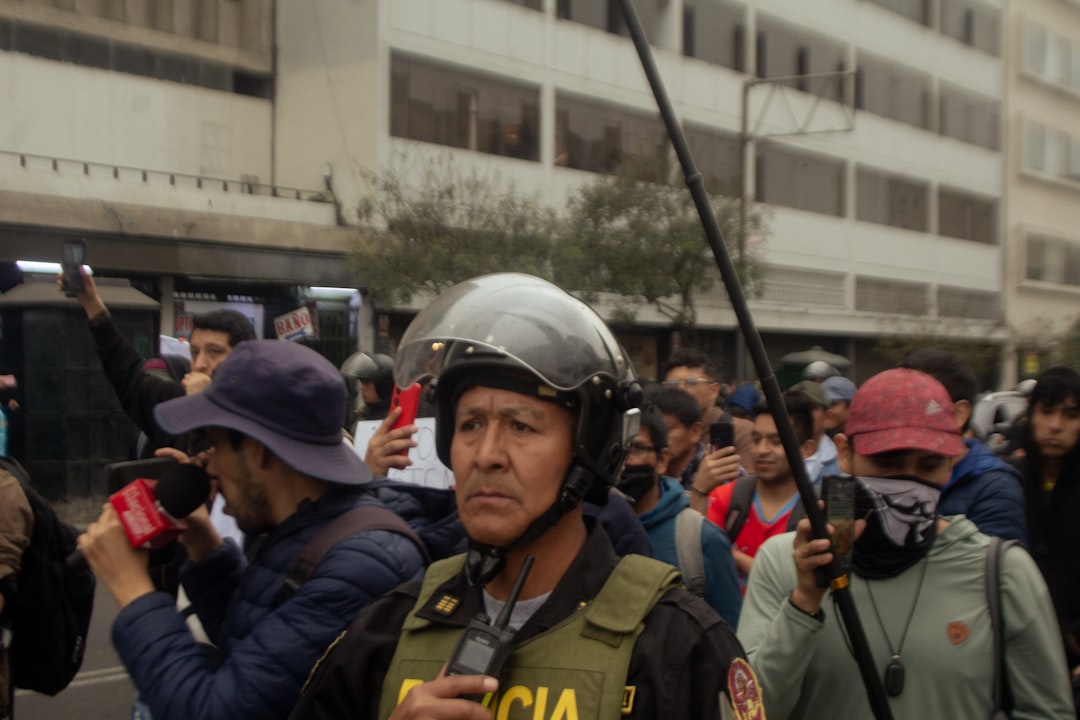
As Peru teeters on the edge of a political shift, presidential frontrunner Roberto Sanchez made a high-stakes move on June 8, 2026. Sanchez visited incarcerated former leader Pedro Castillo at the Barbadillo prison in Lima while official votes were still being tallied. This meeting occurred at a critical juncture in the Peru 2026 presidential election results, where rural and urban votes remain sharply divided. By visiting the former president, Sanchez seeks to signal solidarity with the rural base that propelled Castillo to power years ago.
- Roberto Sanchez visited Pedro Castillo to consolidate the support of the former president’s loyal rural voting bloc.
- The 2026 election remains statistically tied as the final rural precincts report their tallies.
- International observers are calling for calm as the National Jury of Elections (JNE) reviews contested ballots.
Readers will learn about the strategic implications of this visit and how the current vote count affects Peru’s long-term democratic stability. This report examines the intersection of legal battles and electoral politics in a nation familiar with executive turnover.
Why did Roberto Sanchez visit Pedro Castillo during the vote count?
The timing of the visit is not accidental. Roberto Sanchez currently leads by a fraction of a percentage point. He understands that the “Castillista” vote is essential for a definitive victory. Many voters in the southern highlands still view Castillo as a symbol of their struggle against the Lima-based elite.
By appearing at the prison, Sanchez bridges the gap between his own platform and Castillo’s populist legacy. He aims to ensure that these voters do not feel abandoned during the lengthy counting process. This move also serves as a defensive strategy against accusations of being too moderate for the radical left.
However, the visit has drawn sharp criticism from centrist and right-wing coalitions. They argue that Sanchez is undermining the rule of law by associating with a leader imprisoned for an attempted self-coup in 2022. Critics suggest this visit signals a potential pardon for Castillo if Sanchez secures the presidency.
How does the 2026 election impact Peru’s political stability?
Peru has cycled through multiple presidents in the last decade, leading to significant institutional fatigue. The 2026 election was supposed to be a reset for the country’s fractured democracy. Instead, it has highlighted the deep-seated polarization that remains since the 2021 and 2022 crises.
The current electoral landscape shows a country split between a desire for radical reform and a need for economic continuity. Sanchez represents the former, while his opponent, a veteran technocrat, promises stability for foreign investors. This ideological chasm makes every single vote in the remote provinces vital for the final outcome.
Moreover, the role of the military and the police remains a point of concern for human rights groups. Previous protests have shown how quickly political disputes can escalate into civil unrest. The presence of international monitors is intended to prevent a repeat of past violence during the transition of power.
What is the current status of the Peruvian vote count?
The Oficina Nacional de Procesos Electorales (ONPE) continues to release official updates as the final rural precincts report their numbers. As of this morning, over 98.5% of the ballots have been processed. The margin between the two leading candidates is less than 40,000 votes, making it one of the closest races in Peruvian history.
Logistical challenges often delay the counting of votes from the Amazonian and Andean regions. These areas are traditionally the strongholds of candidates like Sanchez and Castillo. Consequently, early leads by urban-focused candidates often evaporate as the “deep Peru” votes arrive in the capital.
“The electoral process is following all established protocols, but the narrow margin requires absolute precision in the review of challenged ballots,” stated a representative from the electoral transparency body.
The National Jury of Elections (JNE) must now adjudicate thousands of “actas observadas” or challenged tally sheets. This legal phase can take several days or even weeks. During this period, the tension in Lima and other major cities is expected to remain high.
What are the legal implications of this high-profile visit?
Sanchez’s visit to a high-security prisoner during an active election raises several legal and ethical questions. Under Peruvian law, candidates are free to visit inmates, provided they follow prison protocols. However, the political messaging of such an act is under intense scrutiny by the public prosecutor’s office.
Legal experts suggest that Sanchez is treading a fine line between political campaigning and interference. If he wins, his administration will face immediate pressure regarding Castillo’s legal status. Castillo is currently serving a lengthy sentence related to rebellion and conspiracy charges.
Data from recent polls suggests that nearly 45% of the population supports a pardon for Castillo on humanitarian grounds. Conversely, a similar percentage believes he must serve his full term to protect the constitution. This division ensures that Sanchez’s first major policy decision could be one of his most controversial.
How are markets and international partners reacting?
The Lima Stock Exchange (BVL) showed increased volatility following news of the prison visit. Investors typically prefer predictability, and the prospect of a Sanchez-Castillo alliance introduces uncertainty. The Peruvian Sol has also seen minor fluctuations against the US dollar in response to the tight race.
International mining companies, which form the backbone of the Peruvian economy, are closely watching the results. They are concerned about potential changes to environmental regulations or royalty structures. Sanchez has promised to honour existing contracts, but his rhetoric often leans toward greater state intervention.
Neighbouring countries in the Andean region are also monitoring the situation. A Sanchez victory would solidify a shift toward left-leaning governance in South America. This could lead to new regional alliances and a different approach to trade and migration issues across the continent.
The coming days will determine if Sanchez’s gamble at Barbadillo prison pays off. If the final rural votes confirm his lead, he will enter the Government Palace with a mandate for change. If he loses, the visit may be remembered as the moment he alienated the moderate voters needed to secure the capital. The focus now remains on the electoral authorities as they finalize the count for a nation waiting for clarity.


