U.S. President Donald Trump declared on Wednesday that the Strait of Hormuz will reopen by this Friday, following a week of intense naval standoffs that halted nearly 20 per cent of the world’s oil supply. While the White House insists that the primary shipping lane is now clear of immediate threats, European allies and international maritime agencies remain cautious. They argue that the presence of unexploded ordnance and ongoing regional volatility makes a Friday deadline overly optimistic. This disagreement has left global markets in a state of flux as traders weigh political rhetoric against technical maritime realities.
The current Strait of Hormuz reopening is critical for stabilizing global energy prices, which surged by 12 per cent following the initial closure. In this report, you will learn about the strategic differences between U.S. and European naval protocols, the technical challenges of mine-clearing in deep-water channels, and the immediate economic implications for energy-importing nations, including Canada. Understanding these dynamics is essential for navigating the volatile energy landscape of 2026.
Key Takeaways
- The U.S. administration is pushing for a February 13 reopening to alleviate domestic energy price pressures.
- European naval forces demand a more rigorous 72-hour sweep of the channel before allowing commercial passage.
- Global insurance premiums for oil tankers have quadrupled, complicating the return to normal shipping volumes.
How does the maritime blockade affect global energy security?
The Strait of Hormuz serves as the world’s most important oil transit chokepoint. Approximately 21 million barrels of oil pass through this narrow waterway daily, connecting Middle Eastern producers to markets in Asia, Europe, and North America. Any disruption here immediately impacts the global supply chain, causing a ripple effect that touches everything from gasoline prices at the pump to the cost of plastics and fertilizers.
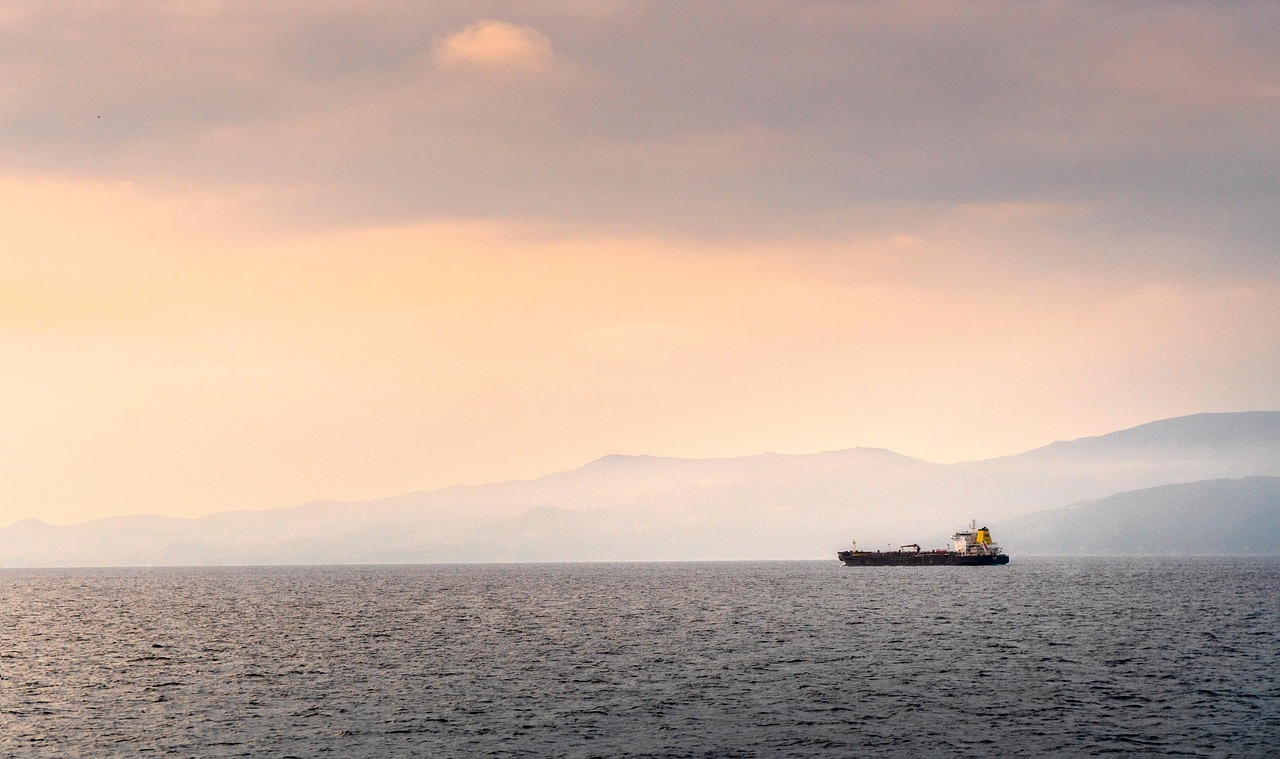
The recent closure was triggered by a series of maritime incidents that led to a complete suspension of commercial traffic. While the U.S. Fifth Fleet has increased its presence to secure the area, the logistical backlog is immense. Over 150 tankers are currently anchored outside the strait, waiting for a definitive signal that the waters are safe for transit.
European leaders, particularly those in France and Germany, have expressed concern that a premature reopening could lead to a catastrophic environmental or security event. They emphasize that the technical standards for safe passage are governed by international protocols established by the International Maritime Organization, which requires specific clearance levels before a restricted waterway is declared safe for civilian transit.
What are the technical hurdles for a Friday reopening?
Clearing a waterway as busy as the Strait of Hormuz is not a simple task. Naval experts point out that modern sea mines are sophisticated and difficult to detect using standard sonar. The process involves deploying autonomous underwater vehicles (AUVs) and specialized minesweepers to map the seabed and identify anomalies.
The U.S. Navy has deployed its latest drone technology to accelerate this process. These unmanned systems can cover vast areas quickly, but they still require human verification for any suspicious objects. European naval commanders argue that the current pace of operations does not allow for a 100 per cent certainty of safety by the Friday deadline set by the U.S. President.
“We are operating in a high-threat environment where a single error could result in the loss of a multi-billion dollar vessel and a massive oil spill. Speed must not compromise safety,” noted a senior maritime security analyst.
Furthermore, the psychological impact on ship crews and insurance companies cannot be ignored. Even if the U.S. declares the strait open, many private shipping firms may refuse to enter the area until their insurers provide coverage. Currently, “War Risk” premiums have reached record highs, making the cost of transit prohibitive for many independent operators.
How will the reopening impact Canadian consumers and industry?
For Canada, the situation in the Middle East has a dual impact. As a major oil producer, Canadian energy companies often see increased demand and higher prices during global supply shocks. However, Canadian consumers face rising costs for imported goods and refined petroleum products, particularly in Eastern Canada where some refineries rely on international crude supplies.
Economic analysts suggest that if the Friday reopening is successful and sustained, gas prices across Canada could stabilize within two weeks. Conversely, if the reopening fails or leads to further conflict, the price of West Texas Intermediate (WTI) could climb toward $120 USD per barrel. This would significantly increase transportation costs for Canadian businesses, potentially fueling domestic inflation.
The Canadian government has remained in close contact with its G7 partners to coordinate a response. While Canada supports the U.S. goal of restoring trade, officials have echoed the European call for a verified and secure transition. The focus remains on ensuring that the global energy market can return to a state of predictability without risking further escalation in the region.
What happens if the Friday deadline is missed?
If the Strait of Hormuz remains closed past Friday, the diplomatic rift between the U.S. and its European allies may widen. The U.S. administration has tied significant political capital to this specific timeline. A delay would be seen as a setback for U.S. maritime influence and could lead to more aggressive unilateral actions to secure the channel.
From a market perspective, a missed deadline would likely trigger a fresh wave of panic buying. Energy analysts warn that the global economy has a limited buffer for prolonged disruptions. Strategic petroleum reserves are being tapped, but these are temporary measures that cannot replace the daily flow of 20 million barrels indefinitely.
The next 48 hours are critical for international diplomacy and maritime security. As naval forces continue their sweeps, the world remains focused on the narrow stretch of water that dictates the rhythm of the global economy. Ensuring a safe, verifiable, and permanent reopening of the Strait of Hormuz is the only way to restore long-term confidence in the energy sector and prevent a broader economic downturn.