
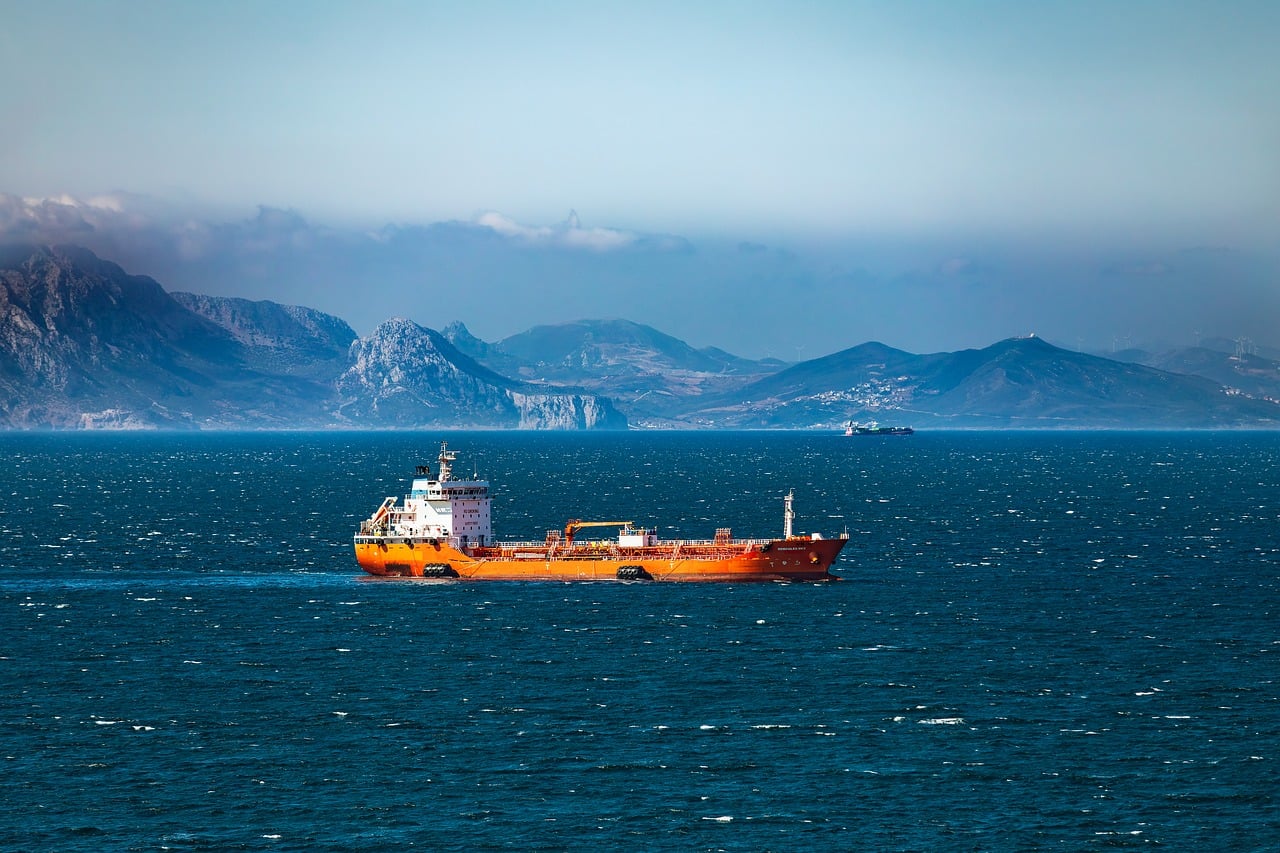
The United States and Iran brokered a landmark 60-day ceasefire on Sunday night, ending a high-stakes naval blockade and reopening the Strait of Hormuz to global shipping. This diplomatic pivot, orchestrated by the Trump administration, aims to immediately restore the flow of crude oil through the world’s most vital energy artery. By lifting the blockade on Iranian ports, Washington seeks to stabilize volatile energy markets and deliver on domestic promises of lower fuel costs. In this report, you will learn how the gas price trends 2026 are shifting and what the geopolitical concessions mean for the North American economy.
- A 60-day ceasefire reopens the Strait of Hormuz, allowing 21 million barrels of oil per day to resume normal transit.
- The U.S. has ended its naval blockade of Iranian ports, though specific sanctions relief remains a point of contention.
- Global Brent Crude prices dropped by 4% in overnight trading following the announcement.
How does the Strait of Hormuz reopening affect global energy security?
The Strait of Hormuz serves as the primary gateway for approximately 20% of the world’s total petroleum consumption. For months, the American-led blockade had restricted Iranian exports and created a bottleneck that pushed global oil prices toward record highs. Sunday’s agreement represents a tactical cooling of tensions that had threatened to boil over into a broader regional conflict.
The immediate restoration of shipping lanes provides a much-needed reprieve for global supply chains. According to the U.S. Energy Information Administration, even minor disruptions in this chokepoint can lead to significant price spikes at the pump for consumers in Canada and the United States. By securing this 60-day window, the administration is betting that increased supply will dampen the inflationary pressures that have defined the early part of 2026.
What were the concessions made by Washington and Tehran?
While the ceasefire is a concrete reality, the narrative surrounding the negotiations remains fractured. Tehran officials claim the agreement includes a significant rollback of economic sanctions and a formal recognition of their maritime sovereignty. Conversely, the White House maintains that the ceasefire is a “humanitarian and economic necessity” that does not compromise the long-term goal of denuclearization.
“This is a calculated risk by the Trump administration. They are prioritizing domestic economic relief over the maximum pressure campaign that characterized previous months,” notes Dr. Sarah Vance, a senior fellow at the Institute for Global Energy Security.
The discrepancy in these accounts suggests that the 60-day period may be a fragile truce rather than a permanent solution. If Iran continues its enrichment programmes or the U.S. fails to provide the expected sanctions relief, the blockade could return by mid-summer. This uncertainty keeps market analysts cautious despite the initial drop in crude futures.
Will Canadian drivers see immediate relief at the pump?
For Canadians, the reopening of the Strait of Hormuz is expected to translate into lower retail gasoline prices within the next two to three weeks. Since Canadian fuel prices are closely tied to global benchmarks, the sudden influx of Middle Eastern crude into the Atlantic market will reduce the premium paid by refineries. Analysts predict that average prices in provinces like Ontario and British Columbia could drop by as much as 10 to 15 cents per litre if the ceasefire holds.
However, the Canadian energy sector faces a complex reality. While consumers benefit from lower prices, domestic producers in Alberta may see a slight cooling in their export margins. The balance between affordable energy for citizens and a profitable resource sector remains a primary concern for Ottawa as they monitor the situation in the Persian Gulf.
Data Point: Market Volatility and Crude Benchmarks
The following data illustrates the market reaction in the first six hours following the ceasefire announcement:
- Brent Crude: Decreased from $92.50 to $88.80 per barrel.
- West Texas Intermediate (WTI): Decreased from $87.10 to $84.20 per barrel.
- Shipping Insurance Premiums: Dropped by 30% for vessels traversing the Gulf of Oman.
- Energy Stocks: S&P/TSX Capped Energy Index saw a 1.2% dip as volatility decreased.
What are the long-term implications for the Trump administration?
President Trump has consistently linked his political success to the “drill, baby, drill” mantra and the reduction of energy costs. By negotiating with Tehran, he is demonstrating a willingness to sacrifice traditional hawkish stances in exchange for tangible economic wins. This move may alienate some hardline allies in Washington but could bolster his support among voters struggling with the cost of living.
The strategy hinges on the 60-day window being long enough to reset the inflationary trend. If gas prices remain low through the summer driving season, the administration can claim a significant victory. However, the risk of Iran utilizing the reopened ports to bolster its military funding remains a potent criticism from the opposition.
As the naval vessels begin to pull back from the Iranian coastline, the world watches to see if this diplomatic gamble will yield a lasting peace or merely a temporary pause in a long-standing rivalry. Businesses and logistics firms are already rerouting tankers to take advantage of the cleared lanes, signaling a cautious optimism that the 2026 energy crisis may be moving toward a resolution. Monitoring the stability of this ceasefire will be essential for any industry reliant on global trade and affordable fuel.


