
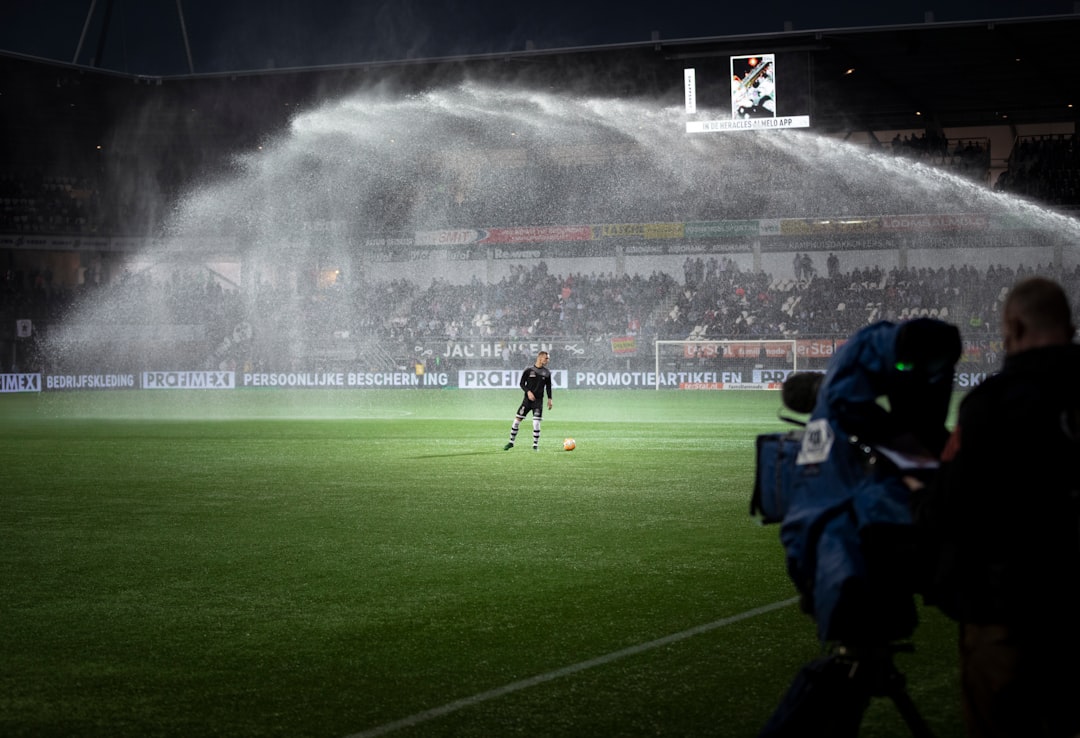
FIFA has implemented mandatory hydration breaks for the 2026 World Cup across North America this summer to protect athletes from record-breaking heatwaves. While official protocols prioritise player safety in extreme conditions, the introduction of these pauses has sparked a global debate regarding the commercialization of the game. Fans and analysts are questioning whether these three-minute intervals serve a medical necessity or act as a strategic window for additional broadcast revenue. You will learn how FIFA balances athlete health with sponsorship demands and what this means for the future of live sports broadcasting.
- FIFA mandates cooling breaks when the Wet Bulb Globe Temperature (WBGT) exceeds 32°C.
- Broadcasters have introduced specific “Cooling Break” ad packages, increasing commercial inventory by 10%.
- Critics argue the breaks disrupt match momentum and exploit fans already facing high ticket prices.
Why is FIFA implementing mandatory cooling breaks in 2026?
The 2026 World Cup is the largest in history, featuring 48 teams playing across diverse climates in Canada, Mexico, and the United States. Host cities like Miami, Dallas, and Monterrey often experience summer temperatures exceeding 35°C with high humidity levels. These conditions pose a significant risk of heat exhaustion and exertional heatstroke for elite athletes performing at high intensity.
Medical experts emphasize that the human body requires scheduled intervals to lower core temperatures during such extreme weather. FIFA has historically used discretionary breaks, but the 2026 tournament marks a shift toward more rigid, predictable scheduling. This change ensures that every player receives adequate fluid replacement and cooling time regardless of the referee’s individual assessment.
According to official FIFA medical and safety standards, the health of the players remains the primary justification for any match stoppage. The governing body maintains that the WBGT index provides an objective, scientific basis for these decisions. However, the timing of these breaks often aligns perfectly with high-leverage broadcasting windows.
How does the commercialization of hydration breaks impact the game?
As the cost of hosting and attending the World Cup reaches new heights, every second of airtime is scrutinized for its monetary value. Broadcasters in North America and Europe have reportedly sold specialized sponsorship slots specifically for these three-minute cooling periods. This creates a new stream of revenue that did not exist in previous iterations of the tournament.
Marketing analysts suggest that these breaks are more valuable than traditional halftime ads because the audience remains engaged. Viewers are unlikely to leave the screen during a mid-half break, fearing they might miss the restart of play. Consequently, the “Cost Per Mille” (CPM) for these slots is significantly higher than standard commercial breaks.
This financial incentive has led some critics to claim that the breaks are being enforced even when temperatures are manageable. They argue that the “hydration break” has become a euphemism for a “television timeout,” similar to those seen in the NFL or NBA. This shift represents a fundamental change in how association football is consumed by a global audience.
“The purity of the continuous 45-minute half is under threat. While player safety is paramount, we must ensure that commercial interests do not dictate the flow of the world’s most popular sport.”
What is the impact on fan experience and ticket value?
For fans in the stadium, the hydration breaks can be a source of frustration rather than relief. With average ticket prices for the 2026 tournament rising by 20% compared to 2022, spectators expect a premium, uninterrupted experience. The pauses often stall the tactical momentum of the game, potentially disadvantaging teams that rely on high-tempo pressing styles.
Furthermore, the visual experience in the stadium is changing. Large digital displays that once showed replays are now frequently dedicated to sponsors during these intervals. This constant exposure to advertising has led to accusations of a “cash grab” by FIFA and its local organizing committees.
Despite the criticism, some fans acknowledge the necessity of the breaks given the changing climate. Supporters in sun-drenched stands often use the time to seek shade or hydrate themselves. The challenge for organizers lies in maintaining the balance between necessary safety protocols and the traditional spirit of the sport.
Are there technological alternatives to physical breaks?
Innovation in sports apparel and stadium infrastructure may eventually reduce the need for frequent match stoppages. Several 2026 venues, such as the BC Place in Vancouver and the AT&T Stadium in Arlington, feature advanced climate control systems. These technologies can lower the ambient temperature on the pitch by several degrees compared to the outside environment.
Additionally, researchers are developing “smart” jerseys equipped with micro-cooling filaments and biometric sensors. These garments could monitor a player’s core temperature in real-time, allowing for more targeted medical interventions. If these technologies prove successful, the blanket requirement for hydration breaks might be reconsidered in future tournaments.
Until such innovations become standard, the cooling break will remain a contentious fixture of the modern game. Stakeholders must continue to monitor the intersection of athlete welfare and commercial growth. Ensuring that safety remains the genuine priority will be essential for maintaining the integrity of the World Cup brand as it moves into a new era of global expansion.
Moving forward, transparency regarding the criteria for calling these breaks will be vital for fan trust. If FIFA provides real-time heat data to the public during broadcasts, it may mitigate the perception that these pauses are purely profit-driven. Staying informed about these changes helps supporters understand the evolving landscape of international football and the pressures of hosting a summer tournament in the 21st century.


