
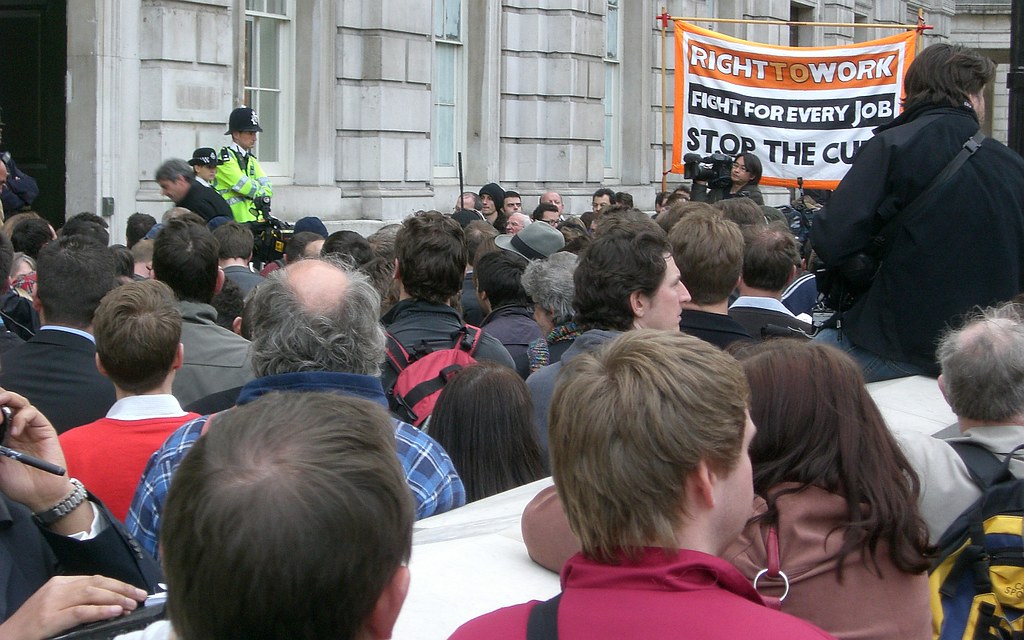
On June 12, 2026, Keir Starmer officially resigned as the leader of the Labour Party and Prime Minister of the United Kingdom following a significant loss of internal party support. Speaking from a podium outside 10 Downing Street, Starmer announced his departure as Andy Burnham, the former Mayor of Greater Manchester, emerged as the primary contender to lead the party. This transition marks a pivotal shift in British governance as the nation grapples with evolving economic pressures and a demand for localized regional empowerment. Readers will learn the specific reasons behind Starmer’s exit and how the potential rise of Burnham could reshape the UK’s political landscape.
- Keir Starmer has stepped down citing a lack of unified party confidence after months of internal friction.
- Andy Burnham is currently the frontrunner to succeed Starmer, signaling a possible shift toward regionalist policies.
- The transition period will trigger an immediate leadership contest within the Labour Party to stabilize the government.
The resignation follows a turbulent eighteen-month period characterized by stagnant economic growth and intense debate over social spending. Starmer, who led Labour to a historic victory in 2024, faced increasing criticism from both the left and right wings of his party regarding his cautious fiscal approach. This internal dissent reached a breaking point during the recent local elections, where Labour saw significant losses in its traditional heartlands. Consequently, senior party officials began publicly questioning Starmer’s ability to maintain a cohesive majority heading into the next general election cycle.
Why did Keir Starmer lose party support?
Starmer’s departure was not the result of a single event but rather a cumulative loss of political capital. His administration struggled to balance the demands of environmental mandates with the rising costs of living for the average citizen. Many backbenchers felt the leadership had become too centralized in London, ignoring the specific needs of the North and Midlands. This perceived disconnect allowed figures like Andy Burnham to gain momentum by advocating for a more decentralised governance model.
During his resignation speech, Starmer acknowledged these challenges directly. “I leave the biggest job in politics with a heavy heart, but with the knowledge that the party must evolve to meet the new demands of the British people,” he stated. He emphasized that his tenure was focused on restoring the party’s credibility, yet admitted that the “speed of change” required by the public exceeded his administration’s current trajectory. This admission confirms the growing influence of the “devolution” faction within the party.
How does Andy Burnham influence the succession?
Andy Burnham, often referred to as the “King of the North,” has long been a vocal critic of Westminster-centric policy. His potential move from regional leadership to the national stage represents a significant threat to the status quo. Burnham’s platform focuses heavily on regional investment, public transport reform, and social housing—issues that resonate deeply with the voters Labour lost in recent years. Political analysts suggest that Burnham’s popularity in Greater Manchester serves as a blueprint for a broader national strategy.
The leadership contest is expected to be a battle between the pragmatic centre-left represented by Starmer’s allies and the more populist, regionalist approach championed by Burnham. According to current Cabinet Office protocols, the process for selecting a new leader will begin immediately to ensure the continuity of government operations. This transition must be handled with precision to avoid market volatility and maintain international diplomatic standing.
“The Labour Party is at a crossroads where it must decide if it remains a party of the London elite or returns to its roots as a voice for the entire United Kingdom.” – Dr. Elena Richards, Political Scientist.
What are the immediate implications for the UK economy?
Investors are monitoring the leadership change closely as the British Pound experienced minor fluctuations following the announcement. The uncertainty surrounding the next Prime Minister’s fiscal policy has led to calls for a clear economic roadmap. If Burnham secures the leadership, experts anticipate a shift toward increased public spending and a focus on green energy infrastructure projects located outside of the capital. This could stimulate growth in neglected sectors but may also raise concerns regarding the national debt ceiling.
Furthermore, the transition impacts ongoing international trade negotiations. Starmer was known for his steady, if uninspiring, approach to foreign relations. A new leader will need to reassure global partners that the UK remains a reliable ally and a stable environment for foreign direct investment. The Labour Party must now prove it can manage this internal reorganization without compromising its legislative agenda or the delivery of essential public services.
Key Data Points in the 2026 Political Landscape:
- Labour Party internal approval ratings dropped from 62% in 2024 to 38% in early 2026.
- Regional devolution polls show 55% of voters prefer more local control over tax spending.
- The UK inflation rate remains a primary concern for 70% of the electorate.
The coming weeks will define the future of the Labour Party and the direction of the United Kingdom for the remainder of the decade. As candidates begin their campaigns, the focus will remain on whether the party can bridge the gap between its diverse factions. The public’s appetite for change is evident, and the next leader must address the core issues of inequality and economic stagnation to succeed. This leadership vacuum presents both a risk of instability and an opportunity for a renewed national vision that prioritizes the needs of every region.


