
Public fascination with the 1962 death of Marilyn Monroe has intensified following new forensic analysis by Paul Holes. The renowned cold-case detective recently shared findings that challenge the long-standing suicide narrative during a high-profile television investigation. Holes is widely recognized for his instrumental role in identifying the Golden State Killer using genetic genealogy. In his latest review of the Monroe files, he points to significant irregularities in how the death scene was processed. Readers will learn about the specific forensic red flags, the missing toxicological evidence, and the potential influence of external agencies. This re-evaluation suggests that the official conclusion of a self-inflicted overdose may have been premature or intentionally steered.
- Detective Paul Holes identifies “staged” elements at the death scene, including unnaturally orderly pill bottles.
- Toxicology reports show a lack of pill residue in the stomach despite the disappearance of 50 fast-acting capsules.
- Authorities were reportedly not notified of the death for over an hour after the body was discovered.
- Modern forensic experts are questioning if the original investigation was compromised by political or institutional pressure.
What forensic inconsistencies did Paul Holes identify?
Holes began his review by examining the limited photographic evidence from the 1962 death scene. He notes that the documentation was exceptionally poor for such a high-profile case. One surviving photograph shows the star lying in her bed with clean, perfectly arranged sheets. Holes argues that a drug-induced death typically involves physical struggling or bodily distress. The pristine state of the bedding suggests the body may have been moved or positioned. Furthermore, the detective highlighted the peculiar arrangement of medicine containers on the nightstand.
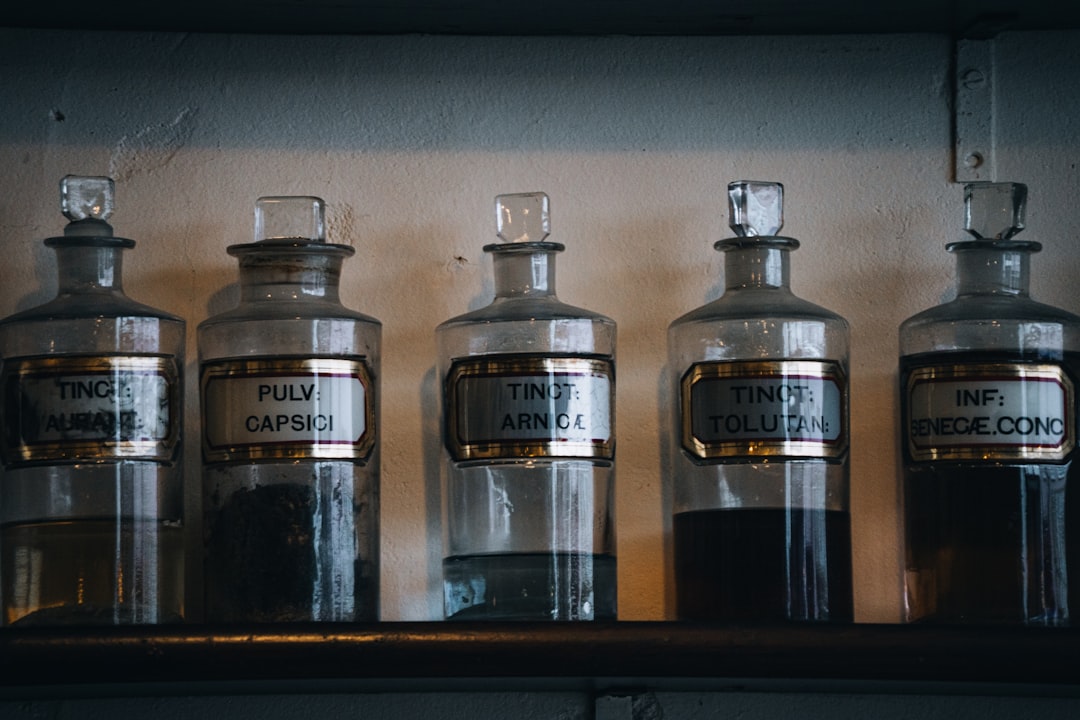
The pill bottles were found perfectly aligned with all labels facing outward. Holes describes this as a major inconsistency for a person in the throes of a mental health crisis. He suggests that individuals experiencing a terminal overdose do not typically organize their surroundings with such precision. This orderly environment raises the possibility that the scene was altered before investigators arrived. Holes emphasizes that any inconsistency in a death scene must be treated as a potential sign of foul play. These observations have sparked renewed debate among forensic historians and legal experts in recent months.
Why does the toxicology report raise significant questions?
The original autopsy ruled that Monroe died from a massive overdose of barbiturates, specifically Nembutal and chloral hydrate. However, Holes points to a glaring contradiction in the chemical evidence. Records show that 50 capsules of Nembutal were picked up just two days before her death. All 50 capsules were missing from the empty bottle found at the scene. Despite this, the medical examiner found no evidence of capsule shells or yellow dye in her stomach. Nembutal is a fast-acting drug often used in euthanasia because of its rapid absorption.
The district attorney’s office previously claimed the drugs had simply been absorbed into the system entirely. Holes remains skeptical of this explanation given the volume of pills allegedly ingested. He notes that such a large quantity of capsules usually leaves some physical trace during a standard autopsy. This discrepancy suggests the drugs may have been administered in a manner other than oral ingestion. Alternatively, the timeline of the ingestion may differ significantly from the official report. Such findings have led to calls for a more rigorous review of the historical laboratory notes.
Was there outside influence on the original investigation?
The investigation into Monroe’s death occurred during a period of intense political scrutiny. The actress had well-documented connections to high-ranking government officials and public figures. Holes suggests that the Los Angeles Police Department may have faced pressure to close the case quickly. He notes that the assumption of suicide was made almost immediately, potentially causing investigators to overlook conflicting evidence. This “tunnel vision” is a common pitfall in high-pressure death investigations.
Furthermore, the involvement of federal agencies has long been a subject of intense speculation. Many researchers have spent years analyzing declassified FBI investigative files to understand the extent of the surveillance placed on her. These records reveal that the government was closely monitoring her personal associations and political leanings. Holes questions why the local authorities seemingly ignored these external factors during their initial probe. The redacted nature of many files continues to fuel theories regarding the true nature of the events. This lack of transparency has hindered a full understanding of the case for over six decades.
What are the implications for modern forensic science?
The re-examination of the Monroe case serves as a critical case study for modern criminal justice professionals. It highlights how poor scene documentation can lead to decades of uncertainty and public distrust. Today, forensic teams use 3D scanning and high-resolution digital photography to preserve every detail of a scene. These technologies were unavailable in 1962, leaving modern experts to rely on fragmented records. Holes’ work demonstrates that even old cases can benefit from a fresh, expert perspective. His analysis shows that experience in modern homicide investigation can reveal flaws in historical procedures.
The delay in calling the police remains one of the most troubling aspects of the timeline. Reports indicate that those present at the home waited over an hour before contacting the LAPD. In modern investigations, such a delay is treated as a significant red flag for scene tampering. Holes suggests that this gap in time provided ample opportunity for the environment to be “cleaned” or reorganized. This delay, combined with the lack of a suicide note, complicates the official ruling. Forensic experts continue to use these details to teach the importance of immediate scene security and objective evidence collection.
The insights provided by Paul Holes do not definitively prove a specific alternative theory. They do, however, provide a scientific basis for doubting the original suicide conclusion. By identifying objective physical inconsistencies, Holes has moved the conversation beyond mere conspiracy speculation. This evidence-based approach encourages a more nuanced understanding of the tragedy. As forensic techniques continue to evolve, the possibility of uncovering new truths in historical cold cases remains a vital pursuit for investigators. The focus remains on ensuring that the final record reflects the physical reality of the evidence discovered at the scene.


