
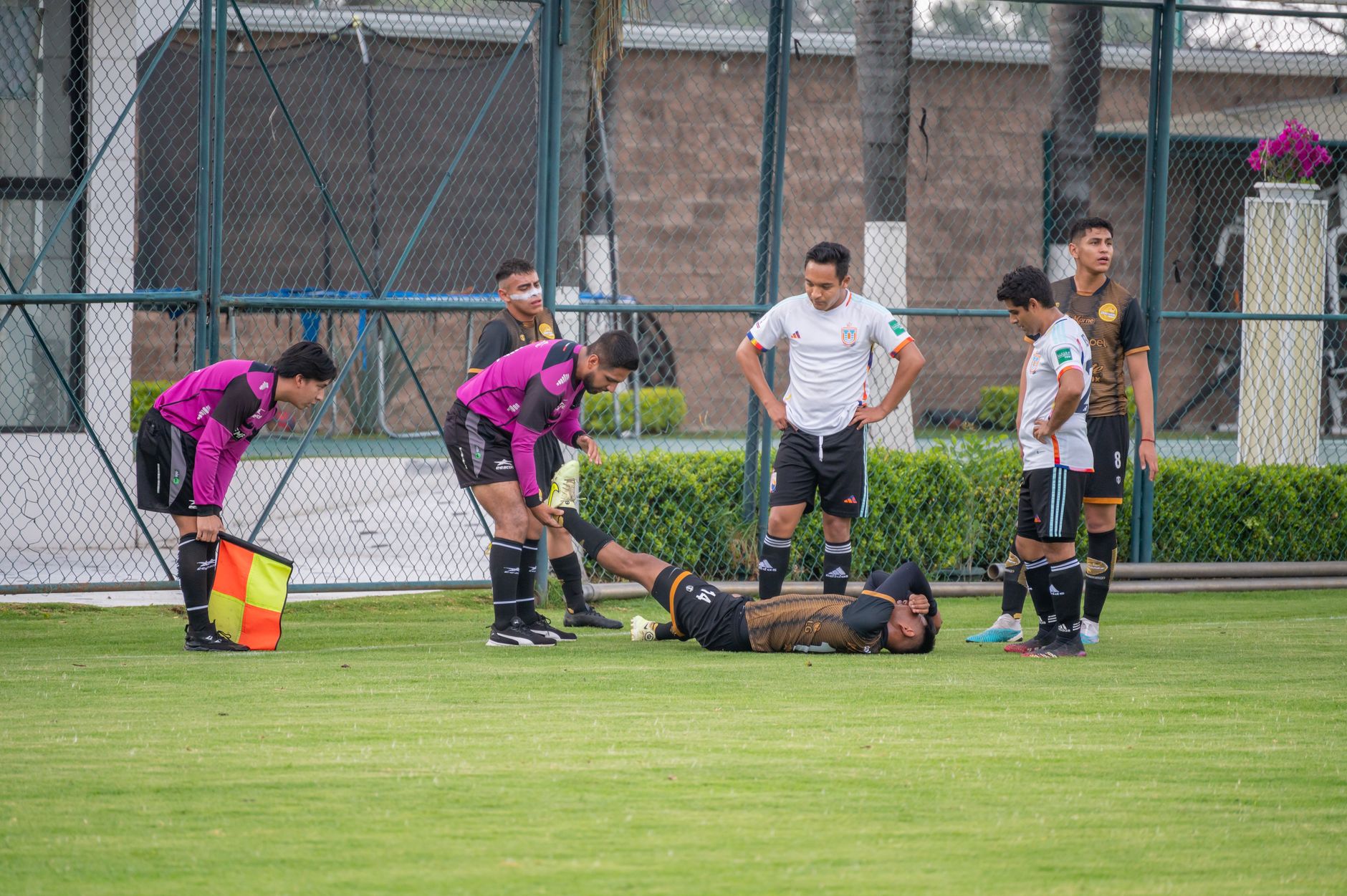
Canadian midfielder Ismaël Koné left the pitch on a stretcher during Canada’s World Cup match against Qatar this Thursday. The 2026 tournament standout appeared to suffer a significant lower-body injury late in the second half. While medical staff attended to him, cameras captured Koné inhaling from a small, bright green device. This visual immediately sparked widespread curiosity among viewers and sports commentators globally.
The device, commonly known as the “green whistle,” is a specialized tool for rapid pain management. This article explains the medical science behind the device and its role in modern sports medicine. You will also learn why it is preferred over traditional analgesics in high-stakes athletic environments.
- The green whistle is a portable inhaler used for fast-acting, non-opioid pain relief.
- It contains methoxyflurane, a medication that provides analgesia within minutes of inhalation.
- Medical teams use it to stabilize athletes during traumatic injuries before further clinical assessment.
What is the ‘green whistle’ used by Ismaël Koné?
The device is a Penthrox inhaler, a lightweight, single-use medical tool. It is designed to deliver a specific dose of methoxyflurane vapour. Patients hold the device themselves and breathe in the medication through the mouthpiece. This allows for self-administration based on the intensity of the pain.
Medical professionals often refer to it as the green whistle due to its distinct shape and colour. It has been a staple in Australian emergency medicine for several decades. Recently, its use has expanded significantly across international sports leagues and European healthcare systems. Canadian medical teams have also integrated it into their emergency protocols for major tournaments.
How does methoxyflurane provide rapid pain relief?
Methoxyflurane is a volatile anaesthetic agent administered at low concentrations for analgesia. When inhaled, the vapour enters the lungs and quickly passes into the bloodstream. It then acts on the central nervous system to reduce the perception of pain. Unlike many other painkillers, it does not require an intravenous line.
The onset of relief typically occurs within six to ten breaths. This speed is critical during a high-profile match like the World Cup. It allows the medical team to move the athlete safely without causing additional distress. The effects are potent but dissipate relatively quickly once the patient stops inhaling.
Why do sports medics prefer this device over other treatments?
The primary advantage of the green whistle is its non-invasive nature. In a stadium environment, starting an IV drip is difficult and time-consuming. The whistle provides an immediate bridge between the injury and the hospital. It also lacks the heavy sedative effects associated with many strong opioids.
Athletes remain conscious and able to communicate with the medical staff. This is vital for assessing the severity of the injury, such as checking for nerve damage or cognitive function. Furthermore, the medication has a strong safety profile when used in controlled, emergency settings. It does not typically interfere with the initial diagnostic tests performed in the locker room.
Is the medication safe for professional athletes?
Regulatory bodies have strictly evaluated the use of methoxyflurane in emergency settings. In Canada, health authorities have approved its use for the relief of moderate to severe pain in adult patients with trauma. You can find detailed clinical data in the Health Canada Drug Product Database regarding the approved applications of various analgesics. The medication is not considered a performance-enhancing substance under standard anti-doping regulations.
Medical teams monitor the dosage closely during use. The device includes a charcoal filter to prevent the exhaled vapour from affecting the staff or nearby players. This makes it a practical choice for use on the sidelines or inside a crowded ambulance. It provides a controlled, localized solution to a high-stress medical situation.
What are the implications for Koné and the Canadian team?
The sight of an athlete using the green whistle usually indicates a high level of acute pain. For Ismaël Koné, the immediate goal was stabilization. The medical staff used the device to manage his distress during the exit from the pitch. This allows for a more comfortable transition to the imaging and diagnostic phase of his care.
The 2026 World Cup schedule is notoriously demanding on players. Rapid pain management is the first step in a much longer recovery process. By reducing the initial physiological stress of the injury, medical teams may help the body begin the healing process sooner. Fans now await an official update on the midfielder’s status following his hospital evaluation.
The use of the green whistle on such a massive stage highlights the evolution of pitch-side care. It demonstrates a shift toward patient-controlled, fast-acting interventions that prioritize athlete comfort. As the tournament continues, the focus remains on the health and safety of the competitors under intense physical pressure. This incident serves as a clear example of how modern medical technology supports athletes during their most vulnerable moments on the field.


