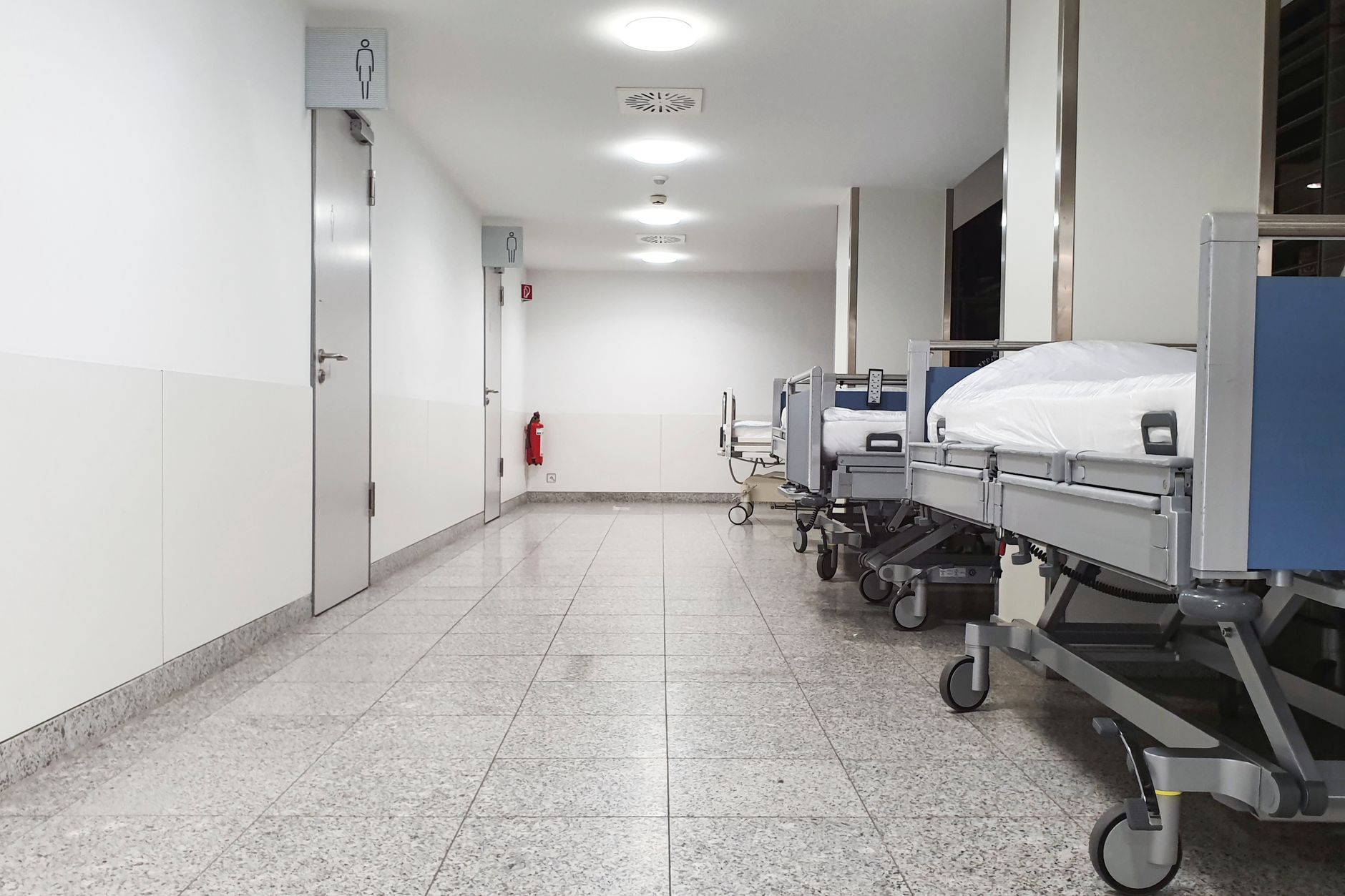
Hundreds of thousands of sick and injured Canadians are enduring excessively long waits in emergency departments across the country, often for 48 hours or more, before securing an inpatient bed. This concerning trend, extensively documented in a recent report, highlights a critical strain on Canada’s healthcare system, posing significant risks to patient safety and well-being. The issue of prolonged emergency department wait times Canada is not merely an inconvenience; it represents a systemic challenge that can lead to adverse health outcomes and increased mortality.
- Nearly 200,000 emergency patients experienced waits exceeding 48 hours for a hospital bed last year.
- These extended delays are directly linked to bed scarcity and contribute to poorer patient outcomes.
- The crisis is driven by factors including healthcare worker shortages, an aging population, and insufficient primary care access.
- Addressing the issue requires comprehensive strategies focusing on patient flow, increased capacity, and community care integration.
The Escalating Crisis of Hallway Medicine
The latest findings reveal a healthcare system under immense pressure. In 2025, a staggering number of individuals spent two days or longer in emergency department waiting areas, often on stretchers or in chairs, awaiting admission to an inpatient unit. This phenomenon, widely known as “hallway medicine,” underscores a critical shortage of available hospital beds and a bottleneck in patient flow from emergency to ward care.
The problem has been intensifying over recent years, exacerbated by an aging demographic and persistent staffing shortages across various healthcare professions. Many facilities report operating consistently at or above 100% capacity, leaving little to no room for unexpected surges in patient demand.
What Drives Extended Emergency Department Wait Times?
Several interconnected factors contribute to the protracted waits experienced by Canadians in emergency rooms. A primary driver is the pervasive shortage of hospital beds. This scarcity often results from a lack of capacity in other parts of the healthcare system, such as long-term care facilities and home care services.
When patients who no longer require acute hospital care cannot be discharged to appropriate community settings, they occupy valuable inpatient beds. This creates a backlog, preventing emergency patients from moving out of the department. Furthermore, an ongoing shortage of nurses, physicians, and allied health professionals limits the ability to staff additional beds or adequately manage patient volumes.
The absence of accessible primary care is another significant contributor. Patients without a family doctor or timely access to clinics frequently turn to emergency departments for non-urgent conditions, further burdening an already strained system. This influx of less critical cases diverts resources from those with life-threatening emergencies.
How Do Prolonged ER Waits Affect Patient Outcomes?
The consequences of extended emergency department stays are severe and well-documented. Research consistently indicates that longer wait times are associated with an increased risk of adverse events, including infections, medication errors, and delays in critical diagnoses and treatments. For vulnerable populations, such as the elderly or those with complex chronic conditions, these delays can be particularly detrimental.
Patients forced to wait in unconventional spaces, like hallways, often experience a decline in privacy and dignity. This environment can also hinder proper medical assessment and monitoring, potentially leading to missed or delayed interventions. The mental toll on patients and their families, enduring hours or days of uncertainty and discomfort, is also considerable.
Evidence and Expert Perspectives
Recent data underscores the gravity of the situation. The report detailing nearly 200,000 Canadians waiting 48 hours or more for a bed in 2025 provides a stark measure of the crisis. Health policy experts consistently point to the need for a more integrated approach to healthcare delivery. Dr. Anya Sharma, a prominent Canadian health systems researcher, recently stated, “Our emergency departments are the canary in the coal mine, reflecting systemic failures across the entire health continuum.”
Data from the Canadian Institute for Health Information (CIHI) on emergency department performance and hospital capacity frequently highlights the growing pressure points within provincial health networks. These figures often reveal how factors like seasonal flu outbreaks or localized staffing shortages can quickly push already stressed departments past their breaking point.
What Solutions Are Being Explored to Alleviate ER Congestion?
Addressing the crisis of emergency department wait times requires multi-faceted and sustained interventions. Provinces are exploring various strategies, including enhancing patient flow initiatives within hospitals to expedite discharges and transfers to appropriate care settings. This involves better coordination between emergency, inpatient, and community care teams.
Increasing bed capacity, both acute and transitional, is another critical area of focus. This may involve constructing new facilities, repurposing existing spaces, or investing in virtual care models to manage less severe cases remotely. Bolstering the healthcare workforce through recruitment, retention, and training programs is also paramount to ensure adequate staffing levels.
Furthermore, strengthening primary care access is essential to divert non-urgent cases from emergency departments. Initiatives such as expanding walk-in clinics, increasing the number of family physicians, and improving access to telehealth services can reduce the reliance on emergency rooms as a first point of contact for routine health concerns.
Implications for Canada’s Healthcare Future
The ongoing challenge of prolonged emergency department wait times carries significant implications for the future of Canadian healthcare. It erodes public trust, strains healthcare professionals to their limits, and ultimately compromises patient safety. Without substantial and coordinated efforts, the system risks becoming increasingly unsustainable.
Policymakers and healthcare leaders must prioritize systemic reforms that improve patient flow, expand capacity across all sectors of care, and invest in a robust and resilient healthcare workforce. The well-being of Canadians hinges on effective solutions that ensure timely access to appropriate medical attention when it is most needed.